Last updated November 23, 2026
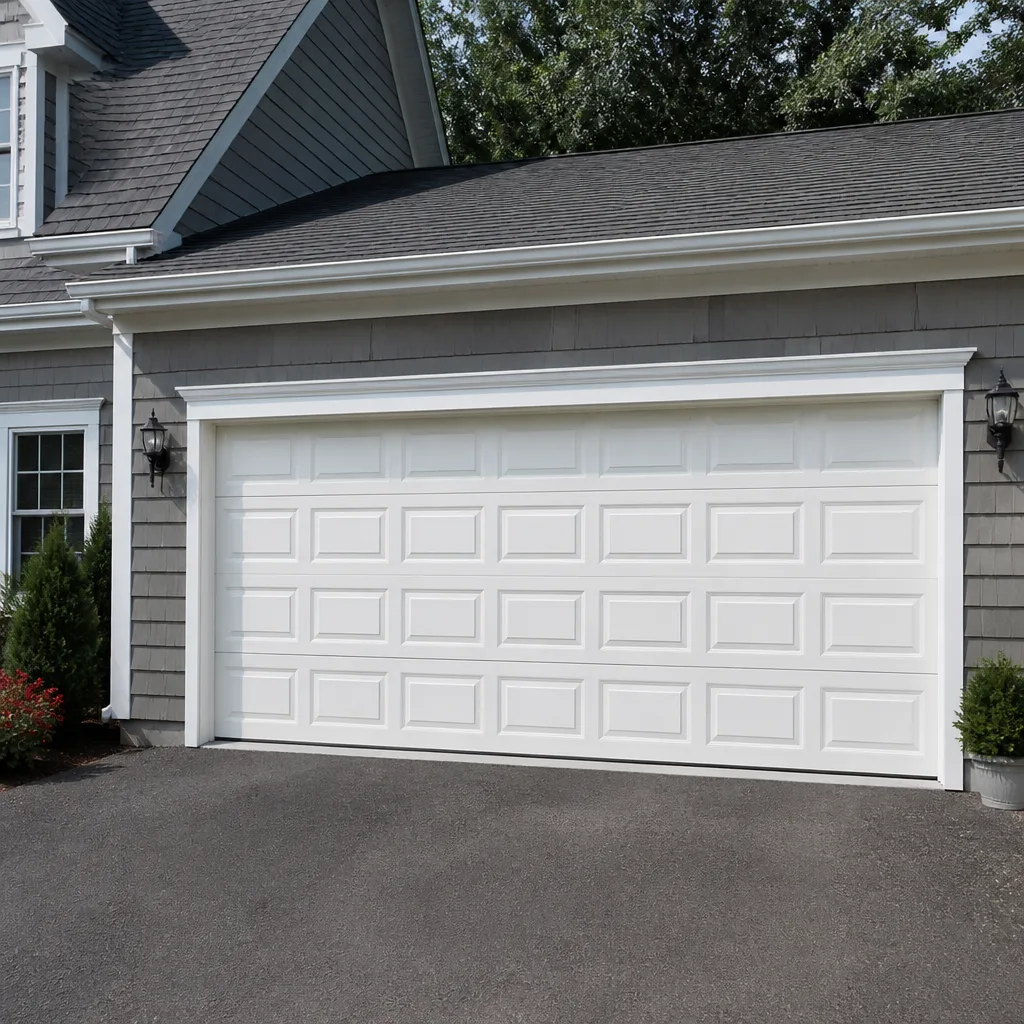 Raised-panel steel
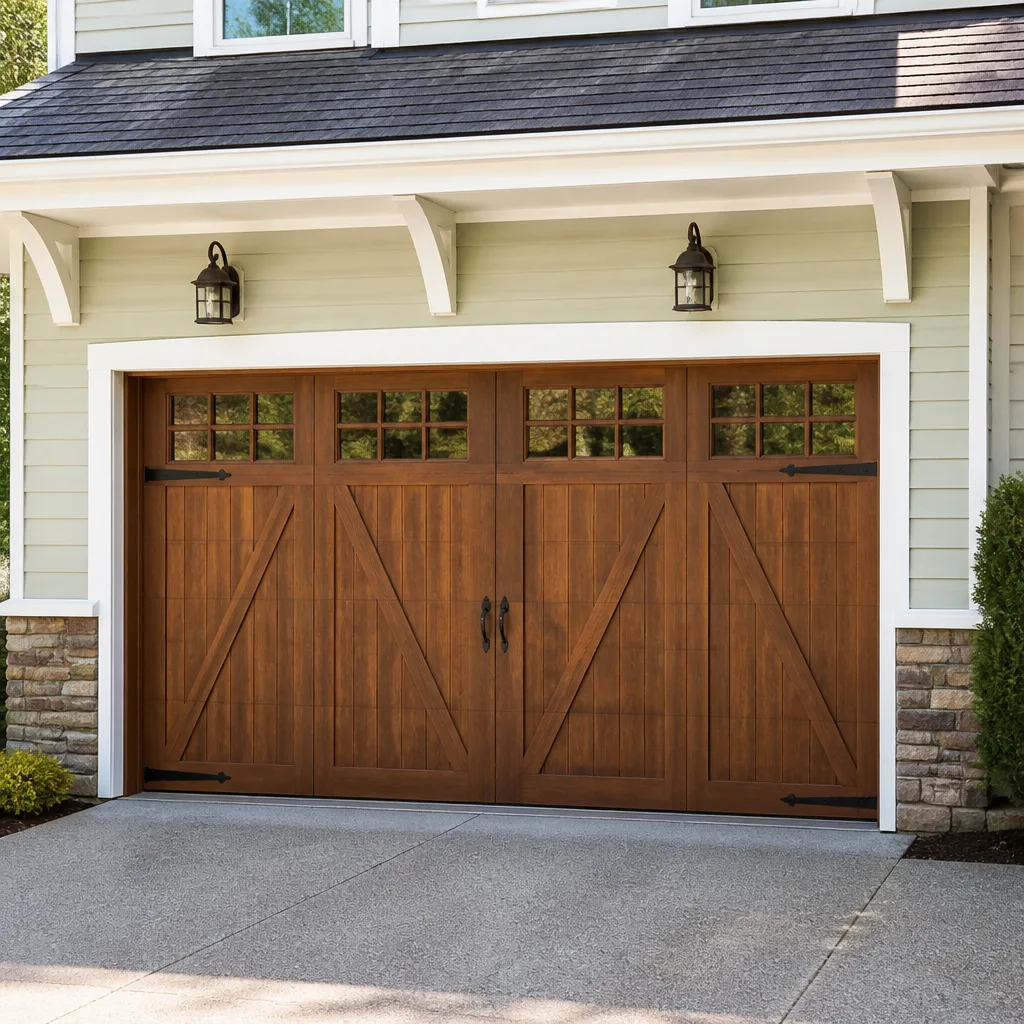 Carriage house
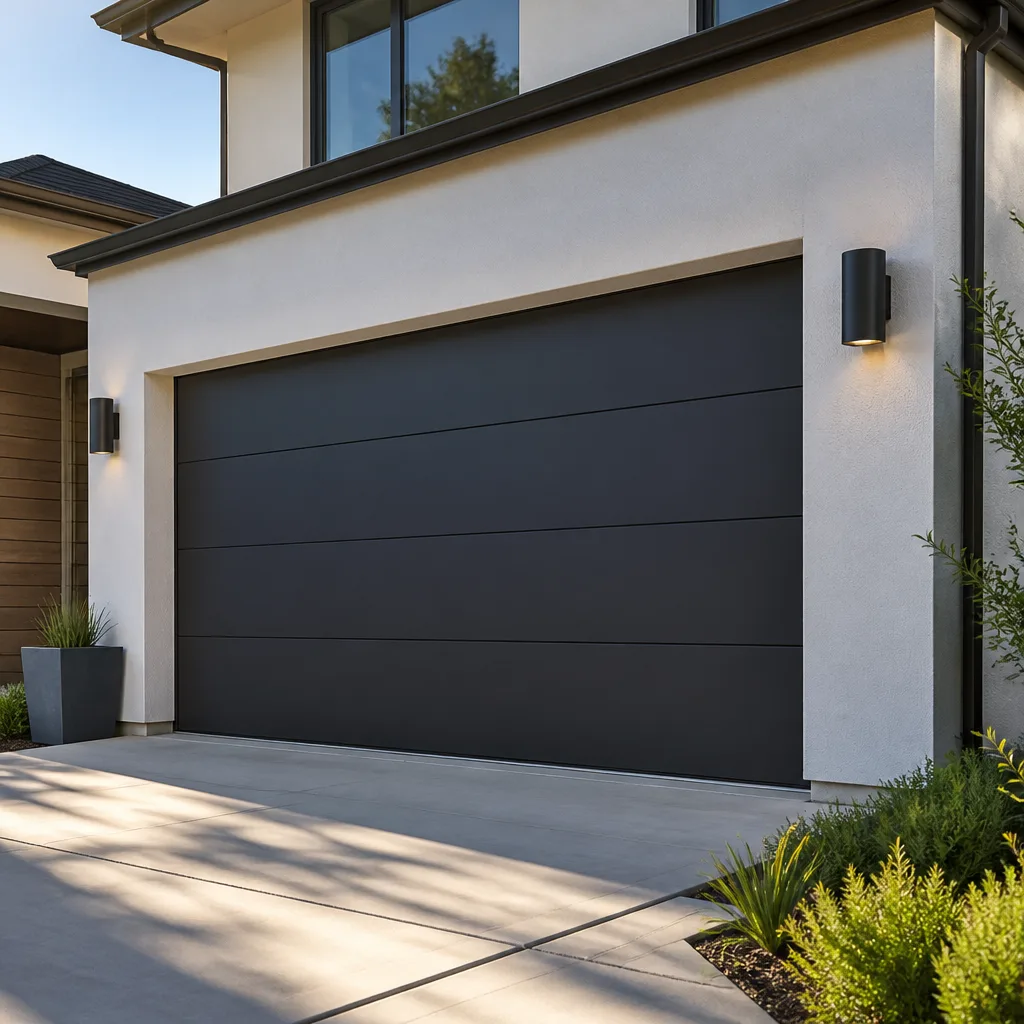 Modern flush
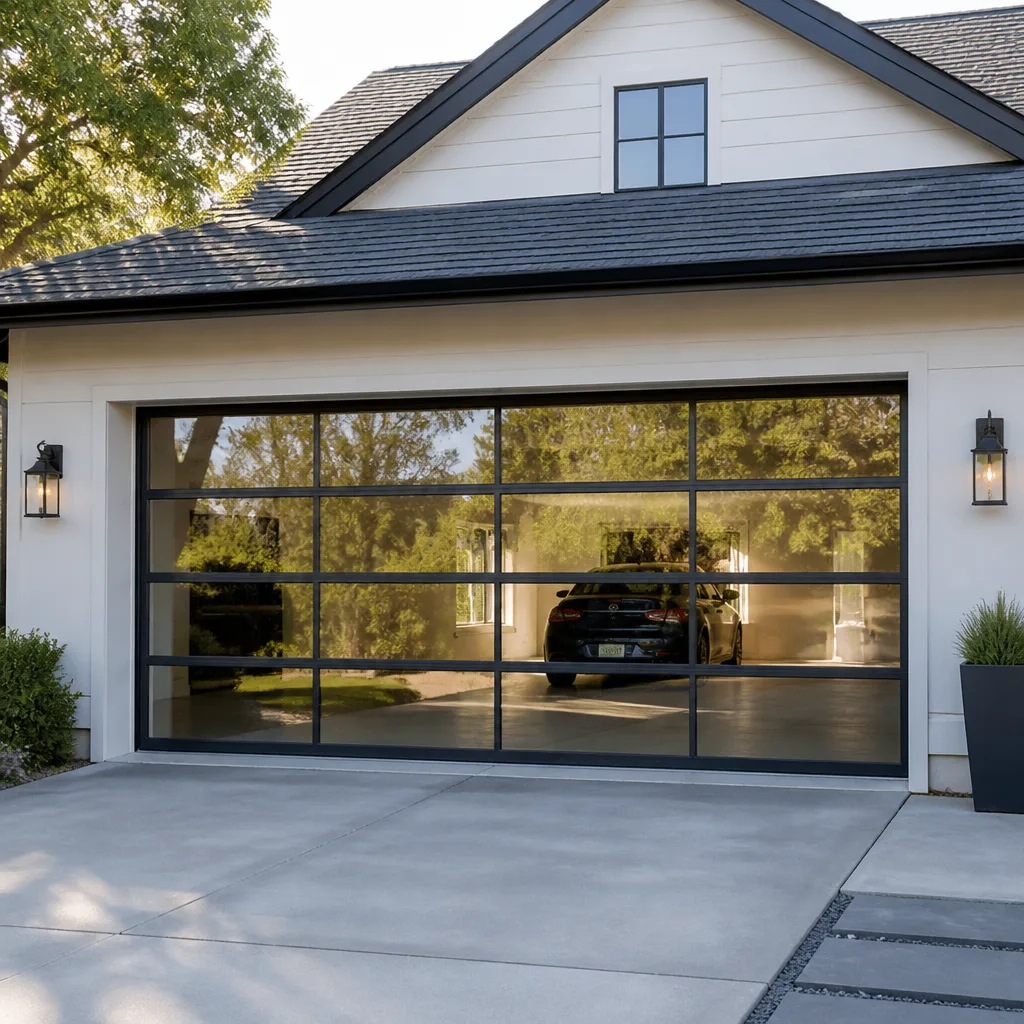 Full-view glass
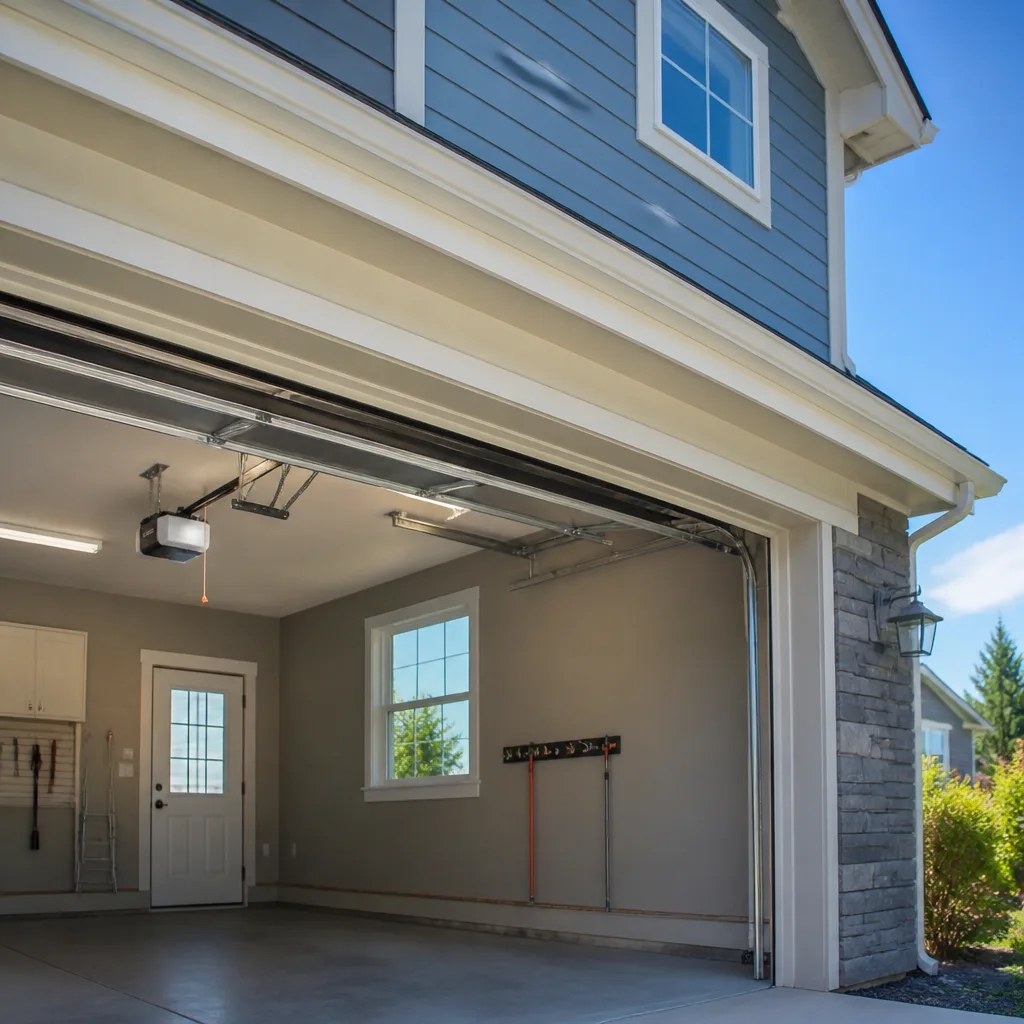 LiftMaster openers
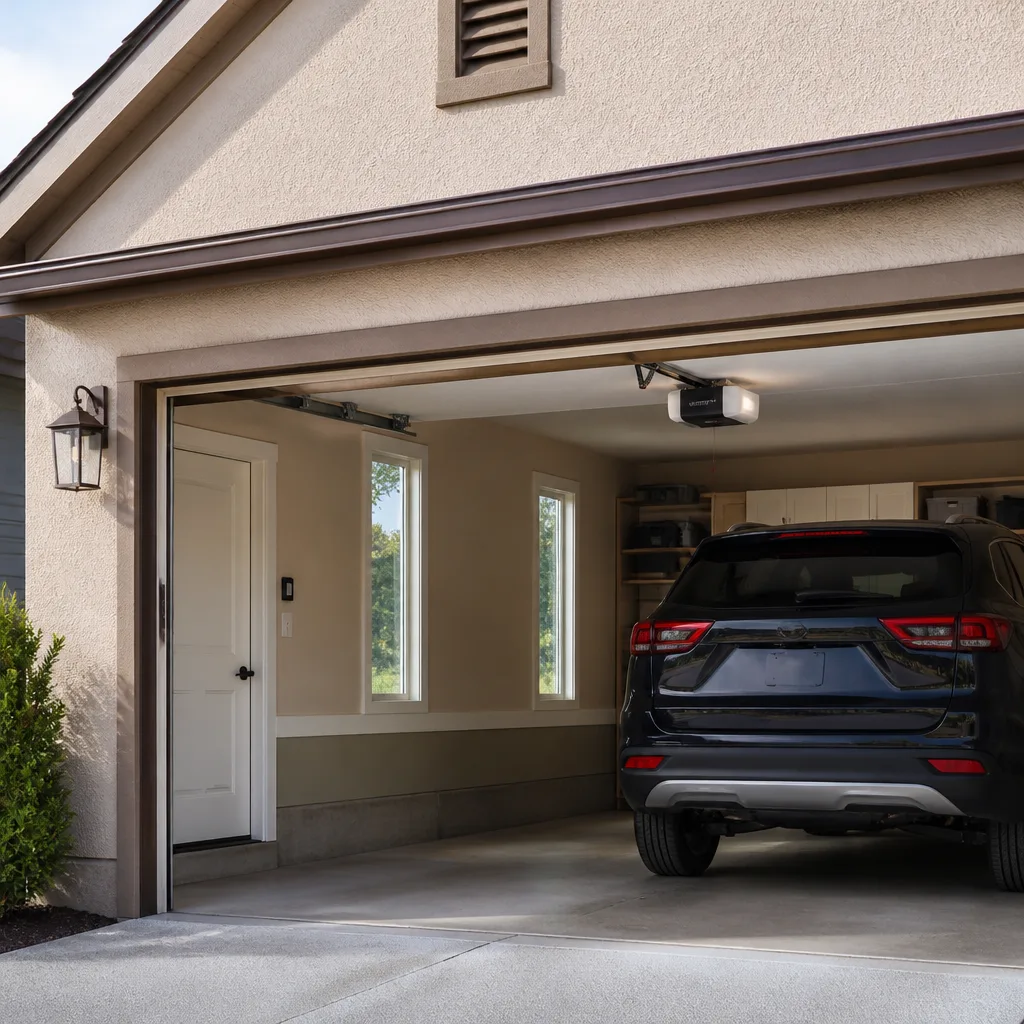 Chamberlain openers
Full 25-point door and opener safety check with every visit - springs, cables, rollers, tracks, and your LiftMaster or Chamberlain opener included
You get a price before we start. It does not change when the pro arrives.
Get your free estimateGarage Door Repair Maintenance Schedule: What to Do and When
Most garage door maintenance advice you’ll find online was written for a mild climate where temperatures stay above freezing and summer humidity does the only real damage. That advice doesn’t fit Tallyn’s Reach. This community sits at roughly 6,100 feet, and the combination of intense high-altitude sun, dry air, and sharp seasonal swings puts stresses on a garage door system that a once-a-year tune-up simply doesn’t address. Here, the schedule that actually protects your door is seasonal, and the fall prep is the one most homeowners skip and later regret. Below is a month-by-month maintenance calendar built for how Tallyn’s Reach weather actually treats your door, openers, springs, and hardware.
Styles & brands we work with
- Raised-panel steel
- Carriage house
- Modern flush
- Full-view glass
- LiftMaster openers
- Chamberlain openers
Quick Answer
A garage door in Tallyn’s Reach needs attention at four points across the year: a spring check and lubrication in spring, hardware and roller inspection in summer, a thorough fall prep before the first freeze, and a winter listen-and-look after the cold sets in. Lubrication is the single most overlooked task, and the product you use should change with the season. An annual inspection is not enough at this elevation – a seasonal schedule catches the wear that leads to most cold-weather breakdowns before it becomes an emergency.
Table of Contents
- Why Once-a-Year Maintenance Doesn’t Fit Tallyn’s Reach
- The Month-by-Month Maintenance Calendar
- Spring vs. Fall Lubrication: Two Different Products
- The Hardware Torque Checks That Prevent Mid-Winter Calls
- The Half-Open Test: Documenting Spring Tension Yourself
- What You Should Handle vs. What Needs a Professional
- How Tallyn’s Reach Weather Stresses a Door System
- Common Mistakes to Avoid
- When to Call a Professional
- Frequently Asked Questions
Why Once-a-Year Maintenance Doesn’t Fit Tallyn’s Reach
The “service your door once a year” rule of thumb comes from places where the seasons are gentle and the sun isn’t relentless. Tallyn’s Reach gets around 300 days of sunshine a year, and that sun does something specific: it bakes the lubricant out of your door’s moving parts. By August, a petroleum-based grease that felt fine in March can be thinned to almost nothing, leaving rollers, hinges, and bearings running metal-on-metal. By the time winter arrives, that hardware is already dry, and cold weather finishes the job.
Elevation matters too. At 6,100 feet, the ultraviolet intensity is higher than at sea level, so anything exposed on the south or west face of a garage takes more UV wear. The freeze-thaw cycle between day and night is wide, and that constant expansion and contraction works on lag bolts and brackets in a way a stable climate never does. A door that would coast through a single annual checkup in a mild region is being asked to handle a much harsher cycle here.
That’s the reason a seasonal schedule beats an annual one in Tallyn’s Reach. It isn’t about doing more work – it’s about doing the right work at the right time, so the fall prep is finished before the first hard freeze and the hardware stays tight through the cold months when a failure is both more likely and more inconvenient.
What a seasonal schedule buys you
- Lubricant that stays effective instead of thinning out by late summer.
- Hardware that gets re-torqued before the freeze-thaw cycle loosens it further.
- Spring imbalance caught early, while it’s still a maintenance item rather than a repair.
- Fewer cold-morning surprises, which is the whole point of maintenance.
The Month-by-Month Maintenance Calendar
Here’s the seasonal calendar we walk homeowners through. You don’t have to do every task on the exact month listed – the point is the rhythm and the sequence. Think of it as four checkpoints spread across the year rather than one big push.
- March to April (spring check): Wipe down hinges and rollers, apply a fresh spring-formulation lubricant, test the balance of the door by hand, and listen for grinding during a full open-close cycle. Spring is when you undo the winter’s wear.
- June to July (summer hardware check): Check lag bolts at the wall brackets, inspect roller brackets for looseness, confirm the door tracks are plumb, and test the safety reverse and photo-eye safety sensors. This is also when you note that the lubricant you applied in spring is starting to thin.
- September to October (fall prep – the critical one): Clean and re-lubricate everything with a low-temperature silicone formula, tighten all accessible hardware, check the torsion spring set screws, and confirm the weather seal at the bottom of the door is still intact before the cold.
- December to January (winter listen): Do a slow open-close and listen for pops, squeals, or grinding. If you hear something new, get it looked at before the deeper cold sets in.
That fall checkpoint is the one that prevents the most calls. A dry, loose, un-lubricated door going into a Tallyn’s Reach winter is the setup for a spring failure or a stuck door on the coldest morning of the year. Anyone who has done the seasonal rhythm has fewer of those mornings.
If a failure does happen despite your best efforts, that’s where a solid Garage Door Repair Tallyn’s Reach team makes a difference. Spring repair is a dedicated service for us, which matters because the spring is exactly the component the fall prep is trying to protect.
Spring vs. Fall Lubrication: Two Different Products
Here’s the detail most maintenance articles leave out: the lubricant you should use in spring and the lubricant you should use in fall are not the same product. In mild climates people use one grease year-round. In Tallyn’s Reach, using a petroleum-based grease in October is the wrong move, and using a heavy cold-weather silicone in June is wasteful.
Through the spring and summer, a lighter petroleum-based lubricant works well because the heat keeps it thin and moving. The problem is the sun. By late summer, that same heat and UV exposure breaks down petroleum lubricants faster than most people expect, and the moving parts dry out just as the door needs them most going into fall. So use the lighter lubricant early in the year, and switch to a low-temperature silicone formula before the cold arrives. Silicone holds up in freezing conditions, doesn’t gum up, and doesn’t attract grit.
Which product, when
- Spring: A petroleum-based lubricant on hinges, rollers, and bearings; this carries you through the warm months.
- Fall: A low-temperature silicone formula on the same points; this is what stays functional through a Tallyn’s Reach winter.
- Never: A heavy grease that thickens in the cold, or WD-40 as a substitute for proper lubricant – it drives out moisture but doesn’t provide the lasting protection a moving part needs.
It sounds like a small distinction, and on a mild-climate door it would be. On a door that has to open on a sub-freezing Tallyn’s Reach morning, the right lubricant at the right time is the difference between a smooth cycle and a strained one.
The Hardware Torque Checks That Prevent Mid-Winter Calls
If you’ve ever had a garage door call in the dead of winter, the cause was probably something that was already loose by October. Three specific hardware items loosen more than anything else on a Colorado garage door, and checking them before the cold sets in is what keeps them off the problem list.
- Lag bolt backing: The lag bolts that anchor the door’s track brackets and spring plate to the wall studs are what hold the whole system to the structure. The freeze-thaw cycle between warm days and cold nights loosens these gradually. Check each one by hand – if it wiggles, it needs attention before it backs out further.
- Roller bracket loosening: The brackets that hold the door’s rollers in place take the constant vibration of every open-close cycle. A loose roller bracket lets the door wobble in the track and wear the roller edge faster. A quick check with the door fully closed and again at half-open reveals both.
- Torsion spring set screw drift: The set screws on the torsion spring assembly are what hold the spring’s tension in place. They don’t loosen quickly, but they do drift, and a set screw that lets go is an emergency. Check that they’re snug – don’t try to re-tension the spring to “fix” anything; that’s a pro job, and the safety reason is below.
For a garage door opener repair call, these same checks matter because a door that’s fighting loose hardware puts extra strain on the opener’s drive system. A Craftsman or Genie opener that’s working harder than it should will show wear sooner, so keeping the door itself tight protects the opener too.
The Half-Open Test: Documenting Spring Tension Yourself
The half-open test is how you catch gradual spring imbalance before it becomes a broken spring. It’s safe for a homeowner to perform because you’re not touching the spring – you’re just letting the door tell you how it’s feeling. Do it with the opener disconnected from the door, in a clear space, with nothing and no one under the door.
- Disconnect the opener’s emergency release so the door moves freely by hand.
- Lift the door to about halfway up, then let go gently.
- A balanced door will hold roughly where you stopped it, drifting only slightly. A door that drops hard or feels heavy to lift means the springs are losing tension.
- Write down what you found and when – a simple note on the inside of the garage door frame is enough. The point is to compare month over month, not just once.
- Reconnect the opener afterward, and run a full cycle to confirm normal operation.
Documenting the result is what turns a random check into a maintenance schedule. A door that held perfectly in April and now sags noticeably in October is telling you something, and that early signal is exactly how you avoid a snapped spring. If the imbalance gets worse between checks, get it looked at. A spring that’s lost tension doesn’t recover on its own.
Raynor, Wayne Dalton, and the other major brands all respond the same way to tension loss – the door gets heavy and the machine has to work harder. Once a door reaches replacement, our garage door installation handles the full job, but the maintenance schedule is what keeps it from getting there early.
What You Should Handle vs. What Needs a Professional
Knowing the boundary is the most important part of any garage door maintenance schedule. The safe, homeowner tasks are the ones that don’t involve stored energy or high tension. The rest belongs to a trained professional, and the reason is simple: the torsion spring and the door’s cables hold a substantial amount of stored force, and the consequences of getting it wrong are serious.
Safe for homeowners
- Lubricating hinges, rollers, and bearings (spring and fall).
- Tightening the lag bolts and roller brackets you can reach by hand with a socket set.
- Performing the half-open balance test and recording the result.
- Testing the opener’s safety reverse and photo-eye sensors.
- Checking the weather seal at the bottom of the door.
- Cleaning the tracks with a rag and checking that they’re clear.
Requires a professional
- Any work on the torsion spring or the extension springs. The stored energy can cause severe injury, and replacing or re-tensioning a spring should only be done by someone trained to handle it.
- Adjusting or re-tensioning the door’s cables. A cable under load can snap suddenly and dangerously.
- Replacing a spring or a broken cable, regardless of the door’s brand.
- Realigning a door that has come off its tracks, especially if it’s stuck in an open or partially open position.
- Opening the opener’s housing for motor or drive repairs, or any work that involves the electrical connection.
Spring failures, in particular, are urgent and dangerous. We treat them that way. If you notice a snapped spring – the door suddenly won’t lift, or there’s a loud pop and the door hangs heavy – don’t try to open it. Call us and keep your hands off the spring. The rest of the schedule, though, is well within reach for most homeowners.
How Tallyn’s Reach Weather Stresses a Door System
It’s worth understanding what the local climate is actually doing to your door, because it explains why the schedule looks the way it does. Three forces are at work in Tallyn’s Reach, and each one targets a different part of the system.
Sun and UV. The roughly 300 days of annual sunshine at this elevation means the door’s finish and its seals take a steady UV beating. The rubber seal at the bottom of the door degrades faster in this sun than it would in a cloudier climate, and that seal is what keeps weather out of the garage. Check it every fall, and expect to replace it more often here than the national average.
Dry air and temperature swings. The gap between warm afternoons and cold nights works the hardware constantly. Wood components – the door panels, the frame – expand and contract, which is why lag bolts back out and brackets loosen. This is the force that makes the torque checks in fall so important. It’s also why a tight, well-lubricated door lasts longer here.
Cold. Freezing mornings stiffen everything. Lubricant that’s the wrong formulation thickens, metal contracts slightly, and the door runs heavier. A door that was already misfiring in October feels dramatically worse in January. That’s the chain of events the fall prep breaks.
If you’ve ever wondered why a neighbor’s door suddenly stopped working in the middle of winter while yours kept going, the seasonal prep is usually the answer. It’s not that the door was better built; it was better maintained.
Opener choice matters too. A LiftMaster or Chamberlain opener with smart features tends to have clearer fault reporting when something strains, which makes diagnosing a problem faster. But no opener compensates for a door that’s dry and loose – the opener just works harder and wears out sooner.
Common Mistakes to Avoid
- Waiting for the annual reminder instead of the seasonal rhythm. In Tallyn’s Reach, the classic “once a year” tune-up misses the fall window entirely, which is the window that matters most. Set your own reminders by season, not by anniversary.
- Using the same lubricant year-round. A petroleum grease that’s perfect in May thins out by August and gets stiff in January. Switch to a low-temperature silicone formula before the cold, and expect to re-lubricate more often than a mild-climate guide suggests.
- Skipping the half-open test because the door “seems fine.” A gradual loss of spring tension is invisible in normal daily use. The test is what makes it visible, and documenting it month over month is the whole point.
- Not checking hardware before the first freeze. A lag bolt that’s slightly loose in September is a real problem in December. The fall torque check prevents more mid-winter calls than any other single task.
- Tightening or adjusting the torsion spring yourself. This is the boundary most homeowners cross when they shouldn’t. Stored spring energy can cause serious injury; leave spring and cable work to a professional.
- Ignoring the weather seal until it fails. The seal at the bottom of the door takes more UV here than in most climates, and a worn seal lets weather into the garage. Check it every fall and replace it when it’s cracking.
- Assuming a broken door means a full replacement. Many failures are repair-only – a spring, a roller, an opener part. The door itself is usually fine, and the schedule is what keeps it that way.
When to Call a Professional
Some failures are maintenance items, and some are emergencies. Call us for any of the following: a snapped or sagging spring, a door that won’t lift or hangs heavy, a door that’s come off its tracks or is stuck open, a cable that looks slack or frayed, grinding or popping from inside the opener housing, or a door that reverses or won’t close. Any of these can be hazardous to diagnose on your own, and spring failures especially should never be handled by anyone untrained. Our technicians have up to 8 years of experience with LiftMaster, Chamberlain, Genie, Clopay, Amarr, Wayne Dalton, Craftsman, and Raynor systems, so whether you have a newer smart opener or a legacy Craftsman, we know the system. Garage Door Repair Tallyn’s Reach offers free estimates in Tallyn’s Reach – call (888) 847-8567. For routine repair and troubleshooting, we work to book you quickly, and the written estimate is agreed before any work starts.
Frequently Asked Questions
Four times a year, at the seasons: a spring check, a summer hardware check, a fall prep before the first freeze, and a winter listen. An annual tune-up is not enough at this elevation because the sun and freeze-thaw cycle stress the system in ways a mild climate doesn’t. The fall check in particular is the one that prevents the most cold-weather calls.
You can and should handle the lubrication yourself – it’s one of the safest maintenance tasks on the door. Use a petroleum-based lubricant in spring and a low-temperature silicone formula in fall, applied to hinges, rollers, and bearings. The only parts you should never touch are the torsion springs and cables, which hold stored energy. If you’re unsure which lubricant your door needs, call us at (888) 847-8567 and we’ll tell you.
It’s a balance check where you disconnect the opener and stop the door halfway to see if it holds. Do it every time you perform a seasonal check – four times a year – and write down the result. A door that starts sagging between checks is telling you the spring is losing tension, and catching that early is how you avoid a broken spring.
It’s maintenance, and in Tallyn’s Reach it’s worth checking every fall because the UV here degrades seals faster than in cloudier climates. A cracking or gapping seal lets weather into the garage; it’s an easy replacement when caught early. If the seal is torn apart and the doorframe is involved, that’s when it becomes a repair call.
Yes, as long as the door is fully closed and the opener is disconnected, and you stay away from the torsion spring assembly. Lag bolts at the wall brackets and roller brackets are safe to snug up by hand with a socket set. The set screws on the torsion spring should only be checked visually – don’t try to re-tension them. When in doubt, call us for a free estimate.
No. A broken spring means the door is unsupported and could drop or come off its tracks, so don’t try to open it. A spring failure is urgent regardless of the season, and getting it handled promptly matters. Call (888) 847-8567 – spring repair is a dedicated service for us, and we’ll give you a written estimate before any work starts.
The Bottom Line
The maintenance schedule that works in Tallyn’s Reach is seasonal, not annual. Lubricate in spring with a petroleum-based product and again in fall with a low-temperature silicone; check lag bolts, roller brackets, and torsion spring set screws before the freeze; run the half-open test every season and write down the result; and leave spring and cable work to a professional. That rhythm is what protects your door through the elevation, the sun, and the freeze-thaw cycle that a generic maintenance guide never accounts for. Do the seasonal prep, and the winter emergencies that fill so many schedules are the ones you’ll never make the call about.
Written by the team at Garage Door Repair Tallyn’s Reach.
See the difference
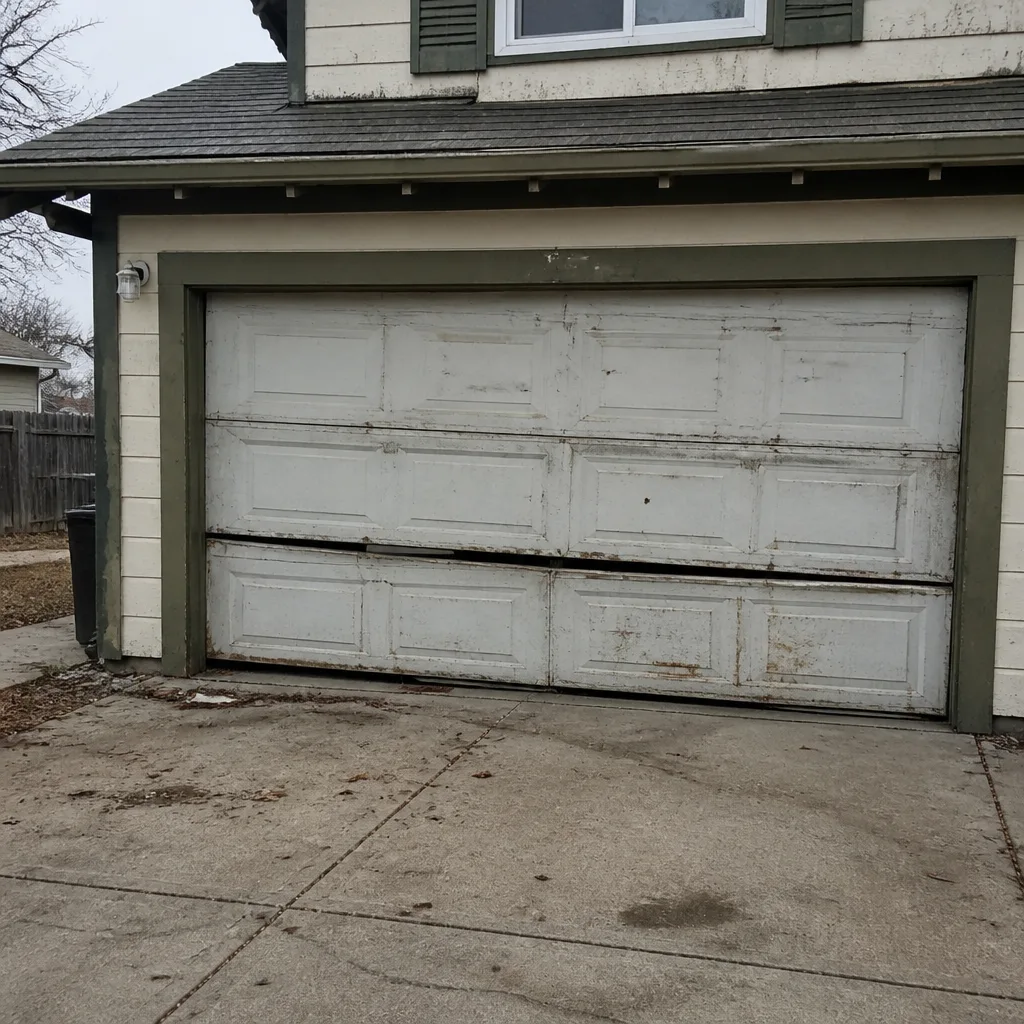 Before
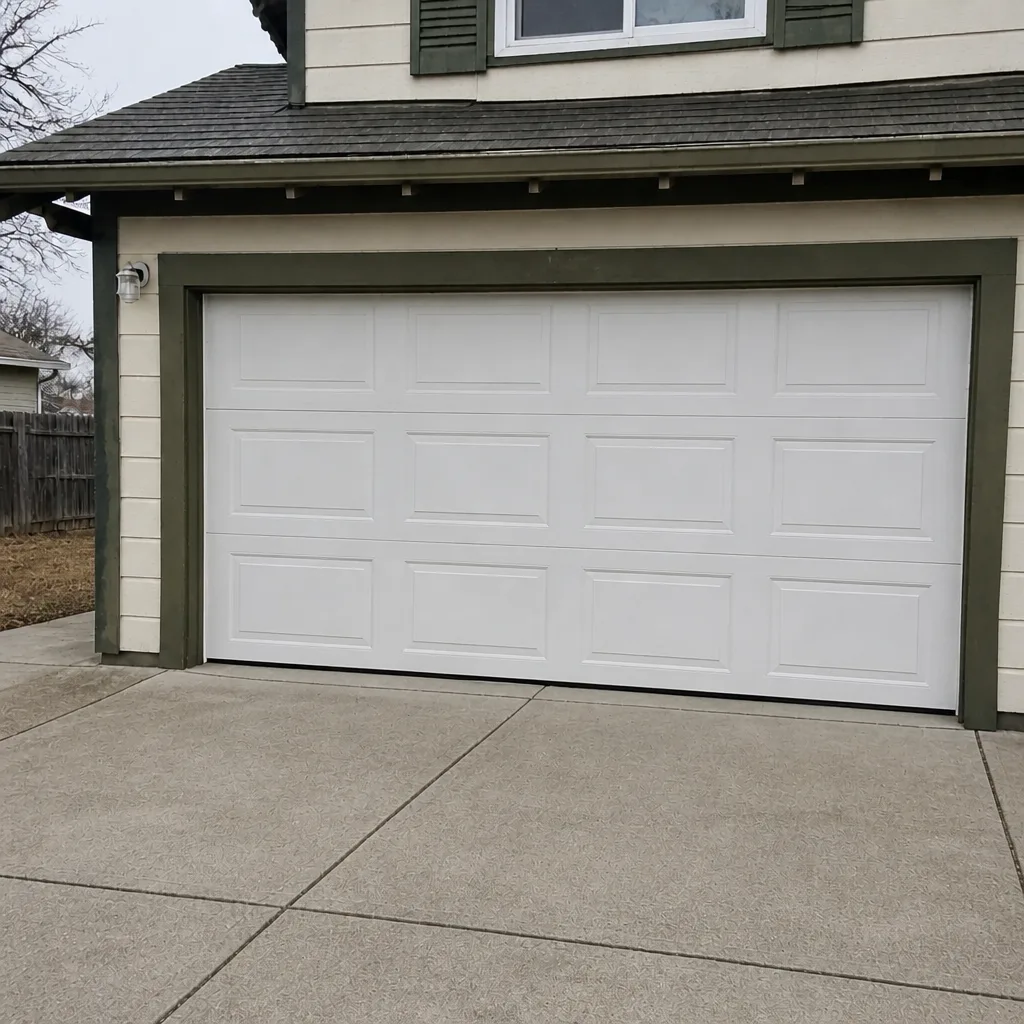 After
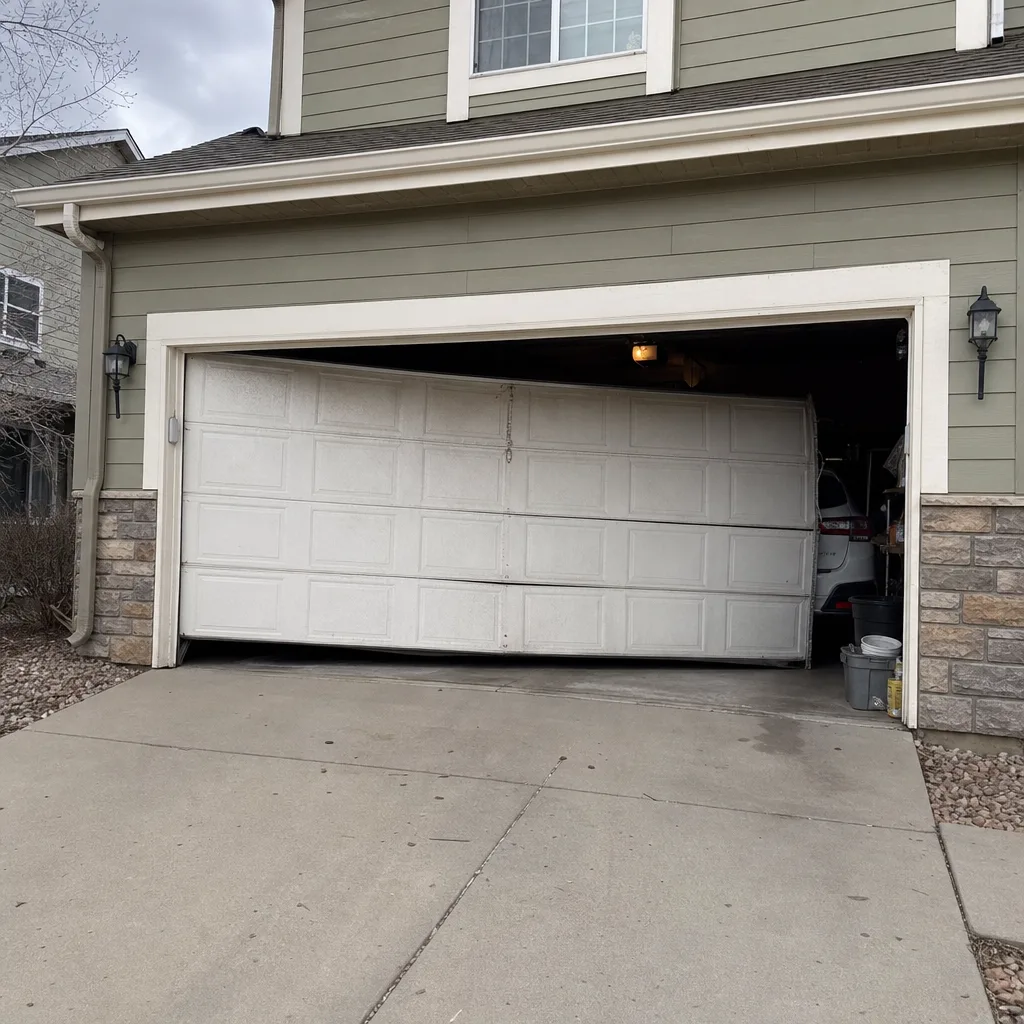 Before
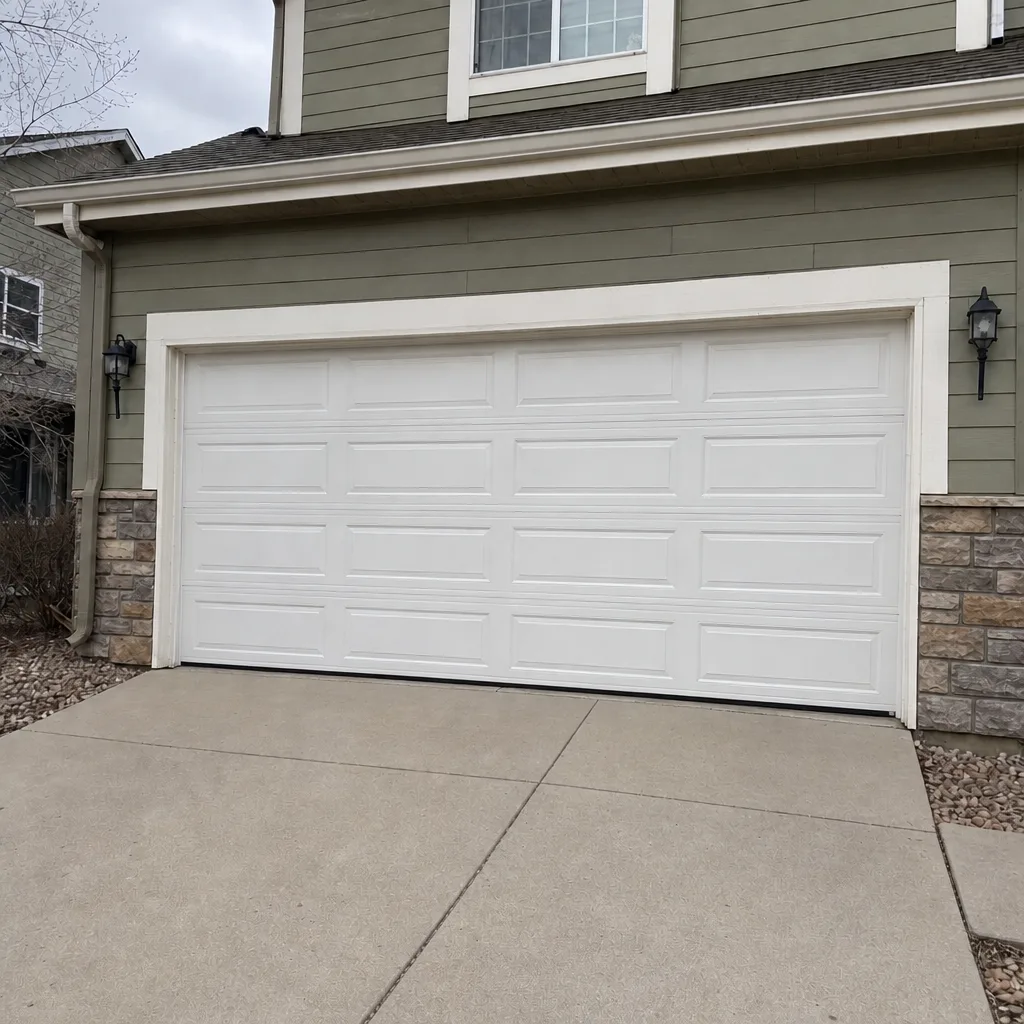 After
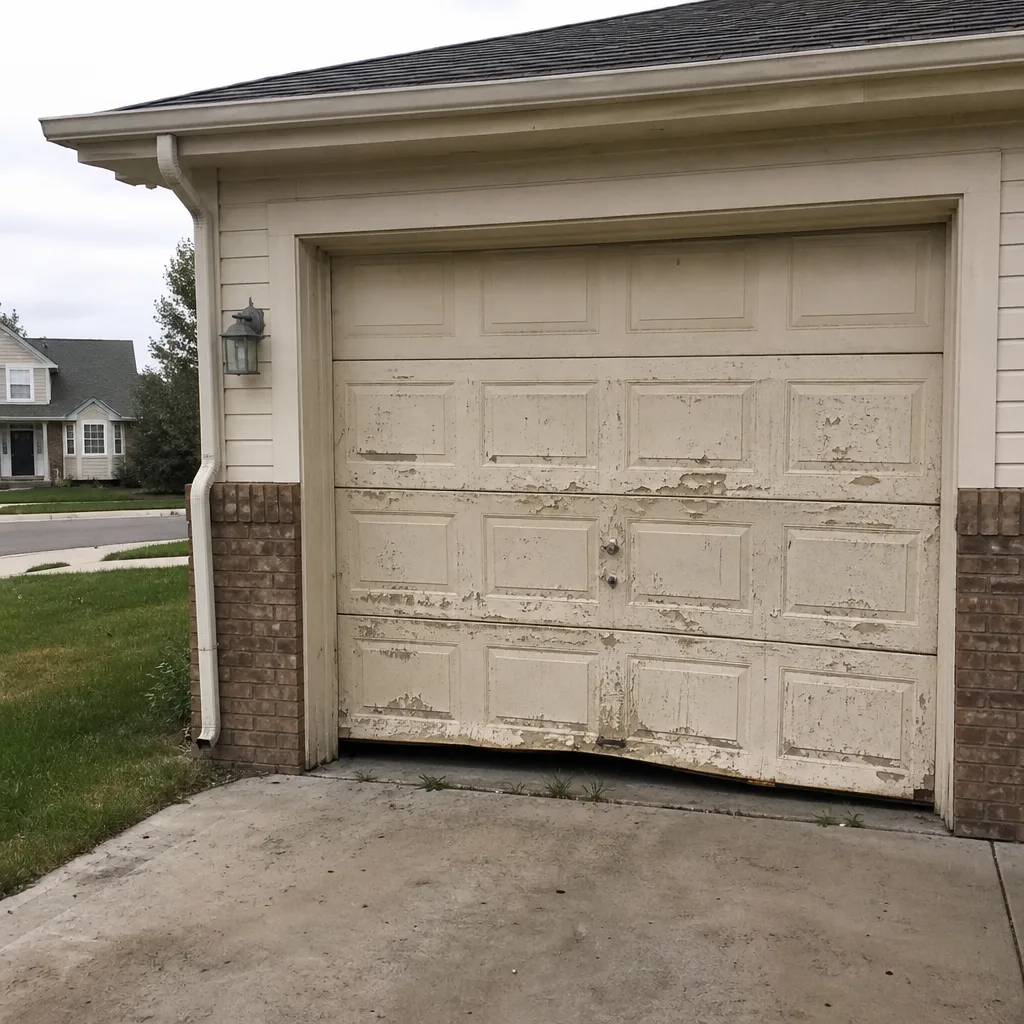 Before
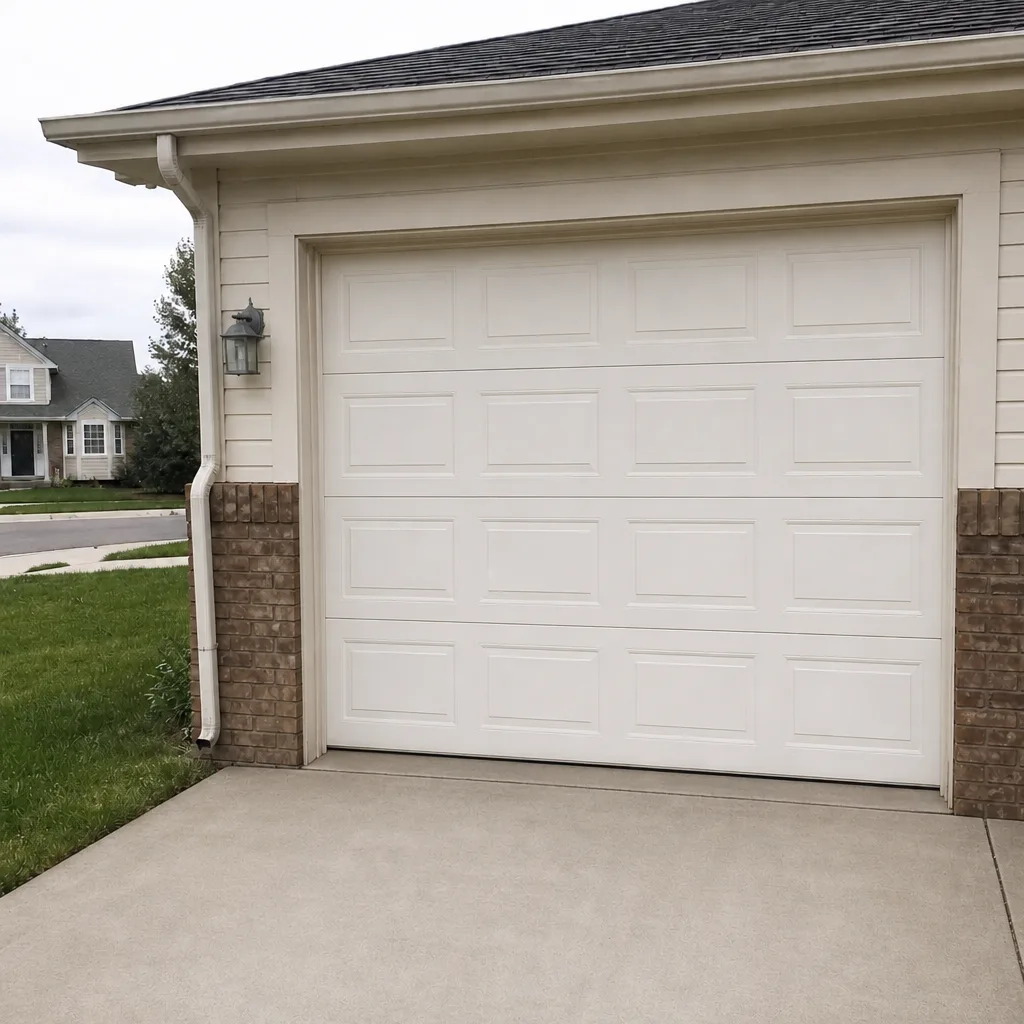 After