Last updated November 23, 2026
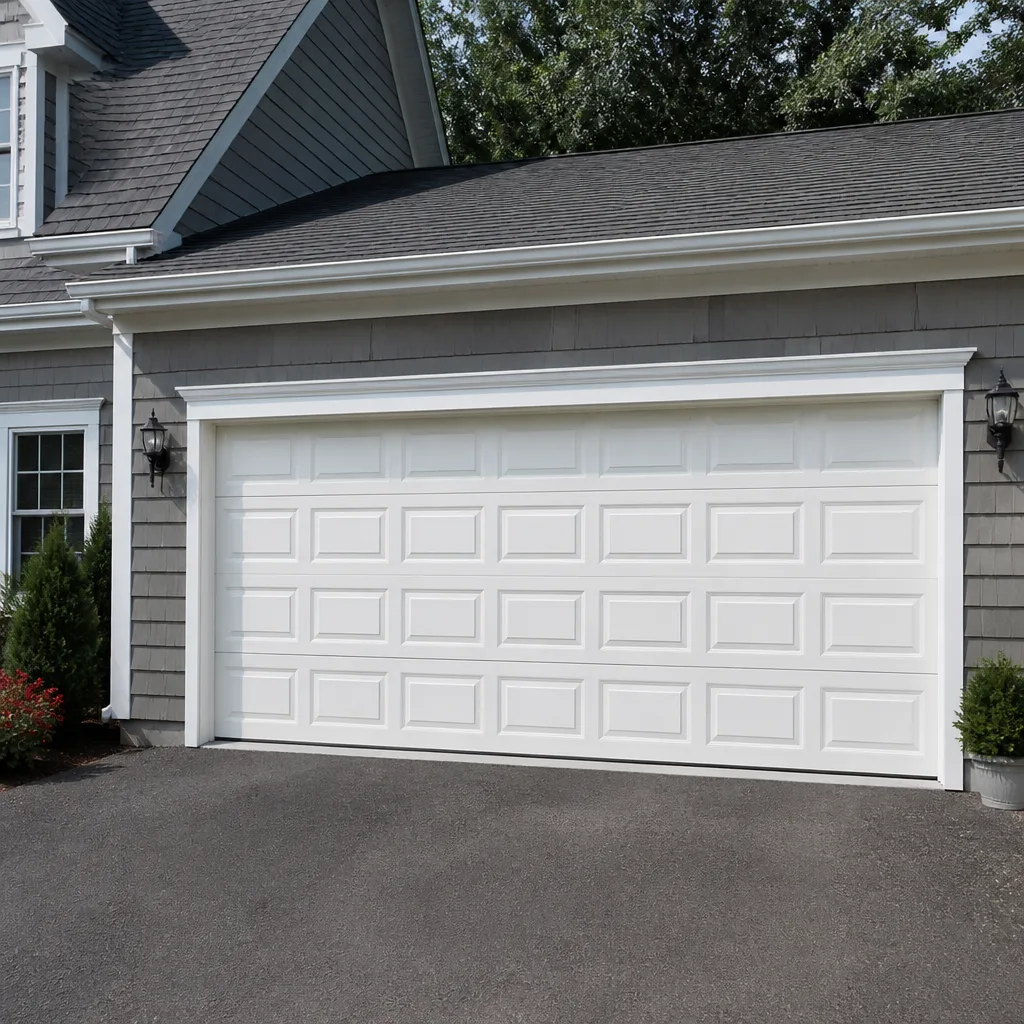 Raised-panel steel
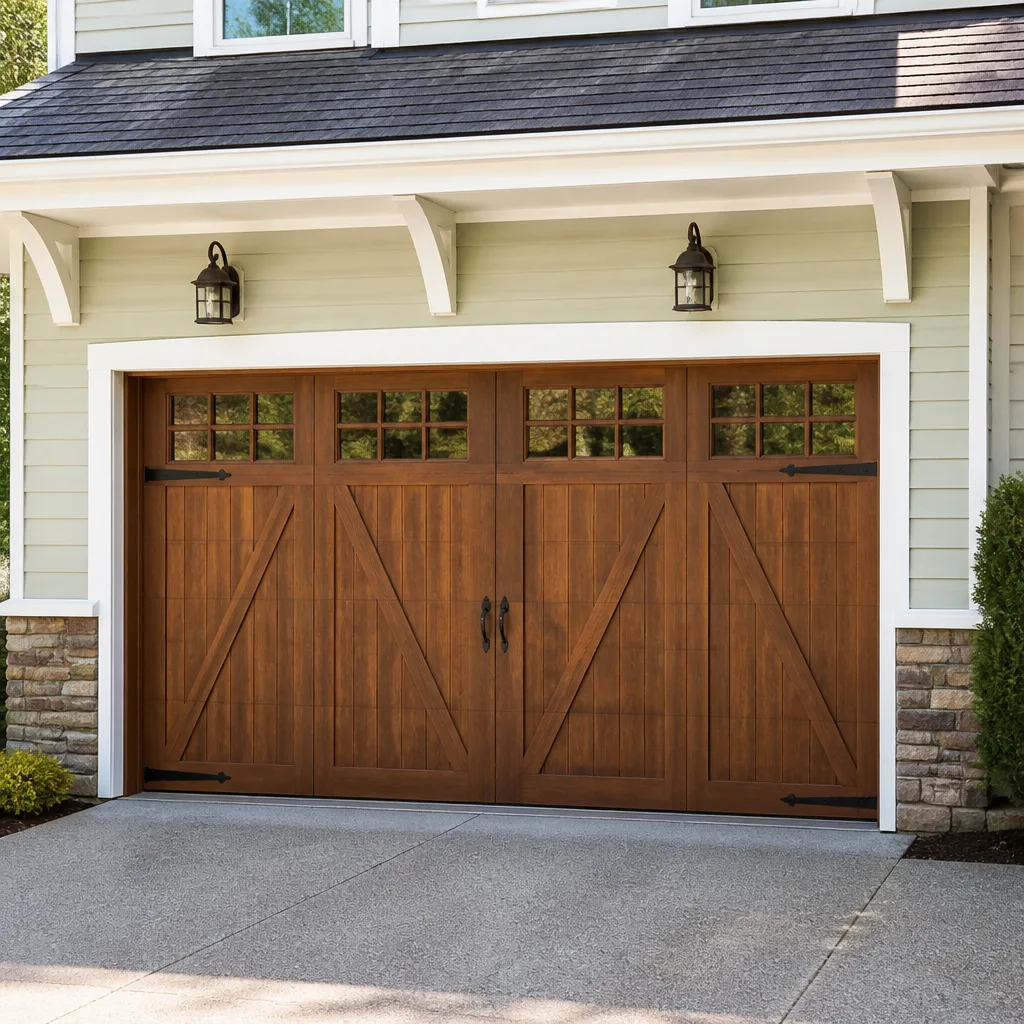 Carriage house
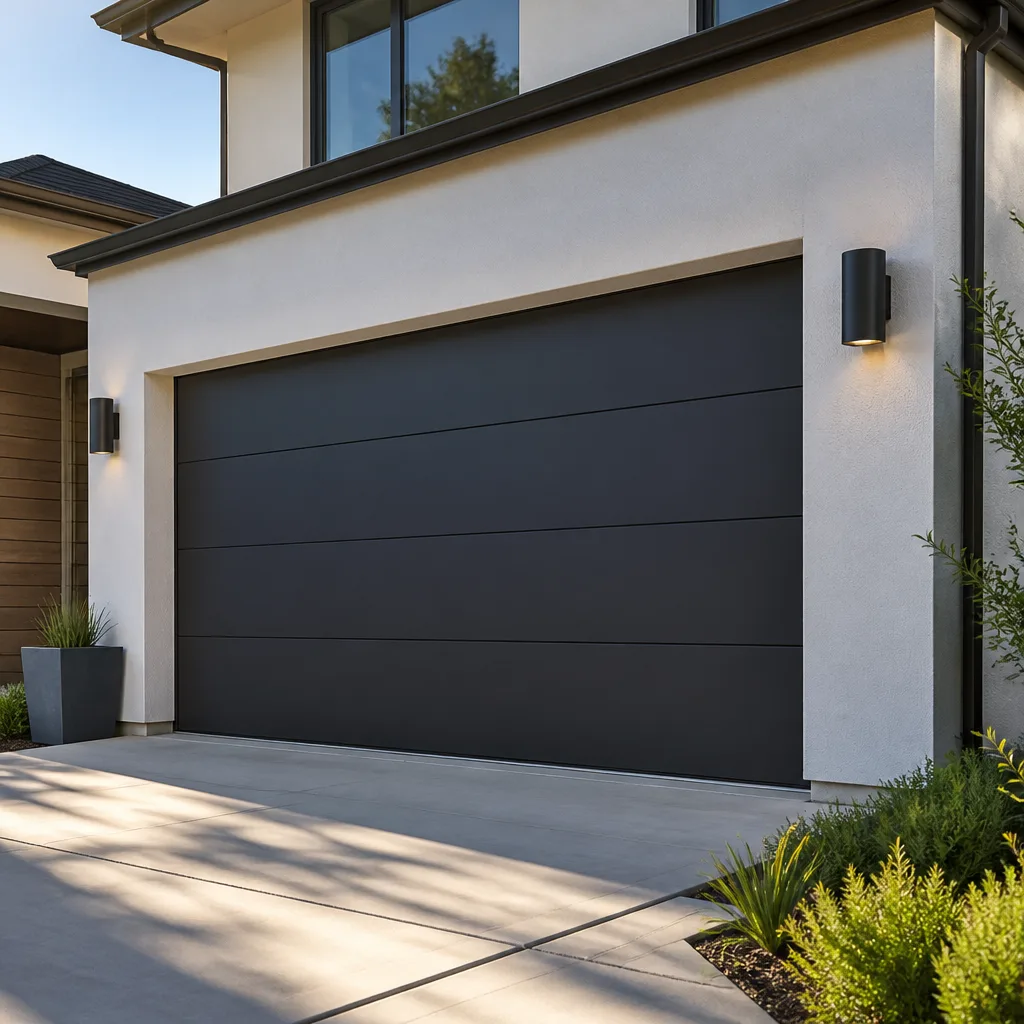 Modern flush
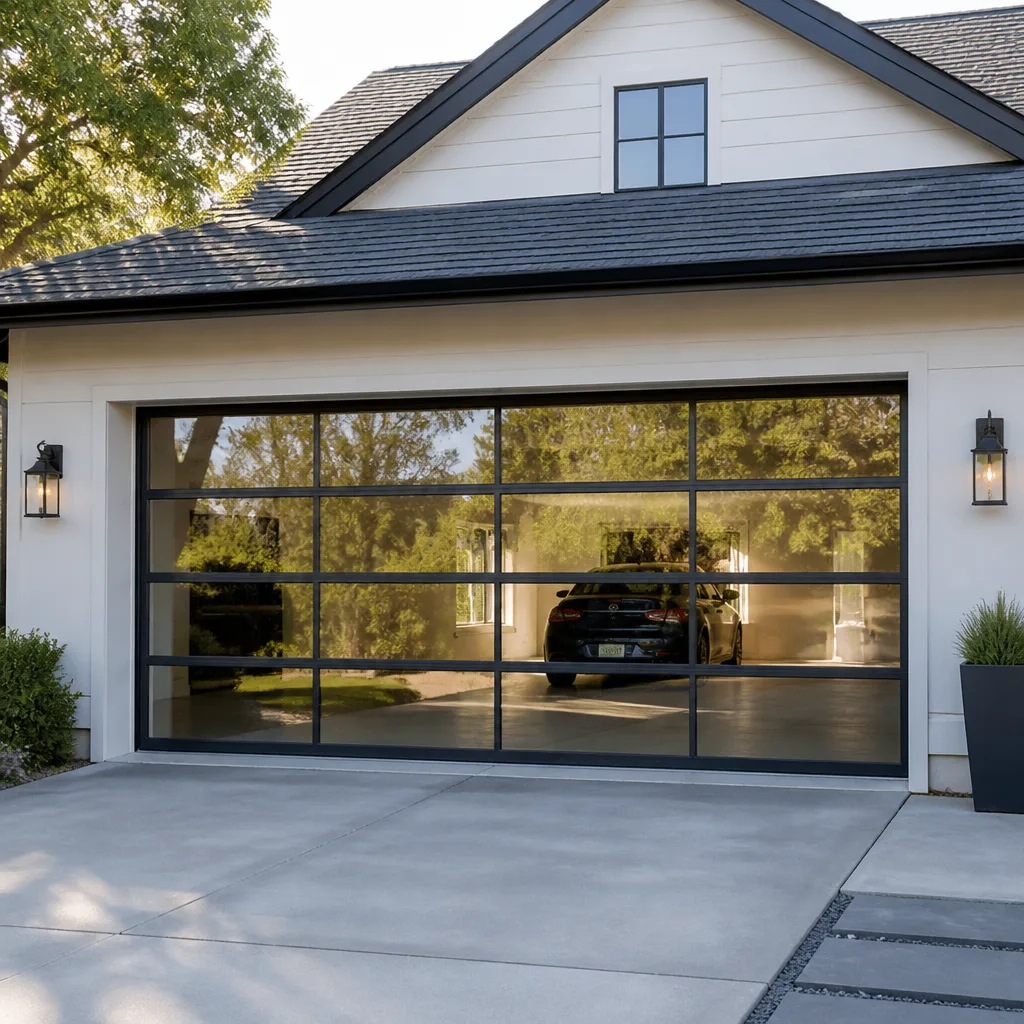 Full-view glass
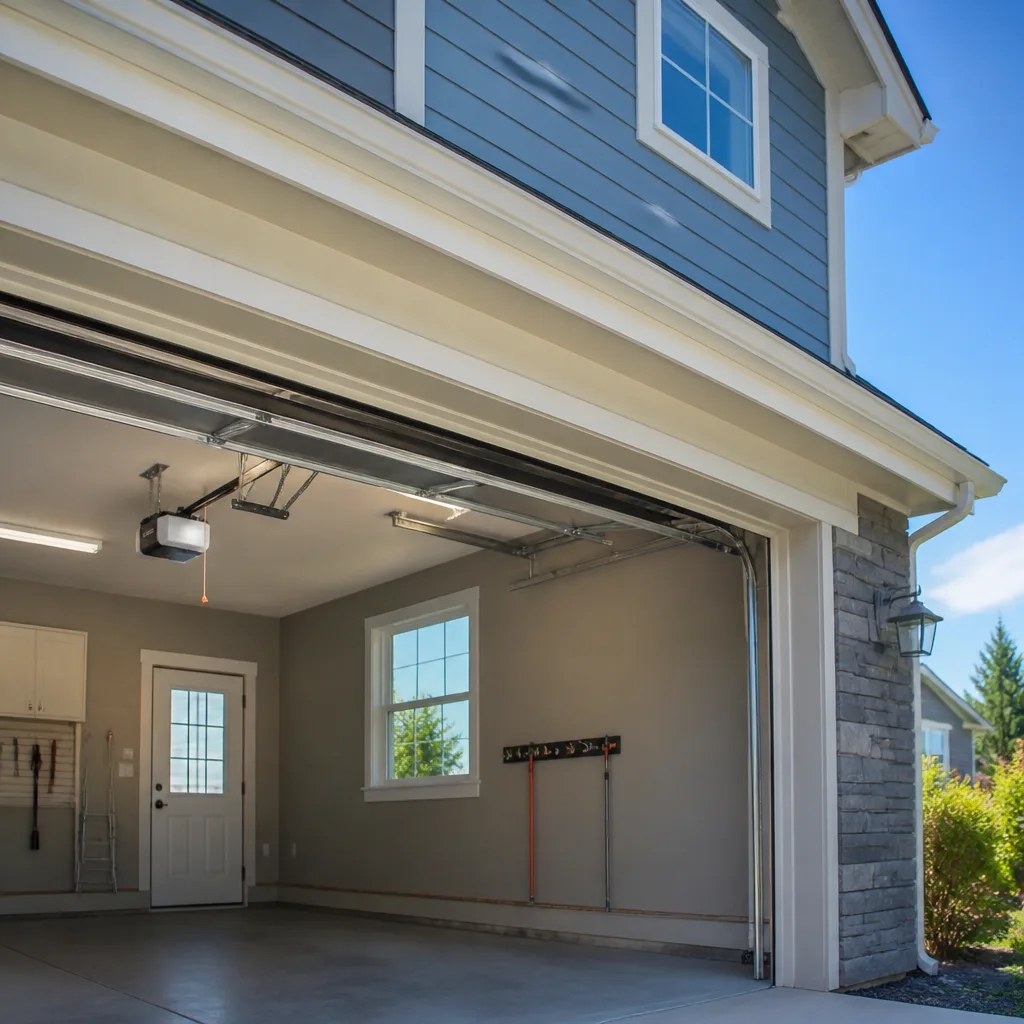 LiftMaster openers
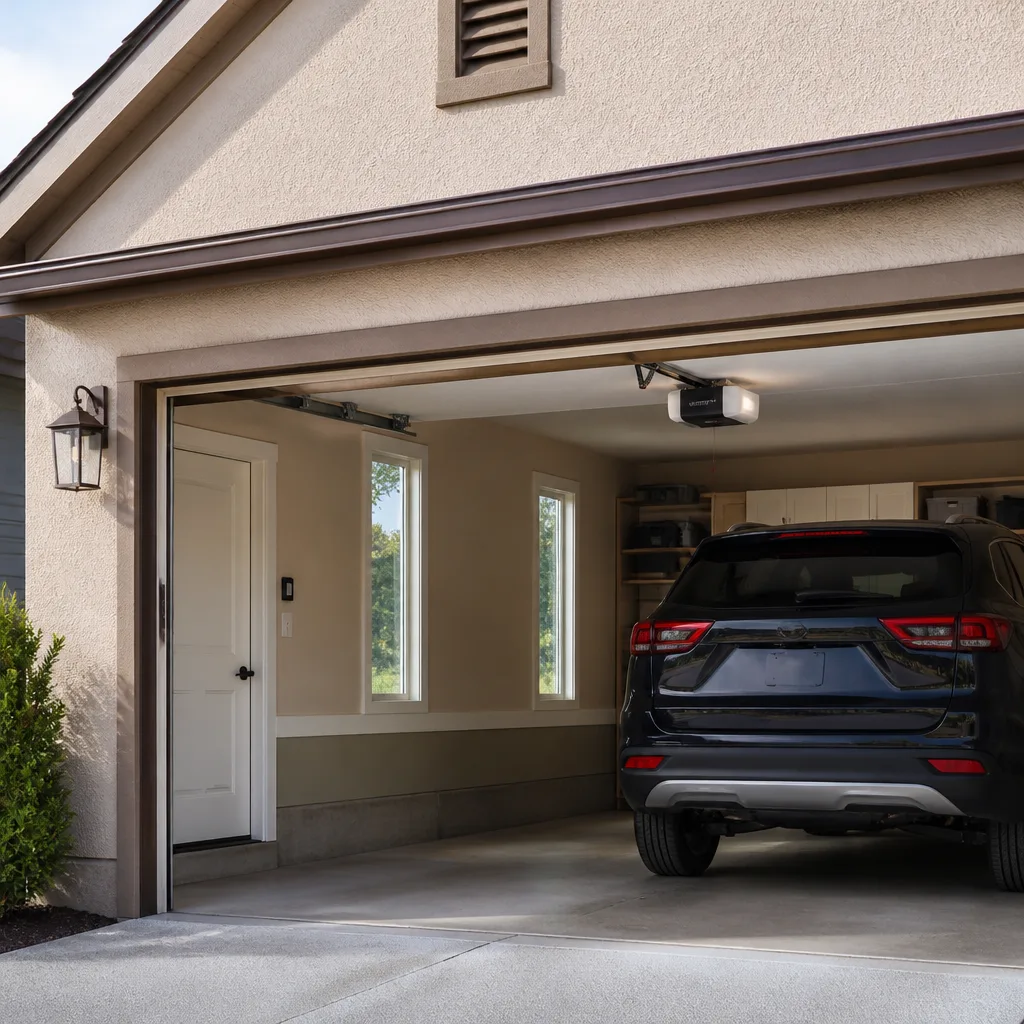 Chamberlain openers
Full 25-point door and opener safety check with every visit - springs, cables, rollers, tracks, and your LiftMaster or Chamberlain opener included
You get a price before we start. It does not change when the pro arrives.
Get your free estimateChoosing the Right Garage Door Brand: A Buyer’s Guide for Tallyn’s Reach
The brand printed on your garage door panel matters less than the brand your local tech can actually get parts for on a Friday afternoon in December. That’s the counterintuitive truth most brand comparisons skip. Homeowners in Tallyn’s Reach spend hours comparing Clopay versus Amarr on paper, then discover the real question is which one has a spring, hinge, or roller sitting on a shelf within reach when the door quits. This guide walks through door construction, insulation, steel gauge, finish durability in Colorado’s sun, opener brands, and what “authorized dealer” status really means for your warranty. You’ll finish knowing which brands make sense for Tallyn’s Reach homes specifically, and which ones look great in a brochure but leave you waiting.
Styles & brands we work with
- Raised-panel steel
- Carriage house
- Modern flush
- Full-view glass
- LiftMaster openers
- Chamberlain openers
Quick Answer
The best garage door brand for Tallyn’s Reach is the one your installer is certified to service and your local supplier keeps parts for. For most homes here, that points to Clopay, Amarr, or Wayne Dalton on the door side and LiftMaster or Chamberlain on the opener side, because all five have strong parts pathways through the Aurora and Douglas County corridor. Premium names without local parts access lose ground fast when a spring breaks in January.
Table of Contents
- Why Parts Availability Beats Brand Prestige in Tallyn’s Reach
- Clopay, Amarr, Wayne Dalton and CHI Compared
- Insulation, Steel Gauge and Finish Durability in Colorado
- Matching Door Construction to Your Garage Type
- Opener Brands: LiftMaster, Chamberlain, Genie and Craftsman
- What “Authorized Dealer” Status Actually Means for Your Warranty
- Which Brands Hold Up to Colorado UV, Temperature Cycling and Hail
- Common Mistakes to Avoid
- When to Call a Professional
- Frequently Asked Questions
- The Bottom Line
Why Parts Availability Beats Brand Prestige in Tallyn’s Reach
A garage door is a mechanical system with about a dozen wear parts, and the brand on the panel determines how quickly each of those parts can be replaced. That’s the least glamorous part of buying a door, and it’s the one that decides whether a repair takes an afternoon or a week. In Tallyn’s Reach, where homes sit at the eastern edge of the metro and most garages face west or south into hard afternoon sun, wear parts get used. Springs cycle, rollers flatten, hinges loosen. What matters is whether your technician can walk out with the right part or has to order it.
Here’s how we think about brand value, and it’s the framework we’d suggest you borrow:
- Parts access: can a local supplier or the installing company get the specific spring, hinge, roller, or bottom bracket for that door without a factory order?
- Technician familiarity: has your local tech worked on this brand enough to know its quirks, torque specs, and track tolerances without a manual?
- Warranty pathway: if a panel or section fails, does the brand honor claims through local channels, or does the homeowner become the middleman?
- Finish durability: does the paint system survive Colorado’s UV load without chalking or peeling?
- Opener compatibility: does the door’s weight and balance work with the opener brand you’ll use?
Notice that “reputation” isn’t on that list as its own item. Reputation shows up inside parts access and warranty pathway. A brand with an excellent name and no local parts pipeline is a worse choice for a Tallyn’s Reach homeowner than a mid-tier brand every tech in Douglas County knows cold. If a door fails on a Sunday, the question becomes whether we can roll a truck Monday morning with the parts already in hand. That’s what garage door repair Tallyn’s Reach actually looks like in practice: the parts side of the business, not just the labor side.
For homeowners comparing quotes, ask each installer one direct question: “If my spring breaks in January, do you have the replacement on your truck or do you order it?” The answer tells you more than any brand brochure.
Clopay, Amarr, Wayne Dalton and CHI Compared
These four brands cover most of the residential doors in and around Tallyn’s Reach. Each has a distinct strength, and none is a bad door. The comparison below focuses on the criteria that actually matter here: insulation performance, steel gauge, finish durability, and how easy it is to get parts.
Clopay
Clopay is probably the most widely recognized residential brand, and recognition has a practical benefit: parts and compatible components are common. Clopay’s lineup spans builder-grade single-layer doors up to insulated triple-layer carriage-house styles. For Tallyn’s Reach homes with attached garages, the insulated Clopay models do well because the panel build helps hold interior temperature. Finish durability is strong on the premium lines; the base models are more ordinary. Where Clopay shines is service access. Because so many homes have one, a technician has likely worked on the exact model before.
Amarr
Amarr competes hard on steel gauge and structural quality at the mid and upper tiers. If you want a door that feels solid when you tap a panel and holds its shape through temperature swings, Amarr is a strong pick. Amarr’s insulated models perform well in Colorado because the panel construction resists the flexing that comes with freeze-thaw cycling. Parts pathways are good but not quite as universal as Clopay’s, which matters when you’re choosing an installer. Ask specifically whether your installer is certified on Amarr and keeps Amarr parts on hand.
Wayne Dalton
Wayne Dalton has a long footprint in Colorado residential construction, and the practical upside is that a lot of local technicians know the brand from the inside out. The company’s focus on lighter-weight panel designs and smooth torsion systems makes them popular on homes where the garage door opener needs to work without strain. Insulation varies widely by model, so specify which Wayne Dalton line you’re getting before you sign. Parts availability in the Aurora corridor is solid.
CHI
CHI is the brand homeowners tend to discover when they’re shopping for a full replacement rather than a repair, and it’s often a strong value in the mid-market. CHI’s insulated doors with steel backing are competitive on gauge and finish. The catch with CHI is parts access: fewer technicians are certified, so finding someone who stocks CHI-specific hardware can take more calling. If you’re considering CHI, confirm your installer is certified and ask what happens if a section gets damaged years later.
Comparison at a glance
- Clopay: widest parts availability, strong insulated models, common brand, easy to service.
- Amarr: best steel-gauge feel at mid-tier, excellent insulated performance, good but slightly narrower parts access.
- Wayne Dalton: deep local familiarity, lighter torsion systems, model-dependent insulation.
- CHI: solid mid-market value, narrower technician pool, confirm certification before buying.
The honest takeaway: for most Tallyn’s Reach homes, Clopay and Amarr are the strongest defaults because parts and technician familiarity are both deep. Wayne Dalton is a good choice where weight matters. CHI is worth considering if your installer is certified and you’ve confirmed the parts pathway.
Insulation, Steel Gauge and Finish Durability in Colorado
Colorado’s Front Range climate puts specific demands on a garage door, and not the ones that get advertised most. UV exposure at this elevation is intense, and that’s the single biggest finish-killer for a door facing south or west. Temperature cycling is the second: swing from a mild afternoon to a cold night, day after day, works the panel seams and the paint film. Hail is the third, and while nobody can promise a door will survive a hailstorm, panel thickness and steel gauge affect how a door shrugs off small dents versus how it dents at the first strike.
Insulation performance
Insulation isn’t just about keeping a heated garage warm. It’s about what the garage does to the rest of the house. In Tallyn’s Reach, where most garages are attached, an uninsulated door lets an enormous amount of heat move through a wall system you’ve been trying to make efficient. Insulated doors reduce that transfer and also cut down on condensation, which matters when you park a cold vehicle inside. Triple-layer insulated doors with a steel back layer perform best; double-layer doors are a reasonable middle ground; single-layer non-insulated doors are fine for detached sheds and unheated garages where temperature transfer doesn’t matter.
Steel gauge
Steel gauge is measured so that a lower number means thicker steel. A door rated at 24-gauge is thicker than one at 27-gauge. Manufacturer specs usually list this, but if they don’t, tap the panels. The thicker-gauge door will sound flat and solid; the thinner one thuds. For Tallyn’s Reach, thicker gauge is worth the step up, because it resists panel denting from stray projectiles and stands up better to temperature cycling. This is where Amarr tends to be strong at mid-tier pricing.
Finish durability
Finish is the criterion homeowners ask about last and regret not asking about first. In a UV-heavy climate, a poor finish system chalks, fades, and eventually peels. Look for a baked-on factory finish with a stated warranty, and read what the warranty actually covers. Paint-system warranties vary by brand and model, so specify what’s written into your written estimate. A door whose finish warranty is measured in a decade or more is a different animal from one measured in a year or two.
If you want the pure mechanical side of how a door’s components wear, our garage door repair page covers springs, cables, and track diagnostics in more detail. For finish and gauge, the buyer’s questions are those three above, and a tech who has worked on the brand can tell you honestly which line lasts in this climate.
Matching Door Construction to Your Garage Type
New garage door installation decisions go wrong when a homeowner picks a door by photo. The right construction depends on how the garage is attached, whether it’s heated, and what’s above or beside it. Tallyn’s Reach has a mix of attached garages on the main house, detached garages on larger lots, and some homes where the garage sits under living space. Each type wants a different door construction.
Single-layer doors
Single-layer doors are one piece of steel with no insulation. They’re lightweight, less expensive, and appropriate for detached garages used for storage, unheated workshops, or sheds. They’re a poor fit for an attached garage above or beside living space, because they transfer heat directly and add condensation risk. If you’re on a tight budget and the garage is detached, single-layer is honest value.
Double-layer doors
Double-layer doors add insulation to the back of the steel skin without a full second steel layer. They’re a good middle option for attached garages that aren’t heated but sit near living space. They improve thermal separation and reduce noise from the door operating. The trade-off is that the exposed back surface can be less finished-looking than a triple-layer door.
Triple-layer doors
Triple-layer doors sandwich insulation between two steel skins. They’re the best pick for attached and heated garages in Tallyn’s Reach, because they block heat transfer, deaden the sound of the operating door, and hold their panel shape better across temperature swings. Doors above living space want triple-layer if you can get there. This is also the tier where the finish and gauge differences between brands really show.
Quick matching guide
- Detached, unheated garage: single-layer or double-layer is fine; triple-layer is overkill.
- Attached, unheated garage: double-layer minimum; triple-layer recommended if the garage shares a wall with a bedroom or living room.
- Attached, heated garage: triple-layer insulated door, no question.
- Garage under living space: triple-layer insulated door with a strong finish warranty.
- Any garage in Tallyn’s Reach facing south or west: prioritize finish durability, whatever layer count you choose.
One more detail specific to homes here: if the garage doubles as a home gym, workshop, or office, insulate for sound, not just temperature. Triple-layer doors operated by a modern opener are noticeably quieter. That’s a real reason homeowners make the step up.
Opener Brands: LiftMaster, Chamberlain, Genie and Craftsman
Door brand and opener brand are separate decisions, and the opener decision is often where Tallyn’s Reach homeowners get the worst guidance. The right opener is the one with the best local parts supply and security features for your household, and on the Front Range that points to LiftMaster and Chamberlain at the top, with Genie and Craftsman as the reliable legacy options.
LiftMaster
LiftMaster is the dominant professional-grade opener for a reason: it’s built for installers, its accessories (batteries, remotes, wall controls) are widely stocked, and its smart-home integration through myQ is mature. For a Tallyn’s Reach homeowner who wants a quiet belt-drive opener with reliable phone access, LiftMaster is the strong default. Service access is the best in the class.
Chamberlain
Chamberlain shares the myQ ecosystem with LiftMaster and is sold through retail channels as well as professionally. That availability means parts are easy to find and technicians are very familiar with the platform. Chamberlain is a strong choice for homeowners who want myQ capability at a lower entry price than the pro-grade LiftMaster line.
Genie
Genie remains a solid brand with good availability, and its current smart features are competitive. The parts pipeline is somewhat narrower than LiftMaster’s, so when a Genie opener fails, the availability question is worth asking. If you have a Genie and it’s working well, keep it; replacement is a decision to make when it actually fails.
Craftsman
Craftsman openers, often the older chain-drive units found in homes built in the last twenty years, are legion in Tallyn’s Reach. They’re reliable, familiar to every technician, and parts are widely available because of volume. When a Craftsman unit finally wears out, the usual honest recommendation is to replace rather than rebuild, because belt-drive or screw-drive replacement units are quieter and much smarter.
For diagnosing opener problems by brand and symptom, our garage door opener repair page covers what fails on each line. For an opener that’s working fine, an honest upgrade decision is mostly about smart-home features and quietness. Don’t let anyone talk you into replacing a functioning opener.
What “Authorized Dealer” Status Actually Means for Your Warranty
Authorized dealer status matters more than most homeowners realize, because manufacturer warranties are usually conditioned on proper installation. That’s the simple version. A door installed by someone outside the brand’s dealer network can leave you with a warranty that’s harder to enforce or void in whole sections. The distinction between “authorized dealer” and “authorized service” is worth understanding before you sign.
The distinctions
- Authorized dealer: the installer is certified by the manufacturer to sell and install the brand’s products, and can register the warranty in the homeowner’s name.
- Authorized service provider: the technician is certified to service and repair the brand’s products, including warranty work.
- Neither: the installer can physically install a door but may not be certified, which can affect warranty coverage.
How to check
- Ask each installer for their certification status, in writing, by brand.
- Ask who will register the manufacturer warranty in your name, and get the registration confirmation after installation.
- Ask what happens if a section or panel fails under warranty: does the installer handle the claim, or do you?
- Confirm the labor warranty separately from the manufacturer product warranty, since they’re usually different documents.
For homeowners choosing a brand, this means authorized status is a reason to prefer one installer over another even when the price is similar. And the reverse is true: a slightly lower quote from an uncertified installer can cost you warranty coverage on a door you’ll own for decades. Ask the question directly and get the answer in the estimate.
Which Brands Hold Up to Colorado UV, Temperature Cycling and Hail
Marketing specs and service-call reality don’t always match, and this is the section where that gap shows. Based on the service calls we see around Tallyn’s Reach and the Douglas County corridor, the brands that perform best in Colorado are the ones with the toughest finish systems, the thickest panel steel, and the widest parts access. That’s not always the brand with the flashiest ad.
What the service calls tell us
The doors that age gracefully here tend to share three traits: factory-baked finish systems that resist UV fading, thicker steel gauge that resists panel flex and hail dents, and spring and hardware assemblies that are easy to replace when they wear out. Clopay’s insulated premium lines and Amarr’s upper tiers consistently hold up. Wayne Dalton does well when the model is one of their insulated lines; the builder-grade lines show fade sooner. CHI holds up mechanically when it’s installed correctly, but the parts access issue shows up years later.
What fails first in this climate
- Finish: south- and west-facing doors fade and chalk; UV exposure at elevation is the main driver.
- Springs: torsion and extension springs fail from cyclic loading, and the freeze-thaw pattern accelerates wear.
- Rollers and hinges: wear from temperature cycling and from the annual grit that gets onto tracks.
- Panels: minor dents that a thicker-gauge door absorbs; thinner-gauge doors take the dent and hold it.
Hail is the wildcard. A door that takes a hailstorm head-on can lose panels or finishes regardless of brand, so homeowners should read the door’s finish warranty carefully and carry homeowner insurance that covers the door. Buyer’s insurance is a separate question from brand, but brand choice affects how quickly and cheaply a hail-damaged door gets replaced.
If you want pre-purchase guidance for a specific model, or you want us to inspect a door you’re considering buying, our team can help. Garage Door Repair Tallyn’s Reach sells parts directly across these brands, which means when a component fails here, we can usually replace it without waiting on a factory order. And if the door is a lost cause, we install replacements too, so a brand recommendation comes with the ability to actually deliver and install it. That single-source model keeps the parts question from being someone else’s problem.
One last piece of the picture: matching door brand to opener brand. A heavier insulated Clopay or Amarr door with a solid torsion system works well with a LiftMaster or Chamberlain belt-drive opener. A lighter Wayne Dalton door opens smoothly on a Genie or Craftsman. If you have a functioning opener and a failing door, keep the opener and match the new door to it. If both sides are worn out, replace the opener with the door so the warranty on each is fresh and the pair is sized for each other.
Common Mistakes to Avoid
- Picking a brand by brochure instead of parts pipeline. A premium brand without local parts access turns a routine repair into a weeks-long wait. Ask every installer the parts question before you sign, and verify the answer in the written estimate.
- Installing an uninsulated door on a Tallyn’s Reach attached garage. The temperature transfer and condensation come back to you every winter. Insulate for the garage’s actual use, not the sticker price.
- Ignoring finish durability in a UV-heavy climate. A cheaper door with a thin finish fades two summers in, then looks older than it is. Read the finish warranty language line by line.
- Letting an uncertified installer “save you money” on the install. The price difference is small compared to an unenforceable warranty on a door you’ll own for decades. Get the certification status in writing.
- Replacing a functioning opener when only the door has failed. Openers and doors fail separately, and a functioning opener can stay in place. Don’t let anyone bundle a replacement opener into a door-only job without a reason.
- Skipping the door-to-opener compatibility check. A heavy new insulated door needs an opener sized for it. Confirm that before installation, not after.
- Treating a garage door as a set-and-forget system. Springs, rollers, and hinges wear from use, and a yearly visual check keeps a small problem from becoming a large one. Schedule a look before a failure forces the issue.
When to Call a Professional
Some garage door problems are genuinely urgent and some can wait a few days, and knowing the difference keeps you from either panicking or ignoring a hazard. Call immediately for a broken spring, a door that’s come off its tracks, a door that appears to twist or rise unevenly, or an opener that’s failing to reverse on obstruction. These are the calls where delay risks damage to the door or, in the case of a failing spring, injury to anyone trying to operate it. Springs under torsion are under enormous tension and can cause serious injury, so we don’t recommend any homeowner attempt spring replacement – a trained professional handles that work.
Call within the week for a door that’s noisy, an opener that’s responding intermittently, a door that’s slowly lost its balance, or a weather seal that’s failing. For installation and replacement, plan ahead: a new door is measured, ordered, and scheduled, so a free measure and a written price is the right first step rather than an urgent call. Garage Door Repair Tallyn’s Reach offers free estimates in Tallyn’s Reach – call (888) 847-8567.
Frequently Asked Questions
For most Tallyn’s Reach homes, Clopay and Amarr are the safest choices for insulated attached-garage doors because parts access and technician familiarity are both strong along the Douglas County corridor. Wayne Dalton is a good fit for lighter residential doors, and CHI is worth considering if your installer is certified and you’ve confirmed the parts pathway. The best brand for your specific door depends on the garage type and the finish warranty you can get in writing, so ask your installer to justify their recommendation on those two points.
A typical new garage door in Tallyn’s Reach ranges from about $600 for a basic single-layer door on a detached garage up to several thousand dollars for a triple-layer insulated door with a premium finish on an attached garage, and the written estimate is the price. Opener replacement, when needed, adds to that. The figure that matters is the written estimate from your installer, which should itemize the door, the opener if included, and the labor. Call (888) 847-8567 for a free measure and a written estimate – estimates are free.
LiftMaster and Chamberlain have the strongest local parts pipeline in the Tallyn’s Reach area, because both are widely stocked and share the myQ ecosystem. Genie and Craftsman are also well supported, though slightly narrower. When your opener fails, the availability question is the first thing to ask before you choose a replacement. Call (888) 847-8567 if you want a recommendation based on your current opener.
Yes, in most cases. Authorized dealer status usually matters for warranty coverage, because manufacturer product warranties are conditioned on proper installation and registration. An uncertified installer can leave you with reduced or void coverage. Ask for certification status in writing before you sign, and confirm who registers the warranty in your name. Call (888) 847-8567 if you want to check a brand’s options before you commit.
Triple-layer insulated doors are the right pick for a heated garage in Tallyn’s Reach, and they’re also the pick for any garage under living space. The steel-insulation-steel sandwich handles temperature transfer, quiets the door in operation, and holds its panel shape across freeze-thaw cycles. Single-layer doors are for detached, unheated garages only.
In most cases, yes. We service major residential door and opener brands including LiftMaster, Chamberlain, Genie, Clopay, Amarr, Wayne Dalton, Craftsman, and Raynor, and we sell parts directly, which speeds up repair and avoids waiting on third-party orders. Call (888) 847-8567 with the brand name and the problem and we’ll tell you what to expect.
The Bottom Line
The best garage door brand for your Tallyn’s Reach home is the one your installer is certified to service and your local supplier keeps parts for. Clopay and Amarr are the strongest defaults for insulated attached-garage doors here, with Wayne Dalton a good choice for lighter doors and CHI worth considering when the certification and parts pathway are confirmed. On the opener side, LiftMaster and Chamberlain have the best local parts supply, with Genie and Craftsman remaining solid legacy options. Match the door construction to your garage type, check the finish warranty, and get the installer’s certification status in writing before you sign. Call (888) 847-8567 for a free estimate – the written quote is the price, and estimates are free. One call covers parts, repair, and installation, so you don’t have to call a second company to get the door working.
Written by the team at Garage Door Repair Tallyn’s Reach.
See the difference
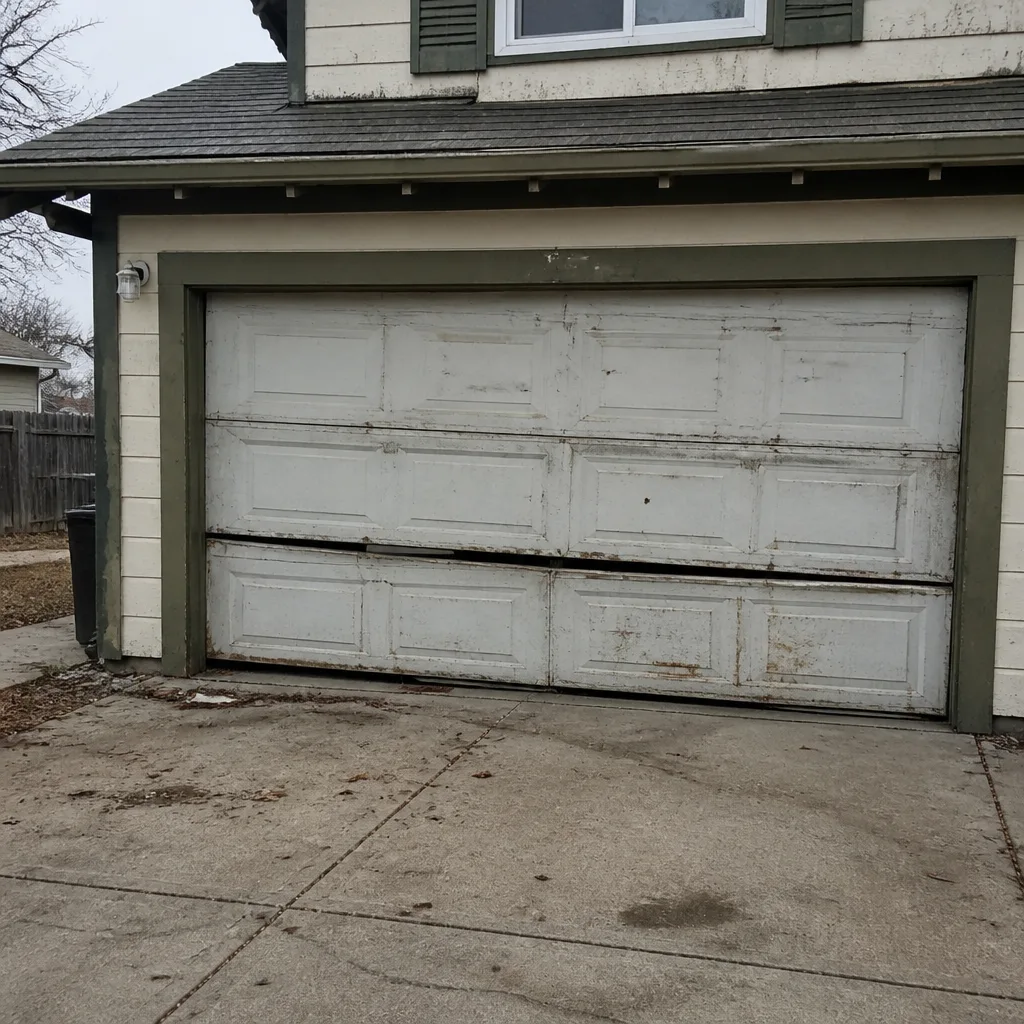 Before
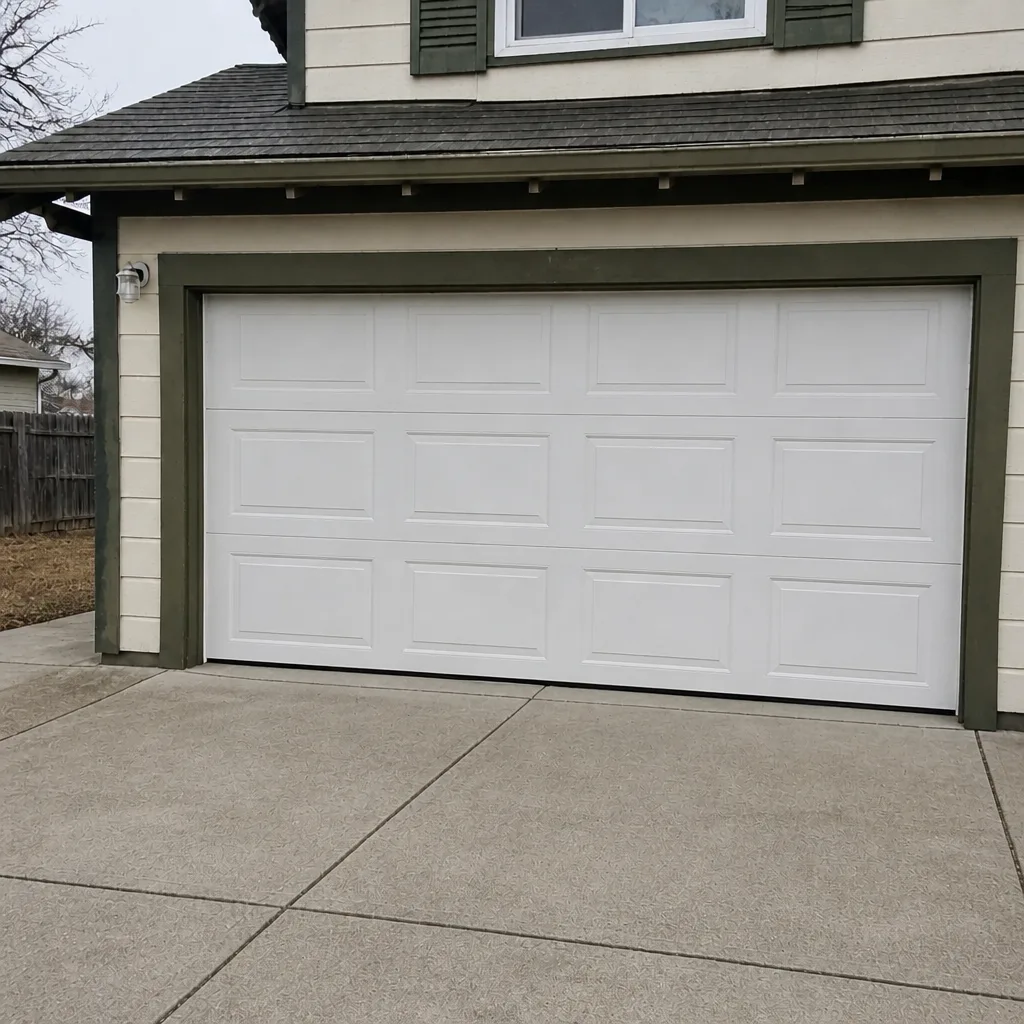 After
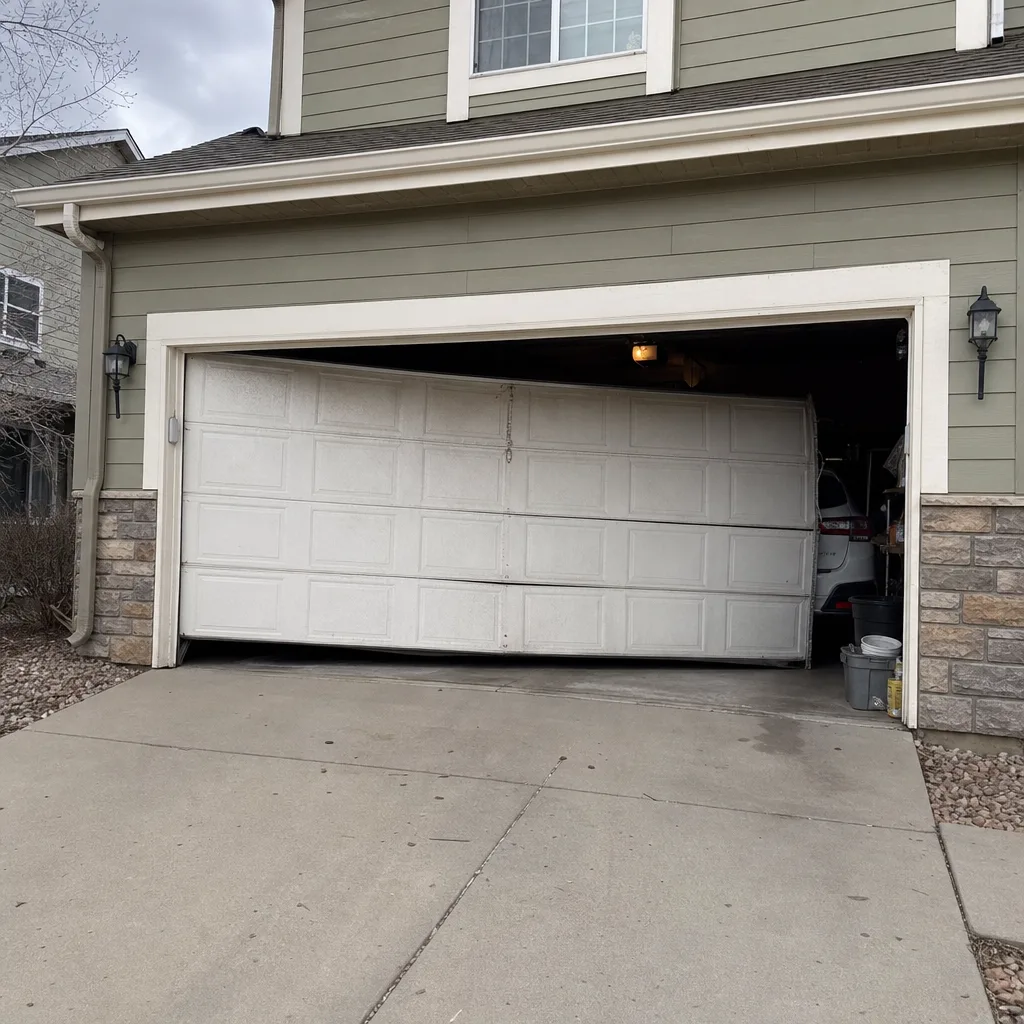 Before
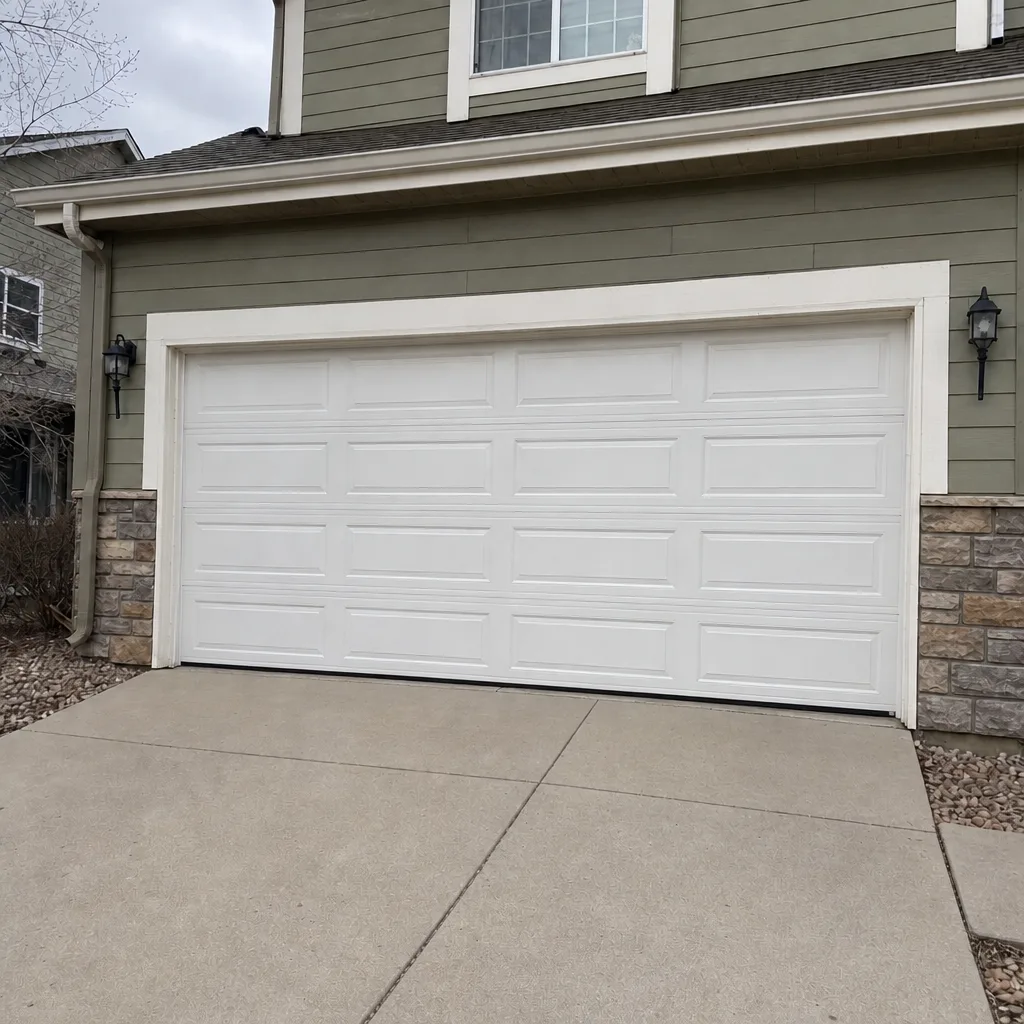 After
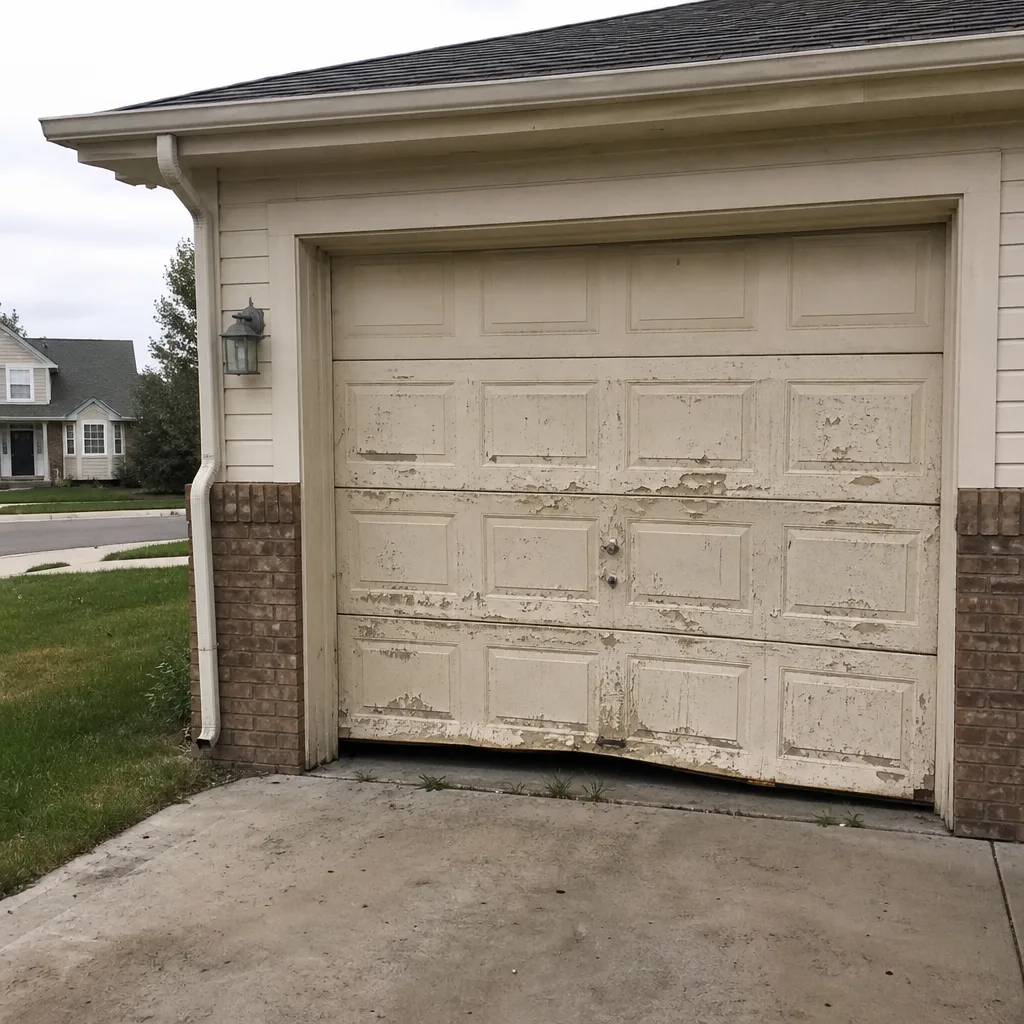 Before
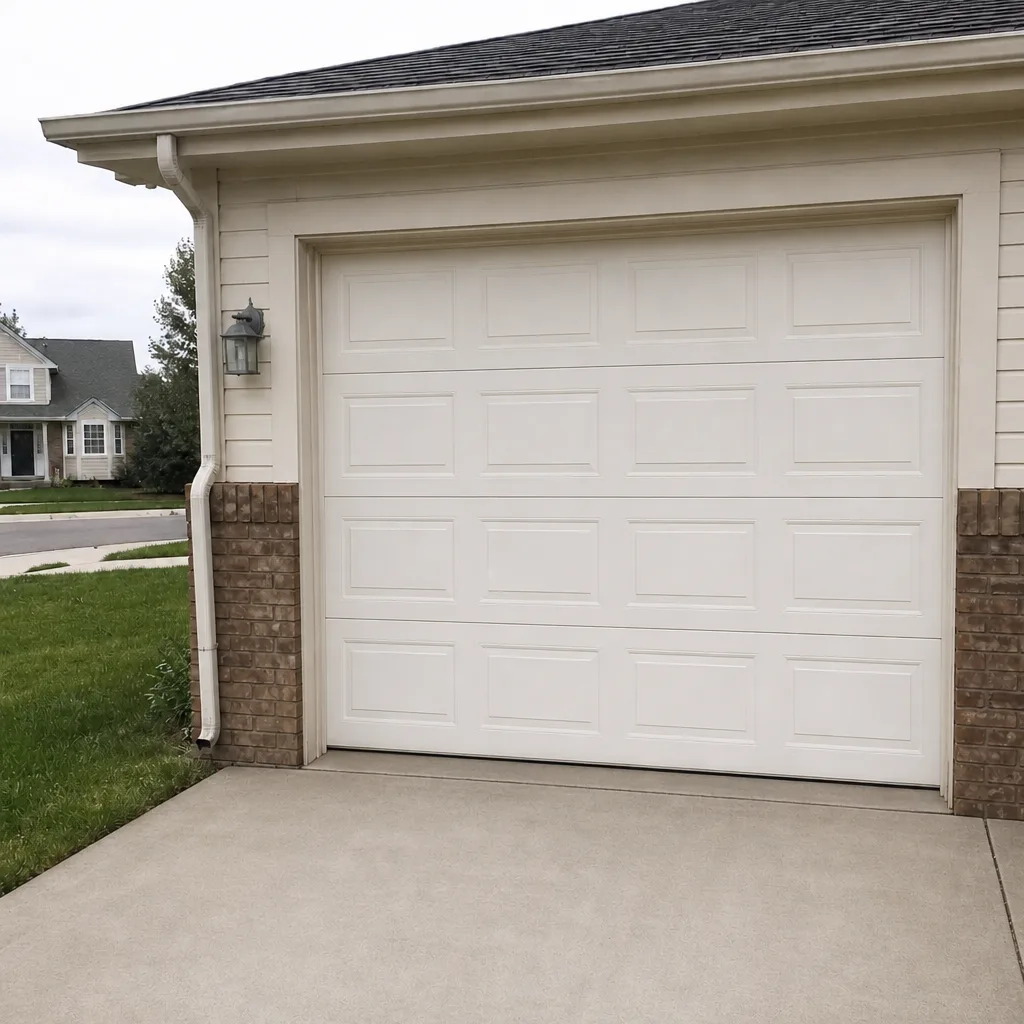 After