Last updated November 23, 2026
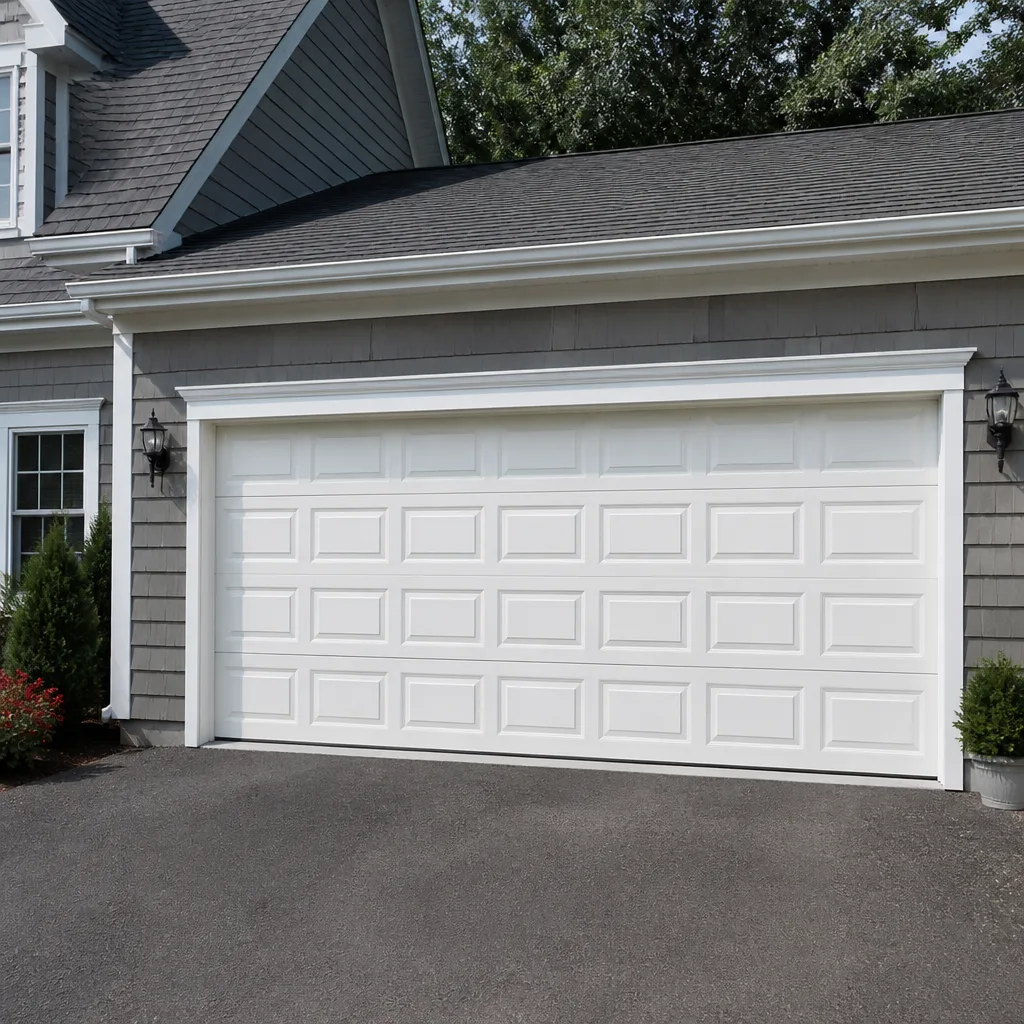 Raised-panel steel
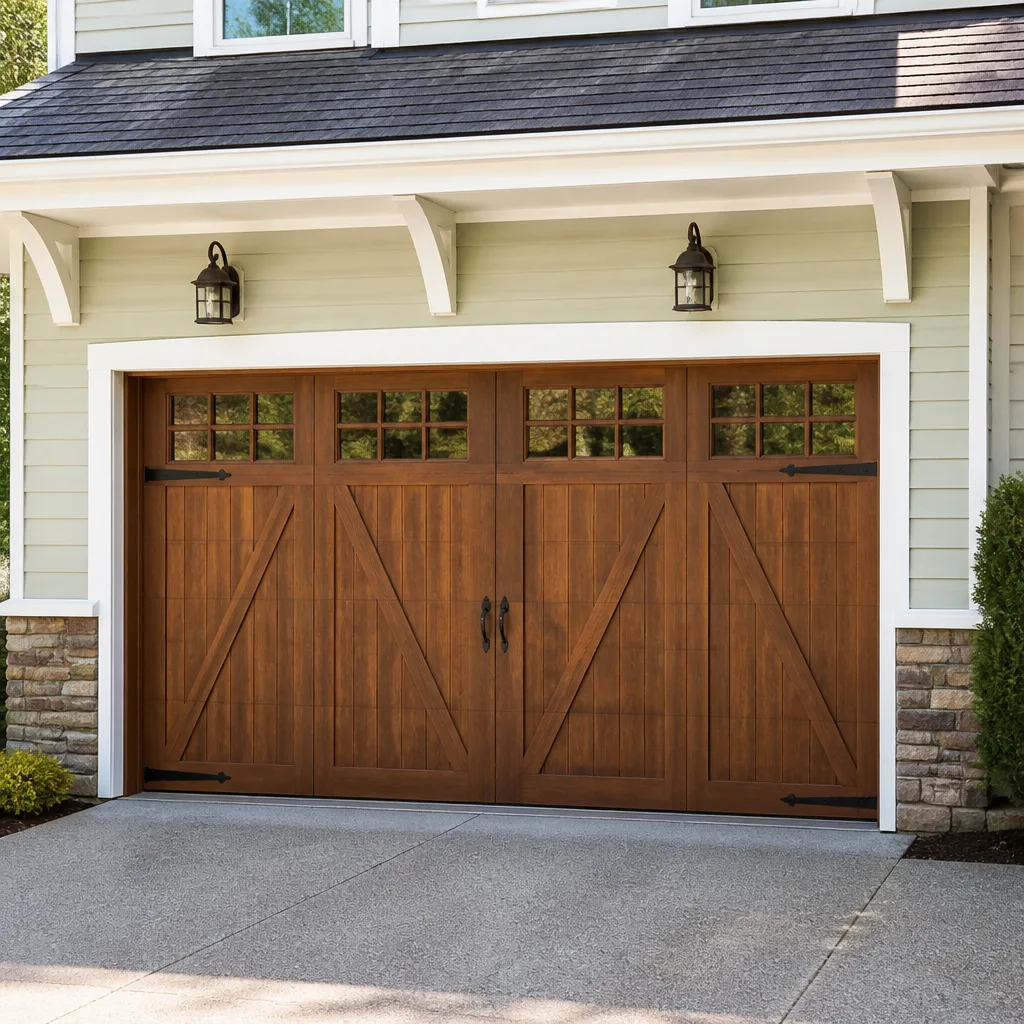 Carriage house
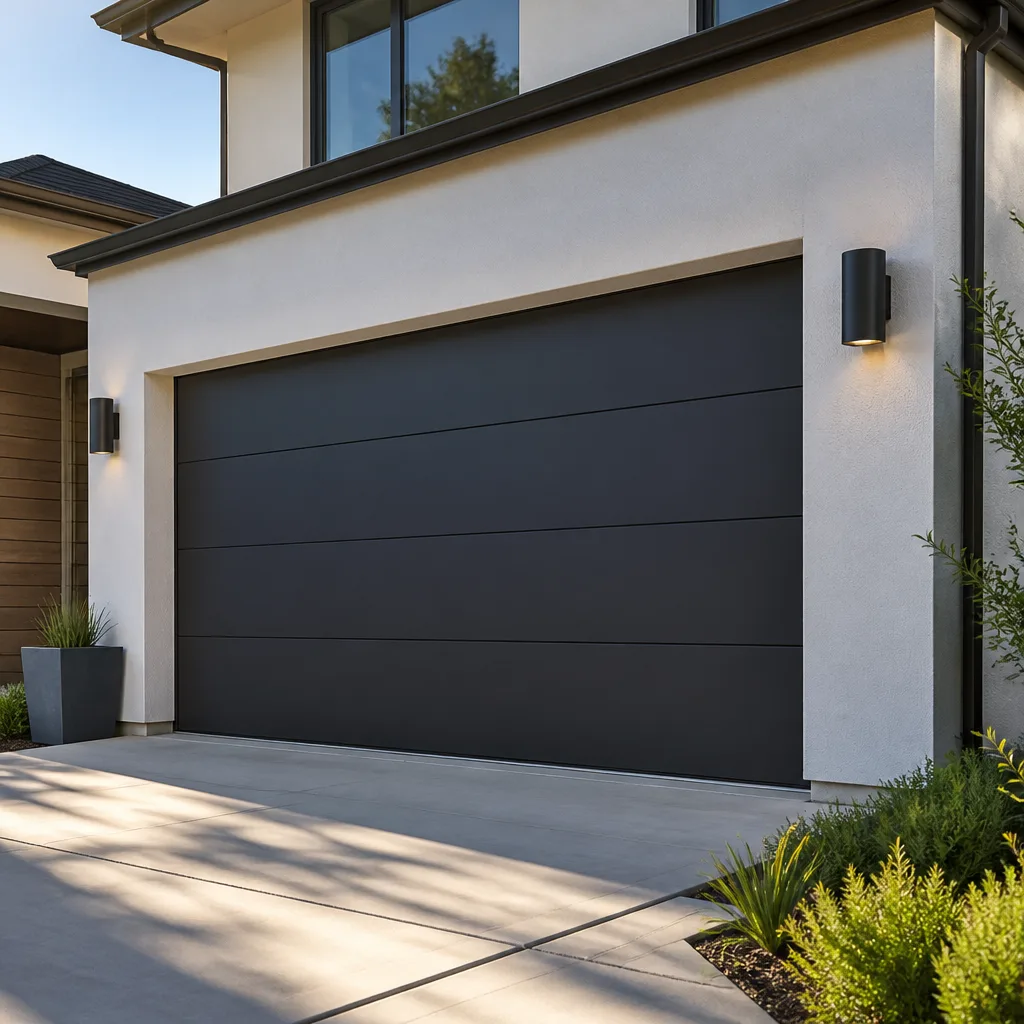 Modern flush
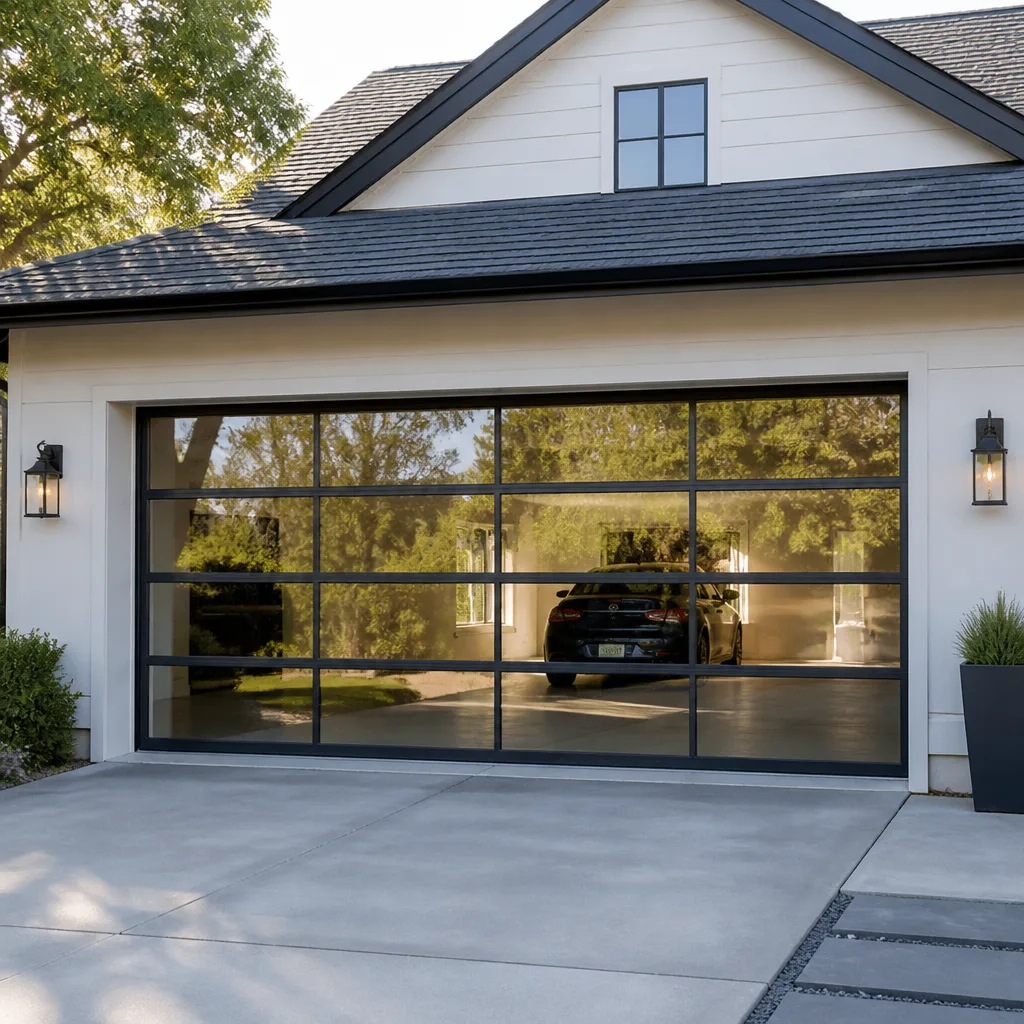 Full-view glass
 LiftMaster openers
 Chamberlain openers
Full 25-point door and opener safety check with every visit - springs, cables, rollers, tracks, and your LiftMaster or Chamberlain opener included
You get a price before we start. It does not change when the pro arrives.
Get your free estimateGarage Door Repair Maintenance Checklist for Tallyn’s Reach Homeowners
The call we get most often in the dead of January isn’t about a door that failed out of nowhere. It’s about a door that was fine in September, then started groaning in November, then stopped dead when a cold snap hit and finished off a spring or a roller that had been running dry for months. The failure looks sudden. The cause usually isn’t. Garage doors fail in a sequence, and maintenance in Tallyn’s Reach works the same way: the order and timing of the checks matters as much as the checks themselves. Skip one step in October and the next one takes out two components in January. This guide lays out a sequenced maintenance calendar built around Colorado’s climate, not a generic spring-and-fall routine, and explains which items protect your warranty and which ones you can safely do yourself.
Quick Answer
The best garage door maintenance checklist for Tallyn’s Reach homeowners runs on a Colorado calendar rather than a generic “spring and fall” schedule: monthly visual and sound checks, a quarterly lubrication and seal inspection, a pre-freeze deep check in October, and an early-spring full inspection once the thaw is done. Spring tension, cable condition, and weather-seal integrity are the three items that most often turn into repair calls, and all three can be checked safely without tools. Everything involving springs, cables, and torsion hardware is a trained-technician job.
Styles & brands we work with
- Raised-panel steel
- Carriage house
- Modern flush
- Full-view glass
- LiftMaster openers
- Chamberlain openers
Table of Contents
- Why the Sequence and Timing of Checks Matters
- The Monthly Check: Ten Minutes That Prevent Most Emergency Calls
- The Quarterly Check: Lubrication That Survives a Colorado Winter
- How to Test Spring Tension Without Tools
- Weather Seals, Bottom Rubber, and Cable Fraying: A 10-Minute Photo Inspection
- Checklist Items That Protect (or Void) Your Manufacturer Warranty
- The Full Tallyn’s Reach Maintenance Calendar
Why the Sequence and Timing of Checks Matters
A garage door isn’t one machine; it’s a chain of parts that share the load. The torsion spring stores the energy, the cables carry it, the rollers ride the track, and the opener only has to nudge a door the springs have mostly lifted. When one link in that chain degrades, the load shifts to the next one. That’s why a door that seems healthy in October can fail hard in January: a dry roller adds drag, the drag makes the spring work harder, the harder-working spring weakens, and the first cold night finishes the job. Each skipped item causes the next failure, and the failures compound in order.
This matters more in Tallyn’s Reach than in milder parts of the Front Range. The stretch of open ground east of the neighborhood lets the wind and cold come in hard, and a detached or attached garage facing a west or north wall tends to run colder than the house. Cold season here also swings: a warm afternoon can thaw everything a morning freeze locked up, and that freeze-thaw cycle works on rubber seals, bottom weatherstripping, and cable lubrication all winter long.
So the checklist you’ll find below is built as a calendar. Monthly checks catch small problems while they’re still cheap. Quarterly checks keep metal-to-metal contact from grinding. The October check is the one that matters most, because it happens before the cold can find every weak point at once. The March or April check closes the loop, catching anything the winter stress exposed. Run in that order, the checks reinforce each other. Run out of order (or skip one), and you’re back to guessing why the door suddenly stopped.
The Monthly Check: Ten Minutes That Prevent Most Emergency Calls
The monthly check is the easiest one to do and the easiest one to skip, which is exactly why it catches so much. Set aside ten minutes on the same weekend each month. You don’t need tools for any of it.
- Listen before you look. Run the door up and down with nothing else going on in the garage. Squeeks, grinding, and a rhythmic thumping all point to different parts: squeaks usually mean dry hinges or rollers, grinding usually means a track or roller issue, thumping usually means a loose panel or a worn roller.
- Watch the door travel. A balanced door should move in a smooth line. Any hesitation, jerk, or lopsidedness means something is binding or the hardware is wearing.
- Check the safety reversal. Place a roll of paper towel or a piece of 2×4 flat on the floor in the door’s path and run the door down. It must reverse on contact. This is the single most important safety check on any automatic door and it takes thirty seconds.
- Eyeball the springs, cables, and drums. Look for a visible gap or separation in a torsion spring coil, frayed or kinked cables, or cables that have come off the drum. Don’t touch; just look and note.
- Run a fingertip along the bottom rubber. You’re feeling for splits, hardening, or a seal that’s pulling away from the door. A brittle bottom seal lets in cold air, water, and pests, and it’s one of the first things to fail in a Tallyn’s Reach winter.
Most of what we’re called out for in Tallyn’s Reach could have been spotted in a monthly check. A squeak that becomes a seized roller, a bottom seal that held until the first hard freeze, a spring that visibly showed a gap a month before it snapped. None of these are surprising once you’ve seen them coming. If your door doesn’t respond at all when you press the opener, that’s usually one of several known opener faults, and garage door opener repair covers the diagnostic side.
The Quarterly Check: Lubrication That Survives a Colorado Winter
Here’s where most checklists get it wrong: they tell you to “lubricate the door” without saying what to use. In a Colorado winter, the wrong lubricant can be worse than none at all. WD-40 is the wrong answer. It’s a light solvent-based product that dissolves old grease and then evaporates, leaving the metal drier than before. It works fine as a penetrating oil for a stuck bolt. On a garage door it does nothing useful and can attract grit when it’s wet.
The right answer is a silicone-based lubricant or a white lithium grease, applied in a thin layer. Silicone stays fluid and effective down to well below freezing, which matters when your hinges and rollers sit at 10 degrees for a week. White lithium holds up through temperature swings and stays put on metal-to-metal contact points. What you want to avoid: anything labeled “all-purpose,” heavy grease that will thicken and gum up in the cold, and anything that leaves a sticky film that will collect dust and grit.
Here’s what to lubricate and where, once a quarter:
- Hinges: a drop at each hinge pivot point. Wipe off any excess.
- Rollers: a light film on the bearing surfaces and the stem. If a roller has sealed metal bearings, follow the manufacturer’s guidance; many sealed bearings need no more than a thin spray.
- Track: a very light wipe of silicone on the inside of the track where the rollers travel. Don’t coat it. Too much lubricant on the track collects grit and creates a grinding paste.
- Lock, handle, and any slide-bolt hardware: silicone or a graphite dry lubricant.
- Do not lubricate the torsion springs, cables, or the torsion bar bearings unless the manufacturer directs you to. Wet lubricant on cables and springs attracts grit and can mask the early signs of wear you want to see.
Quarterly also means checking the opener’s moving parts: the chain or belt, the drive gear if it’s exposed, and the rails. Wipe any old grease off the opener rail before you reapply anything. If your opener is a LiftMaster, Chamberlain, or Genie with a chain drive, the chain itself does best with a specific chain and cable lubricant, thinner than white grease. If the opener is older and the belt or chain looks dried out or has visible cracks, note it. On a smart opener, pull up the app around the same time; it will flag anything the door itself can’t show you.
How to Test Spring Tension Without Tools
You can learn a lot about your springs without tools and without touching them. The three signals below are the ones we watch for, and they’re the ones a homeowner can check safely each quarter during the colder months when springs are under the most stress.
The sound cue. Run the door up with only the opener lifting it. A healthy spring system helps the opener lift the door; there’s a steady, smooth mechanical hum, and the door rises at a consistent speed. A spring that’s lost tension produces two unmistakable sounds. The first is a groaning or screeching that wasn’t there before and that changes pitch as the door rises. The second is the door sounding labored: the opener motor runs louder and longer than usual, like it’s straining. That’s the sound of the springs no longer helping, and the opener taking the full weight.
The movement cue. Watch the door’s bottom edge as it rises. It should move in a smooth line from bottom to top. A spring that’s lost tension in one half of a pair produces a door that hesitates, rises unevenly, or jerks at the top. Watch for a gap in the torsion spring coil itself: any visible separation between coil windings along the length of the spring is the most reliable sign that a replacement is close. In our experience, a visibly gapped spring usually gives out within 30 days, and often sooner when the temperature drops. That gap is the cue to book a spring replacement now, not to wait for the failure.
The balance cue. Pull the manual release (with the door fully down), then lift the door by hand to about halfway and let go. A correctly balanced door holds roughly where you leave it. If it slams down, rises on its own, or won’t stay put at all, the doors’ balance is off, and the springs are the first place a technician looks.
What not to do. Don’t try to adjust spring tension yourself. Torsion springs and their cables store enough energy to break bones when released unexpectedly. A spring is not a DIY component; it’s a trained-technician job. If any of the cues above are present, call a specialist, don’t reach for a wrench. This is where a dedicated spring service earns its keep, because a skilled technician can tell within minutes whether the spring is the problem and whether a single spring or a matched pair needs replacing. Spring pricing is per spring; a matched pair usually goes in together, so expect the pair to cost about twice a single-spring figure.
Weather Seals, Bottom Rubber, and Cable Fraying: A 10-Minute Photo Inspection
This inspection is built for photos because photos make it easy to check your own work over time. Take a photo of each item every three months, and compare the photos side by side. Small changes look obvious when you line them up.
- Bottom seal (bottom rubber). Photograph the full width of the seal where it meets the floor. Look for splits, sections that have pulled loose, and a floor line where you can see daylight or a gap. A brittle or missing bottom seal is a common cause of a cold garage and a drafty house, and it’s the first thing to fail after a hard freeze.
- Side and top seals. Photograph the edges of the door when it’s closed. Look for daylight, gaps, and seal material that’s cracked or separated from the frame. Side seals that are pulling away let in wind-driven snow, and snow that gets in, then melts and refreezes, works into the track and the hinges.
- Cables. Photograph both cables from a safe distance, top to bottom. A healthy cable is smooth and taut. Fraying looks like a fuzzy or fuzzy-edged section, and a kink or a birdcage-like twist is a warning. A cable that’s loose or has come off the drum is an immediate stop: don’t run the door; call a technician. A cable under tension can fail violently.
- Rollers. Photograph each roller while the door is up. Look for flat spots, cracks in the roller wheel, and a wheel that’s sitting crooked in the track. Worn nylon rollers get flat and noisy; worn metal rollers get noisy and wear the track.
- Weatherstrip at the head and jambs. A photo of the whole opening when the door is closed catches framing or seal problems the naked eye misses.
Store the photos in a folder on your phone with the month in the file name. When something feels off, or when you call for an estimate, the photos give a technician a head start. In Tallyn’s Reach, the sun-side and wind-side walls are the ones that show the first wear: the side facing the prevailing winter weather takes the brunt, so check that side first. Seals, bottom rubber, and rollers are all parts we can supply directly, so a worn bottom seal doesn’t turn into a wait on a special order.
Checklist Items That Protect (or Void) Your Manufacturer Warranty
Most garage door warranties don’t spell out a maintenance schedule in the owner’s manual. That’s a genuine gap in the industry, and it’s the reason some warranty claims get declined even though the failure wasn’t the homeowner’s fault. Here’s what the manuals usually don’t say plainly, and what protects your coverage.
A typical manufacturer warranty covers defects in materials and workmanship, not wear-and-tear from skipped maintenance. In practice, that means regular lubrication, balance checks, and seal replacement are the maintenance items, and skipping them shifts the risk back to you. If a roller seizes because it ran dry for a year, that’s not a defect. If a spring fails because the opening was never properly balanced, that’s not a defect either. Neither one is likely to be covered.
What actually protects a warranty:
- Keeping a record. A dated note of each monthly check, and each professional service, is the single best protection. If a warranty claim comes up, you can show the door was maintained.
- Using the right lubricant and sparingly. Over-lubricating the track or using the wrong product can cause a service claim to be questioned. Follow the manufacturer’s guidance on which parts get lubricated and which don’t.
- Not adjusting or removing spring tension yourself. A homeowner-adjusted torsion spring is the fastest way to void coverage and, more importantly, to get hurt.
- Fixing worn parts when they’re first spotted. A worn roller left in place can wear the track, and track wear isn’t a defect either. Small parts replaced early protect the larger components around them.
- Having a professional install replacement springs and openers. Some spring and opener warranties require professional installation to remain valid. If you’re not sure, ask the manufacturer, or ask the technician doing the work.
If your door is a Clopay, Amarr, or Wayne Dalton, or your opener is a LiftMaster or Chamberlain, and you want to be sure the maintenance you’re doing keeps the warranty intact, the safest answer is a professional inspection once a year. We’re an authorized service provider across the major brands, and we can tell you what your specific door needs before a claim ever comes up.
The Full Tallyn’s Reach Maintenance Calendar
Here’s the whole sequence in one place. Tape it inside the garage door frame. The order matters; skip a step and the next failure will be harder to trace.
- Monthly (all year): ten-minute visual and sound check. Listen for new noises, watch the door travel, test the reversal, run your hand along the bottom seal, and look for a gap in the spring coil.
- Quarterly (all year): lubricate hinges and rollers with silicone or white lithium; wipe a light film on the track; check the opener chain or belt. Photograph the bottom seal, side seals, cables, and rollers.
- October, before the first hard freeze: the deep pre-winter check. This is the one that matters most. Lubricate now so the cold doesn’t seize anything, replace a brittle bottom seal before it cracks, and have a technician check the spring tension and balance. Anything you don’t fix in October will likely show up in January.
- December through February: keep up the monthly check, with extra attention to the bottom seal and the track for snow working its way in. Cold snaps put the most load on springs, so listen for the sound cues and book a spring inspection if anything sounds labored.
- March or April, after the thaw: the post-winter check. Look for anything the winter season exposed: a spring that gapped over the cold months, a bottom seal that cracked, rollers that ground down, and any water that got into the hinges or track. This is also the ideal time to schedule a new door if this winter pushed the old one to the edge; our garage door installation work covers both replacements and new construction.
- Once a year, full professional inspection: have a technician check the spring tension, balance, cables, and opener settings. This is the one check a homeowner can’t do safely, and it’s the one that catches the failures the monthly and quarterly checks can only hint at.
One more local consideration: garage doors facing west or north in Tallyn’s Reach catch more of the cold and the wind, so their springs and seals run under more stress than a door sheltered on the south side. If your door has that orientation, treat the October deep check as the most important item on this list. If it fails and you need a technician out, that’s what garage door repair is for, and the same inspection also tells you whether you’re looking at repair or replacement.
Common Mistakes to Avoid
- Using WD-40 or any all-purpose spray as your lubricant. It evaporates, it dissolves the grease already in place, and it leaves hinges and rollers drier than before. Oiling the door twice a year with the wrong product is often the reason a door sounds worse after “maintenance” than before.
- Skipping the October deep check because the door still works. The door working in October is exactly the point: the cold hasn’t found the weak points yet. Wait until January and the same door either fails or needs a bigger repair.
- Over-lubricating the track. A wet track collects grit, and grit combined with lubricant turns into a grinding paste that wears rollers. A thin film on the inside of the track is all you need, and in a Colorado winter, silicone, not grease, is the right choice for the rollers.
- Ignoring a gap in the spring coil. A visible separation between coil windings is the clearest early warning a spring gives. Waiting for the spring to break means a non-working door, a bigger repair, and in most cases an emergency call.
- Trying to adjust a torsion spring yourself. This isn’t a corner-cutting issue; it’s the single most dangerous part of the whole system. A trained technician has the right tools and knows how much tension the spring is under. Homeowners don’t.
- Replacing a worn bottom seal “next season.” A brittle seal lets in cold air, water, and pests all winter. It’s a small, inexpensive part that protects the door, the track, and the house, and in Tallyn’s Reach winters it’s the first thing to fail.
- Ignoring a cracked or worn roller because it still rolls. A worn roller is noisy and tends to wear the track as well. Small parts replaced early are the cheapest DIY-adjacent maintenance on the whole door.
See the difference
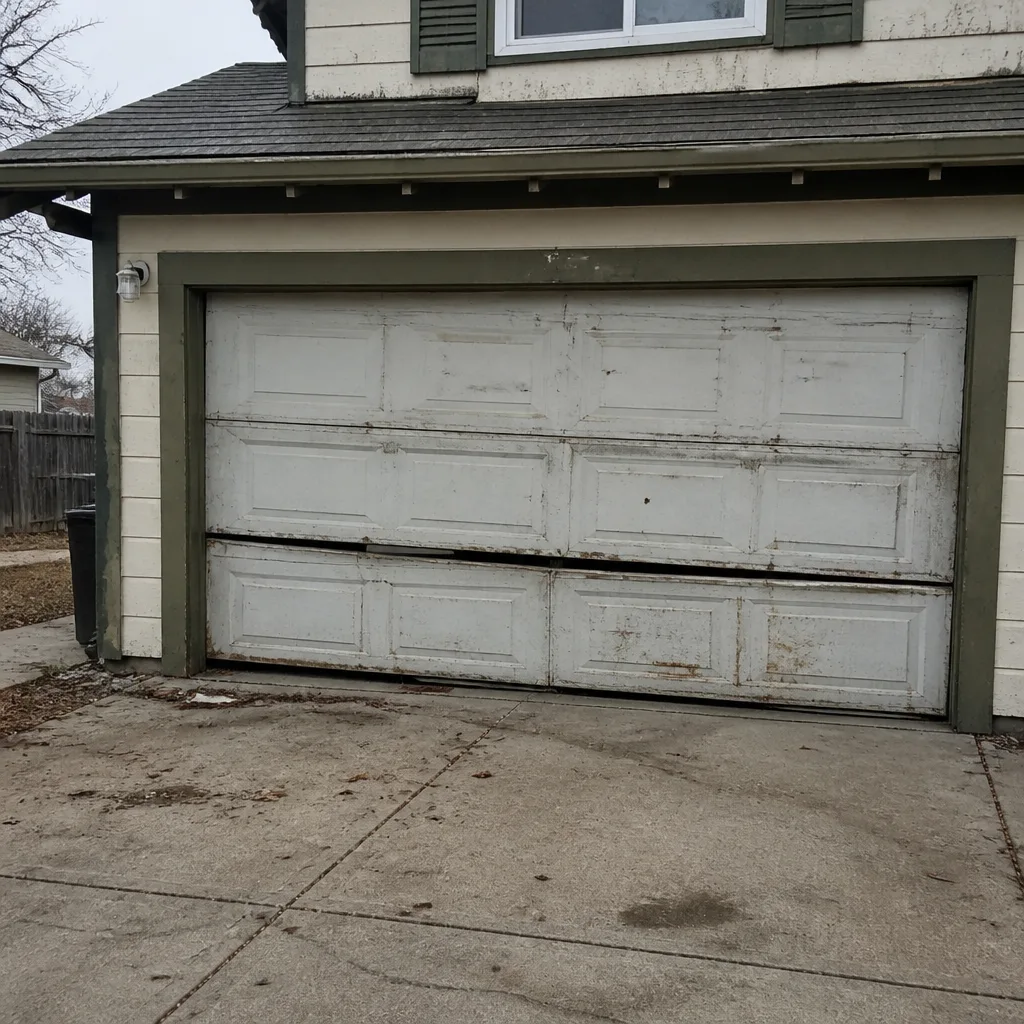 Before
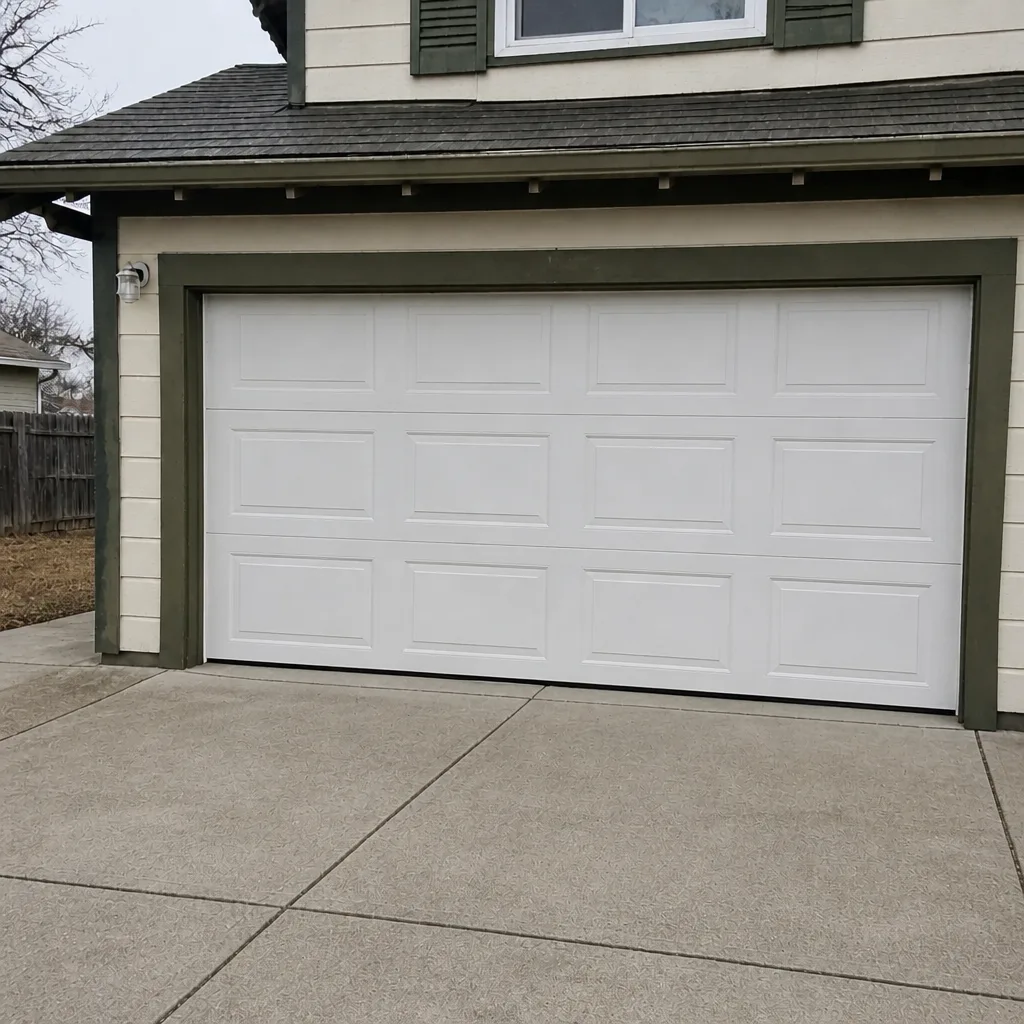 After
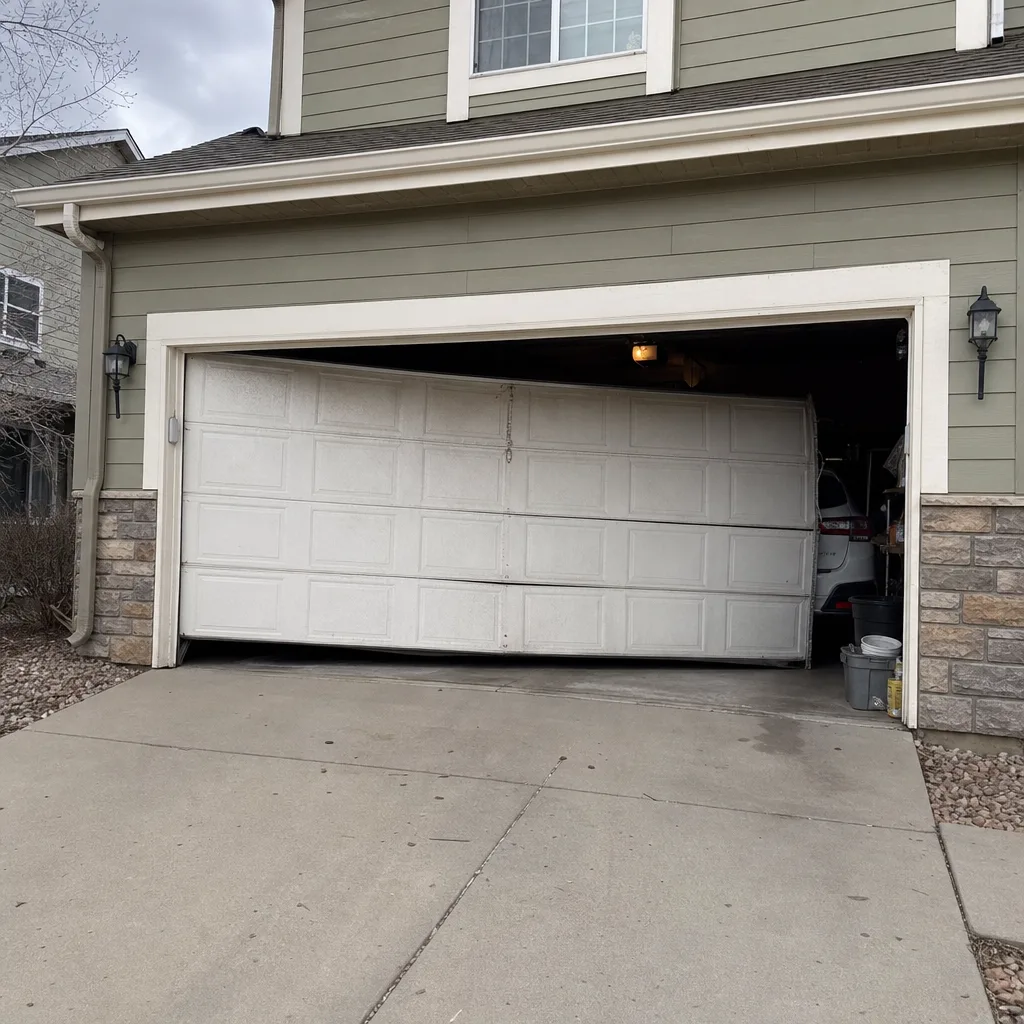 Before
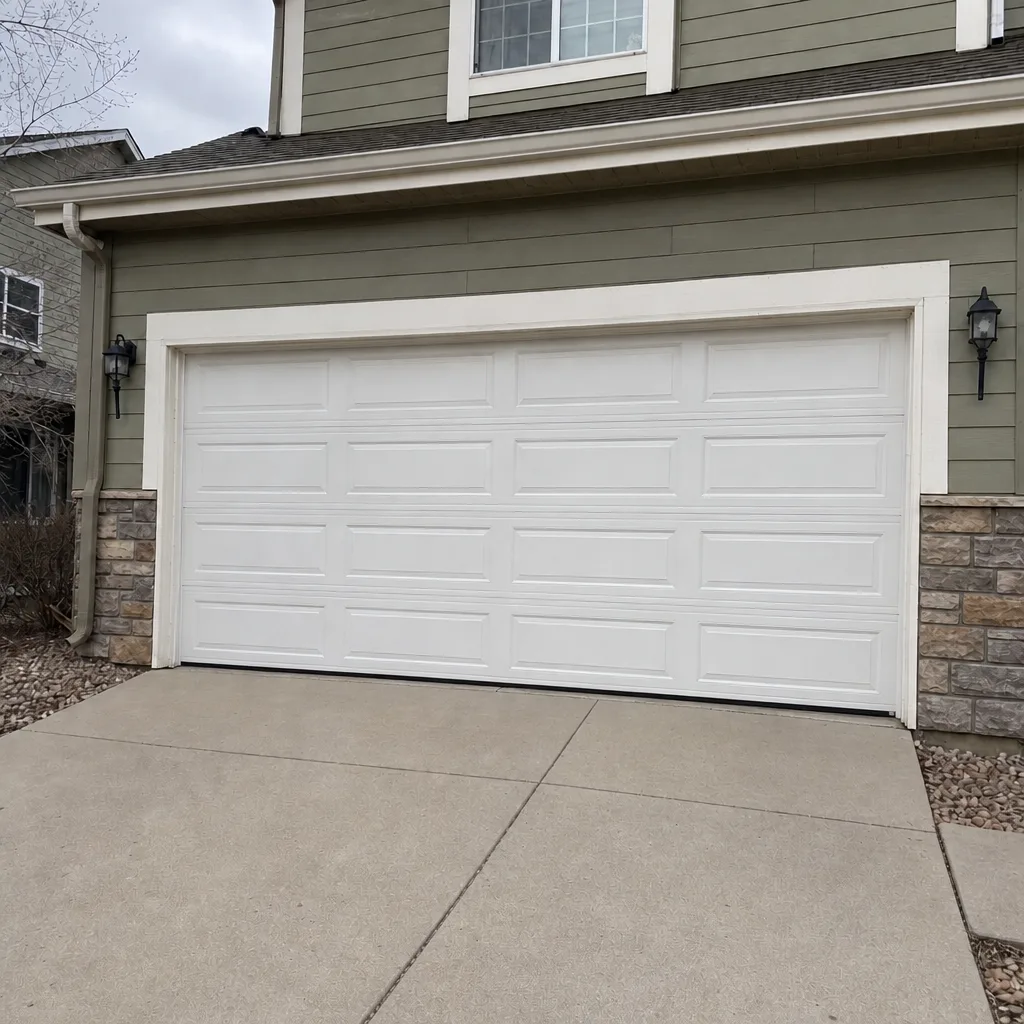 After
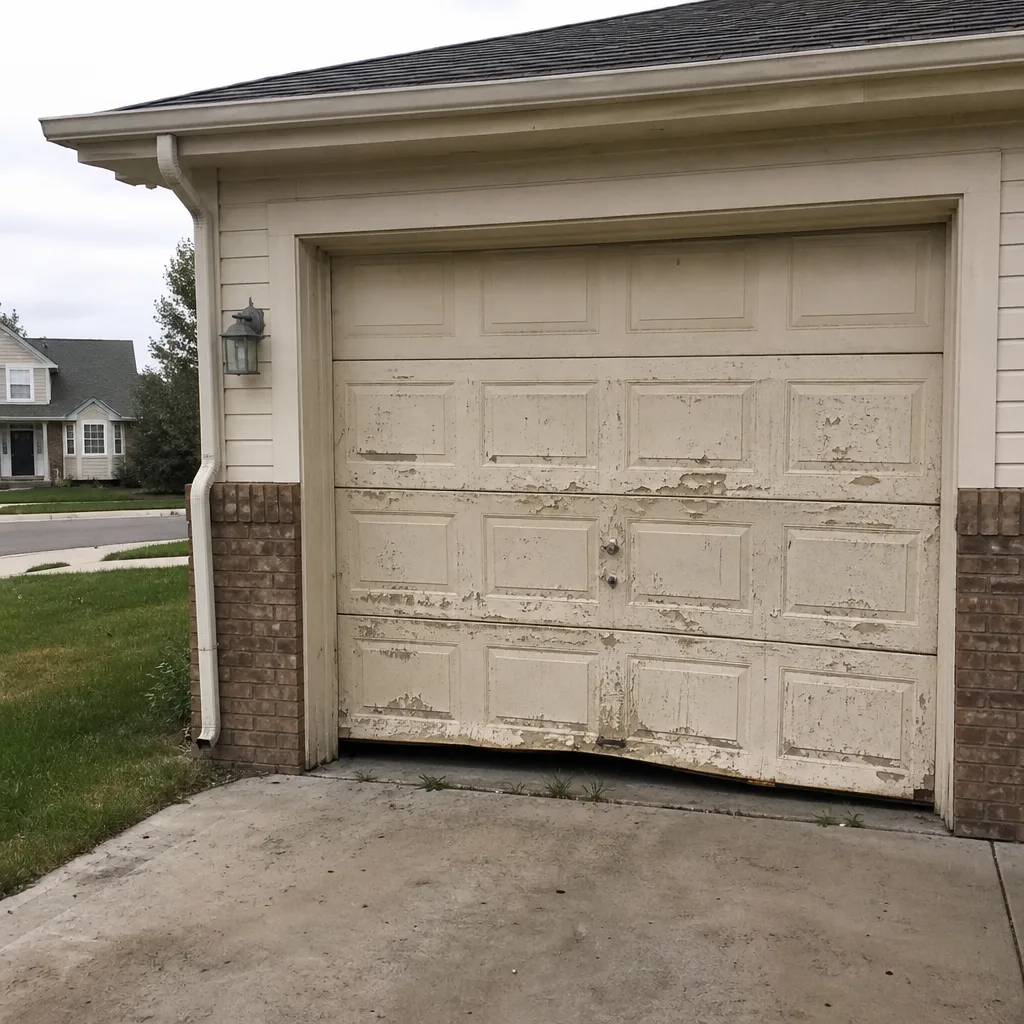 Before
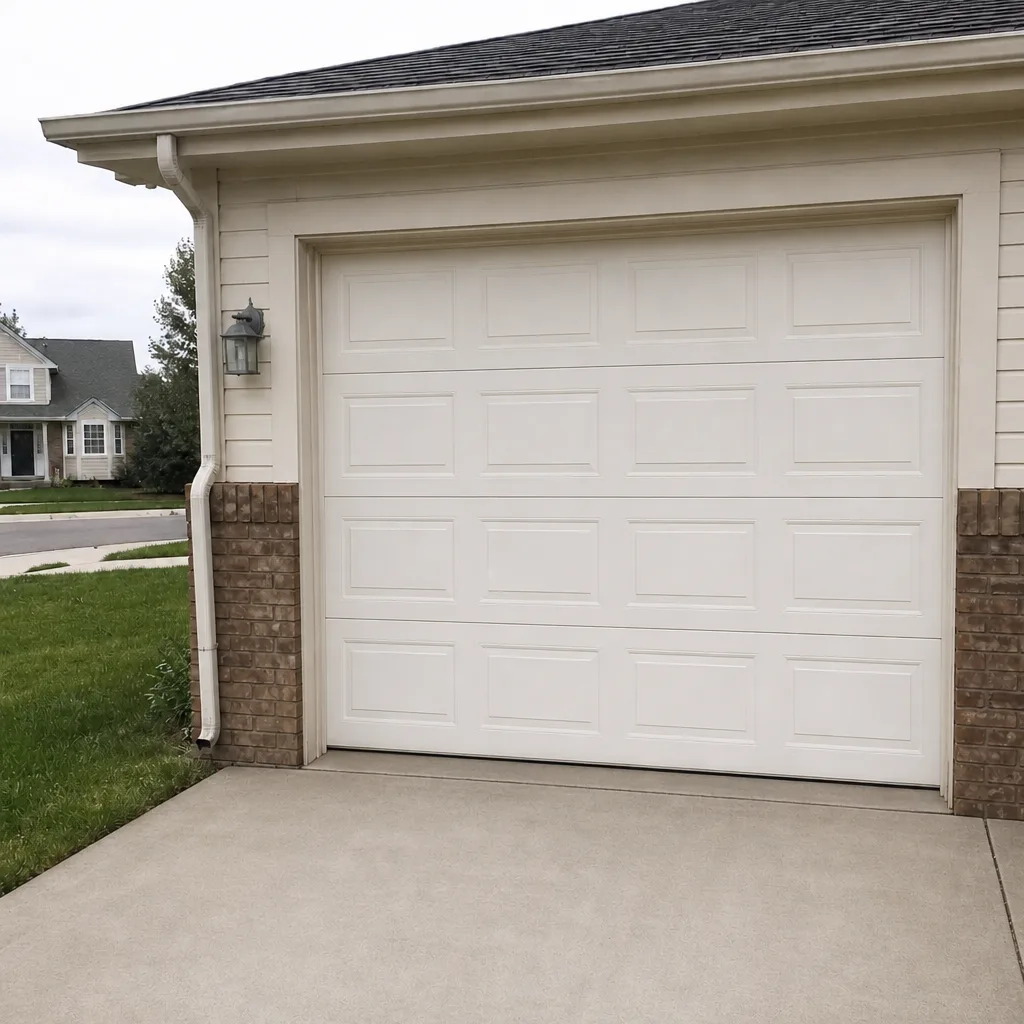 After
When to Call a Professional
Some items on this list are homeowner checks; a few are strictly a technician’s job. Call a professional if you see a gap in the spring coil, a spring that’s broken outright, a cable that’s frayed, kinked, or off the drum, or a door that’s come off its track. Don’t run a door with a damaged spring or cable. If the opener keeps reversing or behaving strangely after a reset, or if the door is unbalanced and won’t hold position when you let go, those are also technician items. Garage Door Repair Tallyn’s Reach offers free estimates in Tallyn’s Reach, and our technicians have up to 8 years of experience. Call (888) 847-8567 and we’ll get a written quote to you before any work starts.
Frequently Asked Questions
Once a year for a full professional inspection, with a homeowner check every month and a deeper lubrication and seal check every three months. In Tallyn’s Reach, the October check matters most because it happens before the cold. Monthly and quarterly checks are things you can do yourself. The annual inspection, spring tension, and balance are trained-technician work.
A silicone-based lubricant or white lithium grease. Silicone stays effective well below freezing, which matters through a Tallyn’s Reach cold snap. WD-40 is not the right product; it’s a cleaner and solvent that evaporates and leaves the metal dry. Use the right product on hinges and rollers, a very thin film on the track, and nothing on the springs or cables unless the manufacturer directs it.
Look for a visible gap between the coil windings of the torsion spring, and listen for a door that suddenly sounds labored or starts to squeal. A gapped spring usually gives out within about 30 days. Don’t try to test or adjust the tension yourself. Call a technician when you spot the gap.
Spring replacement runs roughly $180 to $340 for a single spring in this market, and a matched pair is usually replaced together, so a pair costs about twice that. Those are typical estimates, and the written quote sets the final price. Call (888) 847-8567 for an exact quote; estimates are free.
Yes, as long as you stay to the safe parts: hinges, rollers, the track, and the lock and handle. Don’t touch the springs, torsion bar, or cables. A homeowner-lubricated door, done with the right products every quarter, prevents a huge share of the repair calls we see in Tallyn’s Reach.
It prevents a lot of them. In our experience, most January repair calls trace back to something that could have been caught in October: a dry hinge, a bottom seal moving toward failure, a spring that showed a visible gap a month before it snapped. A fall inspection catches those while they’re cheap, and it’s the one item on this checklist that needs a technician. Call (888) 847-8567 for a free estimate before the cold arrives.
The Bottom Line
Maintenance is a sequence, not a spring-and-fall ritual. Monthly sound and visual checks catch the small stuff. Quarterly lubrication with silicone or white lithium, not WD-40, keeps the moving parts from grinding through the cold. The October deep check is the one that saves the January call, because it finds the gap, the seal, and the worn roller before the first freeze does. Photograph the seals, cables, and rollers so you can spot change over time. Leave springs, cables, and the torsion bar to a trained technician; a spring is not a DIY component. And keep a record, because that record is what protects your warranty when a claim comes up. If anything on this list looks off, don’t wait for it to fail. Call (888) 847-8567 for a free estimate and a written price before any work starts.
Written by the team at Garage Door Repair Tallyn’s Reach.