Last updated November 23, 2026
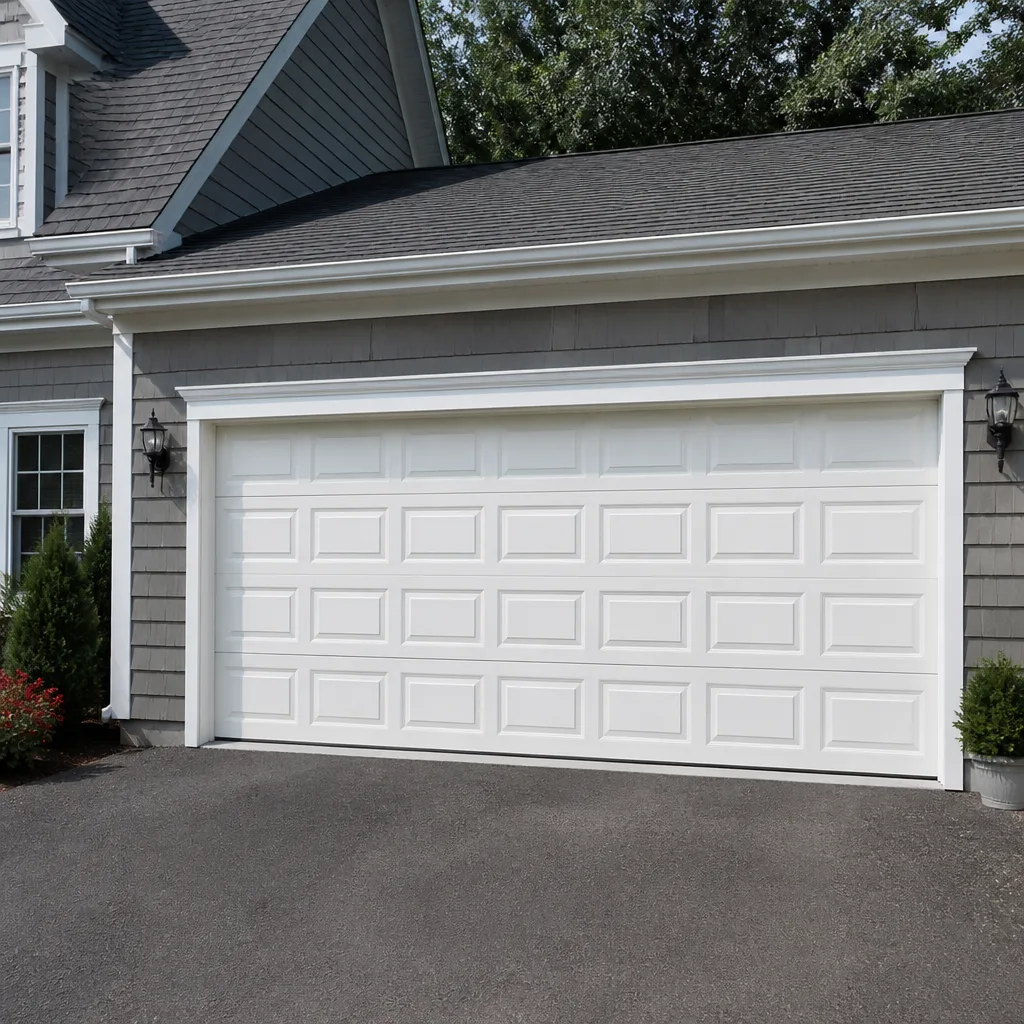 Raised-panel steel
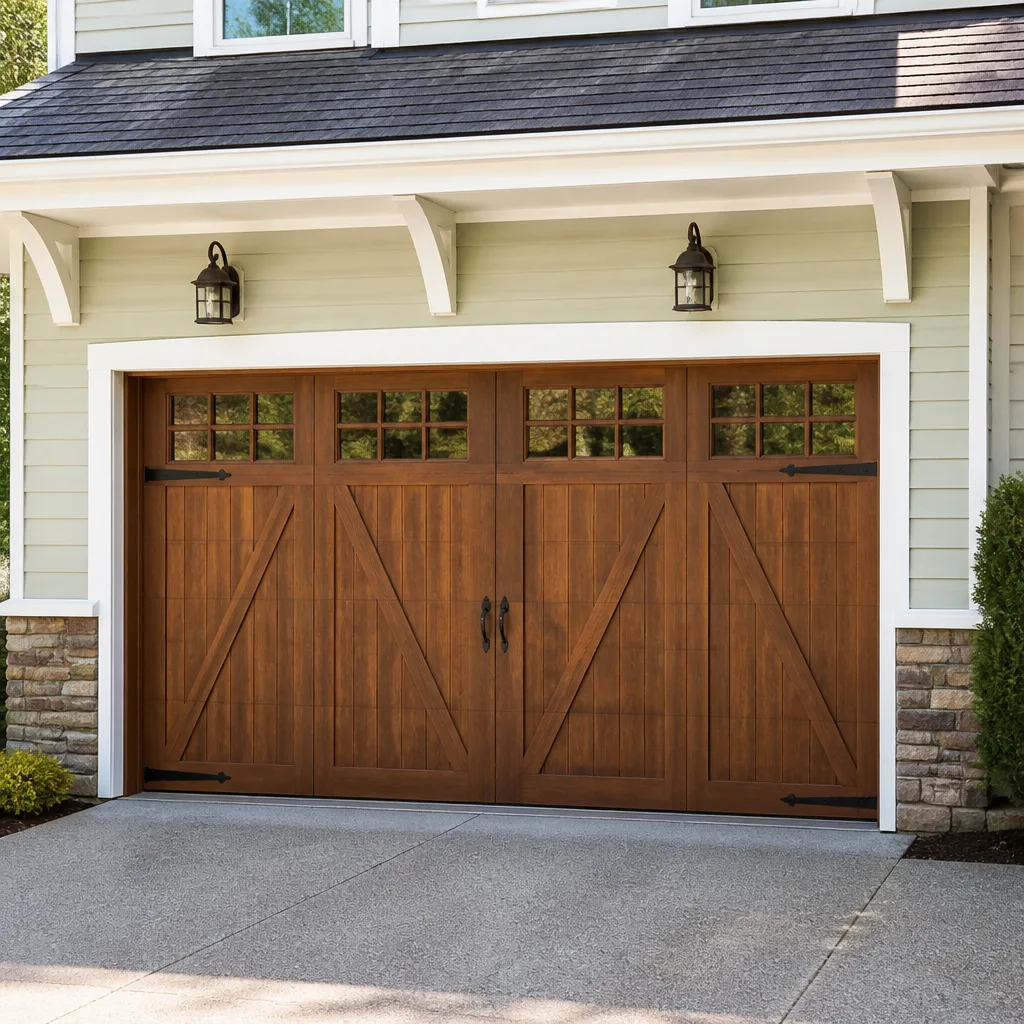 Carriage house
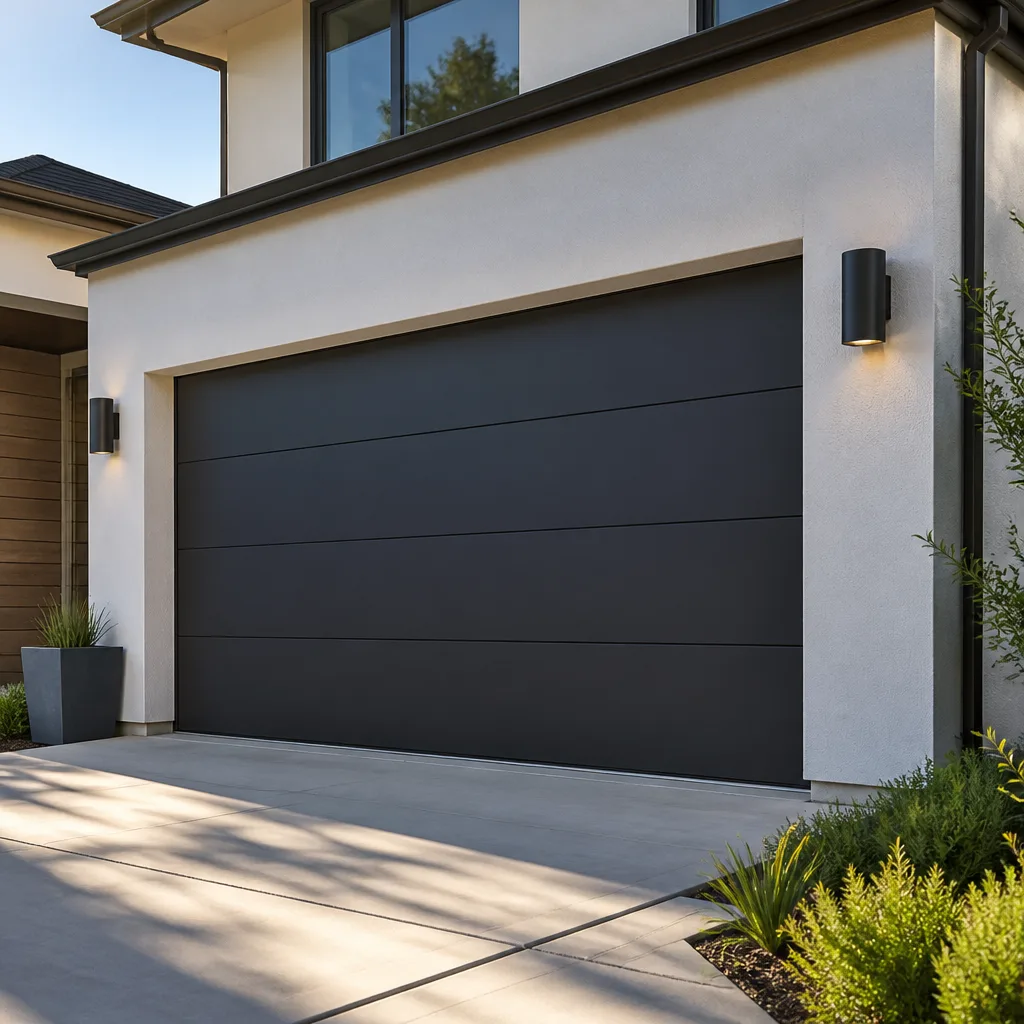 Modern flush
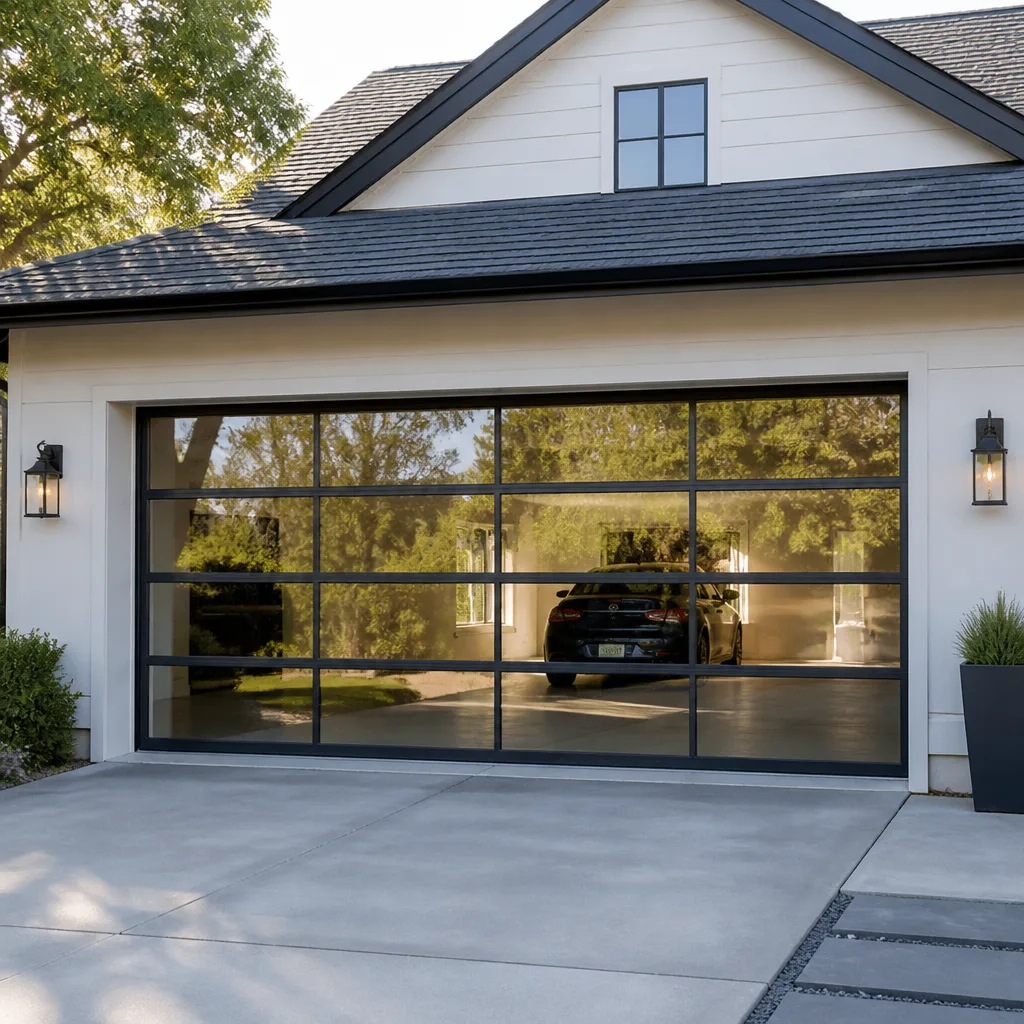 Full-view glass
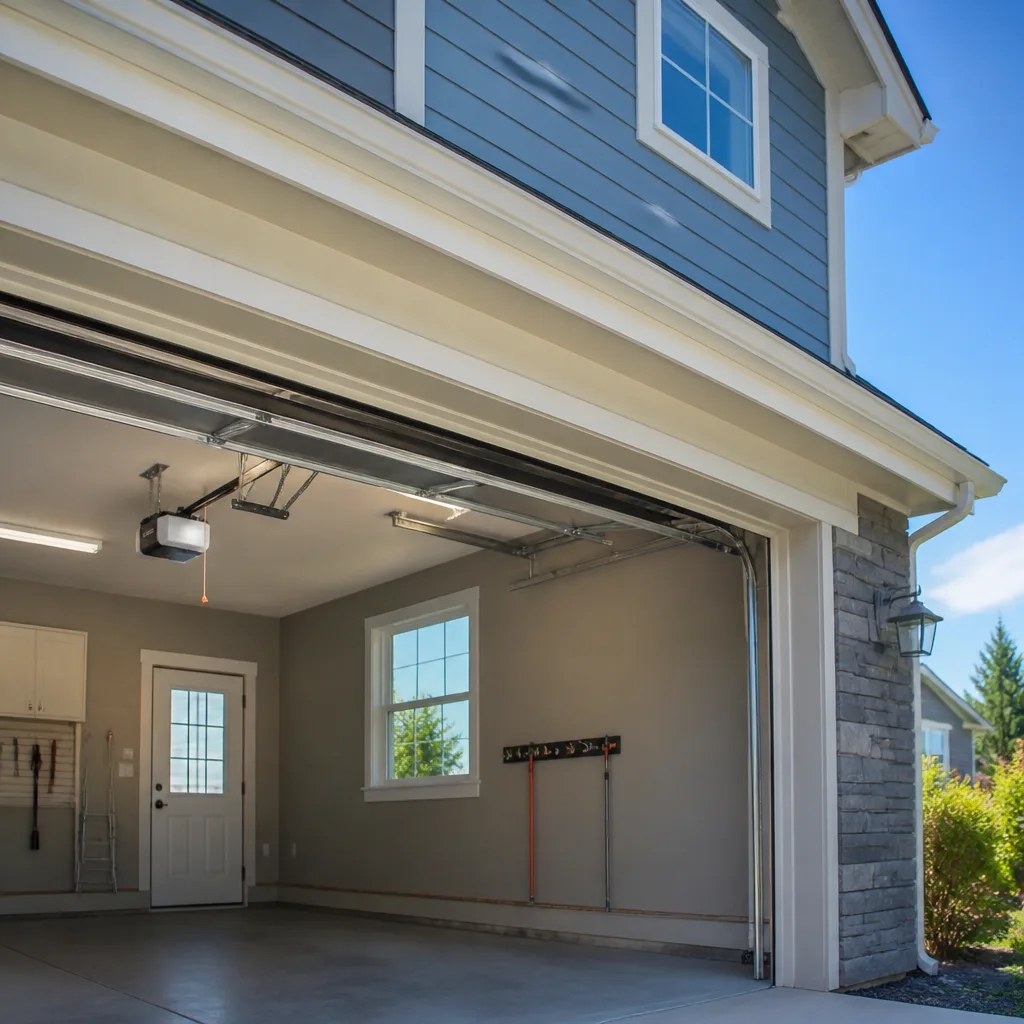 LiftMaster openers
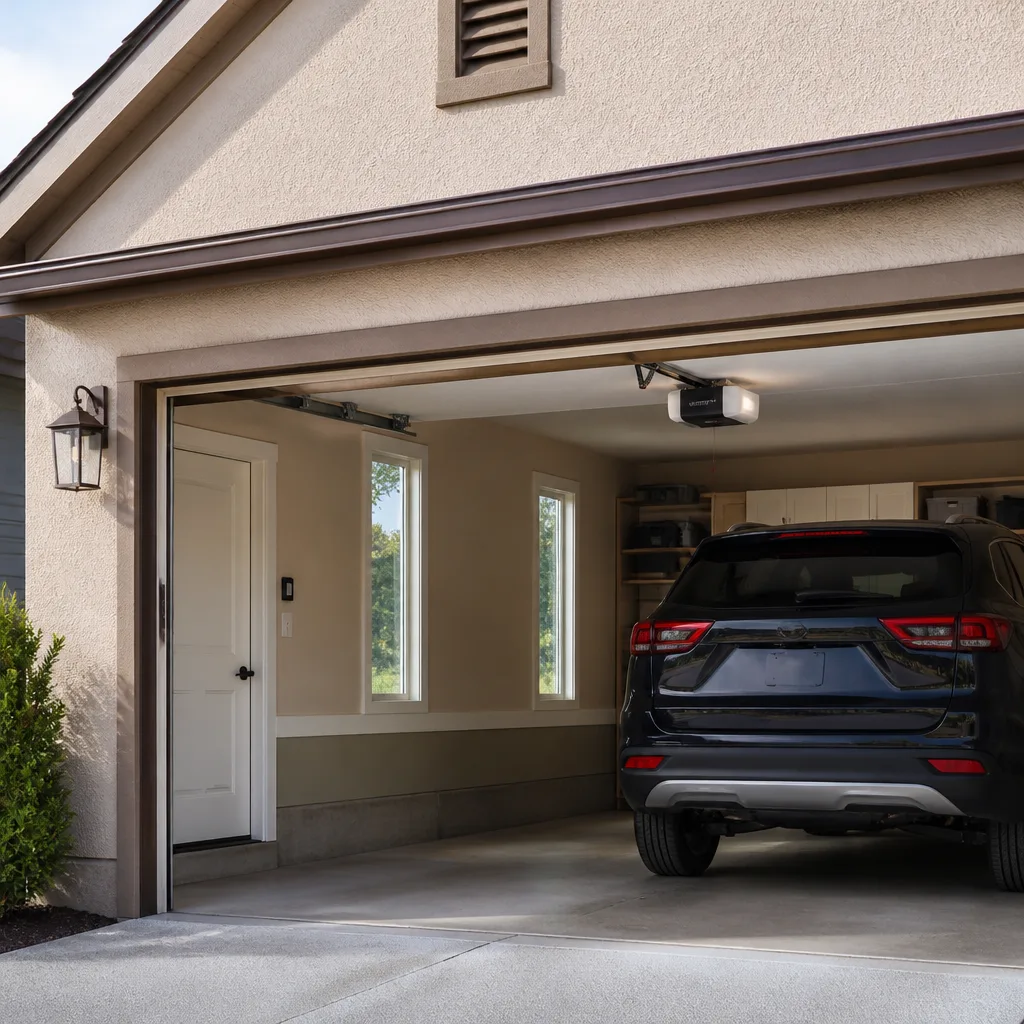 Chamberlain openers
Full 25-point door and opener safety check with every visit - springs, cables, rollers, tracks, and your LiftMaster or Chamberlain opener included
You get a price before we start. It does not change when the pro arrives.
Get your free estimateDIY vs Professional Garage Door: The Tallyn’s Reach Homeowner’s Decision Guide
The garage door is the one part of your home that combines a 200-plus pound moving panel, a high-torque motor, and springs under enough stored force to launch a person into a ceiling. That’s not a scare tactic; it’s physics. And it’s why the DIY versus professional question here isn’t really about whether you’re handy. Most Tallyn’s Reach homeowners who tackle a garage door project are perfectly capable people. The real question is which specific jobs carry injury risk or warranty consequences that make self-service a bad trade even when you know your way around a toolbox. This guide breaks the decision down task by task, with real cost comparisons and the local factors a tutorial video won’t mention.
Quick Answer
For most Tallyn’s Reach homeowners, DIY makes sense only for low-risk tasks like lubricating tracks, replacing weather seals, and tightening hardware. Anything involving torsion springs, cables, or opener electrical work belongs with a trained professional, because the injury risk is serious and DIY installation typically voids manufacturer warranty coverage. The savings on a DIY spring job usually land under $80 once you’ve bought parts, which is rarely worth the exposure.
Styles & brands we work with
- Raised-panel steel
- Carriage house
- Modern flush
- Full-view glass
- LiftMaster openers
- Chamberlain openers
Table of Contents
- Task-by-Task: What You Can Safely DIY and What You Can’t
- Cost Comparison for the Five Most Common Repairs
- Why Torsion Springs Are the Hard Line
- The Tools Torsion Work Requires (and Why Buying Them Rarely Pays)
- How DIY Affects Manufacturer Warranties
- What YouTube Misses About Tallyn’s Reach Installations
- When to Call a Professional
- Frequently Asked Questions
Task-by-Task: What You Can Safely DIY and What You Can’t
The line between DIY and professional garage door work is drawn by two things: stored energy and electrical systems. If a task involves either, hand it off. If it involves cleaning, adjusting, or replacing a wear item with no tension behind it, you’re fine.
Safe for a Competent Homeowner
- Lubricating hinges, rollers, and tracks with a proper garage door lubricant, a couple of times a year.
- Replacing the bottom weather seal, which slides out of its retainer and takes a few minutes.
- Tightening loose hinge and bracket bolts with a socket set.
- Cleaning and realigning photo-eye sensors on the opener, which is the most common cause of a door that won’t close.
- Replacing opener remote batteries and reprogramming remotes using the opener’s manual.
- Wiping down and repainting a steel door where the finish is fading.
Belongs With a Trained Professional
- Torsion spring replacement or adjustment, which is where most serious garage door injuries happen.
- Extension spring replacement, which carries its own stored-energy risk.
- Cable replacement, because cables are under the same tension as springs and can fail violently.
- Panel replacement on a door with a broken spring or bent track, since alignment has to be reset simultaneously.
- Opener replacement or logic board work, which involves 120-volt wiring.
- Track straightening or realignment, which requires releasing tension safely first.
For anything on the second list, the local professionals we connect Tallyn’s Reach homeowners with handle the job from setup through testing, and you can read more about that scope on our garage door repair page.
Cost Comparison for the Five Most Common Repairs
Here’s where the math gets interesting. DIY looks cheaper on paper until you price the tools, account for the occasional wrong part, and factor in the cost of a mistake that turns a small repair into a big one. The table below lays out the five repairs Tallyn’s Reach homeowners ask about most, with typical parts costs and typical professional ranges. All professional figures are estimates; the written estimate sets the final price.
- Torsion spring replacement (one spring): Parts typically $30-$70 for a standard spring. Professional estimate typically $180-$340 installed. A matched pair is usually replaced together, so a pair runs about twice that range.
- Opener replacement: Parts typically $130-$350 for a belt or chain drive unit. Professional estimate typically $350-$650 installed, including removal and haul-away.
- Bottom weather seal replacement: Parts typically $15-$40 for the seal. This is a genuine DIY job; professional installs are inexpensive but rarely worth a service call on their own.
- Single panel replacement: Panel cost varies widely by brand and model, and a pro will need to match your existing profile. Professional range depends heavily on the panel, so expect to ask for a written estimate on this one.
- Cable replacement: Parts typically $20-$50 per cable set. Professional estimate typically $150-$300 for the pair, which includes resetting spring tension safely.
The pattern is consistent. On springs and cables, the parts are cheap and the labor is the job. That’s the opposite of what most homeowners expect going in, and it’s why the savings on a DIY spring job in Tallyn’s Reach rarely exceed $80 after parts. Call (888) 847-8567 for a free estimate on any of these – we’ll tell you what the job actually involves for your door.
Why Torsion Springs Are the Hard Line
Torsion springs store energy by twisting, and when a spring fails or is released with the door in the wrong position, that energy goes somewhere. Often that somewhere is the winding bar, the door, or the person holding the tools. The reason professional spring work exists as its own dedicated service is not marketing; it’s that the procedure requires holding a specific number of turns on the spring while locking the door in position, and getting the count wrong means the door either won’t balance or will slam.
A typical torsion spring job for a Tallyn’s Reach homeowner has a predictable shape. Here’s how it usually goes when handled correctly:
- The technician confirms the door is fully closed and locked so no tension can move through the system.
- Spring tension is released in a controlled sequence using the correct winding bars, one quarter turn at a time.
- The failed spring is measured for wire gauge, inside diameter, and length so the replacement matches the door’s weight and the altitude’s effect on the door’s travel.
- The new spring is installed, wound to the specified turns, and the door is tested through a full open-close cycle to verify balance and reversal.
- The opener’s force settings and travel limits are checked or reset so the opener isn’t fighting a door that’s now correctly balanced.
None of this is impossible to learn. But it’s not a skill you want to acquire on your own door, with your own hands, the first time. A spring that lets go under load doesn’t give a warning. If your garage door spring has already failed, that’s the one job we’d never suggest you try yourself. A trained professional can be on the job with the right parts on hand.
The Tools Torsion Work Requires (and Why Buying Them Rarely Pays)
Here’s the honest accounting on tools. The specialty items for torsion spring work aren’t exotic, but they add up, and they don’t do anything else around the house afterward.
- A pair of proper winding bars sized to the spring cone – the critical safety tool, since a bar that doesn’t seat fully can slip.
- C-clamps or locking pliers to hold the door in position and prevent it from rising while you work.
- A socket set in the correct sizes for the set screws and bracket bolts.
- A torque or winding-count reference matched to your spring size and door weight.
- Safety glasses and heavy gloves.
- A tape measure for measuring wire gauge and spring length, which you’ll need to order the correct replacement.
If you already own the socket set and clamps, the specialty cost is the winding bars plus the replacement spring. That sounds cheap. But the tools only become an investment if you plan to do this more than once, and most Tallyn’s Reach homeowners will replace a spring once every several years at most. Buying $50 to $100 in single-use tools to save a labor charge is a bad trade on the first job, and there’s no second job coming to amortize it. When the work involves a spring, you’re usually better off paying for the labor and skipping the tool purchase entirely.
How DIY Affects Manufacturer Warranties
This is the part most homeowners don’t find out about until they need it. The major manufacturers cover their products under specific terms, and those terms typically assume installation by a licensed technician. When a homeowner installs a spring, an opener, or a full door themselves, the manufacturer can treat the work as out of scope and decline a warranty claim later.
The pattern shows up across the brands we service:
- Opener warranties on units from LiftMaster, Chamberlain, Genie, and Craftsman usually hinge on professional installation, and a homeowner install can void coverage for motor and logic board failures.
- Spring warranties on products from door manufacturers like Clopay, Amarr, and Wayne Dalton commonly require professional installation and sometimes professional adjustment, since a spring wound to the wrong turns fails prematurely.
- Door panel and section warranties can be affected by installation errors like a bent track or an out-of-square opening, which show up as finish and alignment problems months later.
So a homeowner who installs a Clopay door themselves isn’t just risking a bad install; they may be giving up the coverage that would have paid for the fix. That’s a real cost, and it’s usually larger than the labor you saved. When we install a door or an opener, we can work with the manufacturer’s warranty terms so the coverage stays intact. You can read about that scope on our garage door installation page.
What YouTube Misses About Tallyn’s Reach Installations
A tutorial filmed in a flat, low-altitude suburb won’t necessarily apply to your Tallyn’s Reach garage, and the gaps matter. Three things in particular trip up DIY installs here.
Altitude and door travel
Tallyn’s Reach sits at elevation, and while that doesn’t change the physics of a torsion spring, it does affect how a door feels to the opener and how force settings need to be dialed in. A door that was balanced at sea level may need a different spring balance at altitude, and an opener whose force settings were never adjusted for the local condition will trip its safety reverse more often. A pro who works in Tallyn’s Reach knows the local pattern and sets the door and opener together.
Opener compatibility
The smart-home opener market has moved fast. A newer LiftMaster or Chamberlain with myQ connectivity has different wiring, travel-limit, and safety-reverse requirements than a Genie or a 20-year-old Craftsman. Installing a new opener behind an existing wall button or a legacy safety sensor setup is where DIY installs commonly end up with a door that won’t close or a remote that won’t pair. A technician who services all eight major brands can match the opener to the door and to your existing wiring on the first visit.
Local code compliance
Garage door installations have code requirements around safety reversing and entrapment protection, and those requirements are set locally. We don’t publish code sections here because your city’s building department is the authority on what applies to your address. If you’re installing a new door or opener, confirm the requirements with the city before the work begins. And if the install is part of a larger project or a home sale, the inspection paperwork matters as much as the door.
You can review our full range of services, from garage door opener repair to new installs, on our main page for garage door repair Tallyn’s Reach.
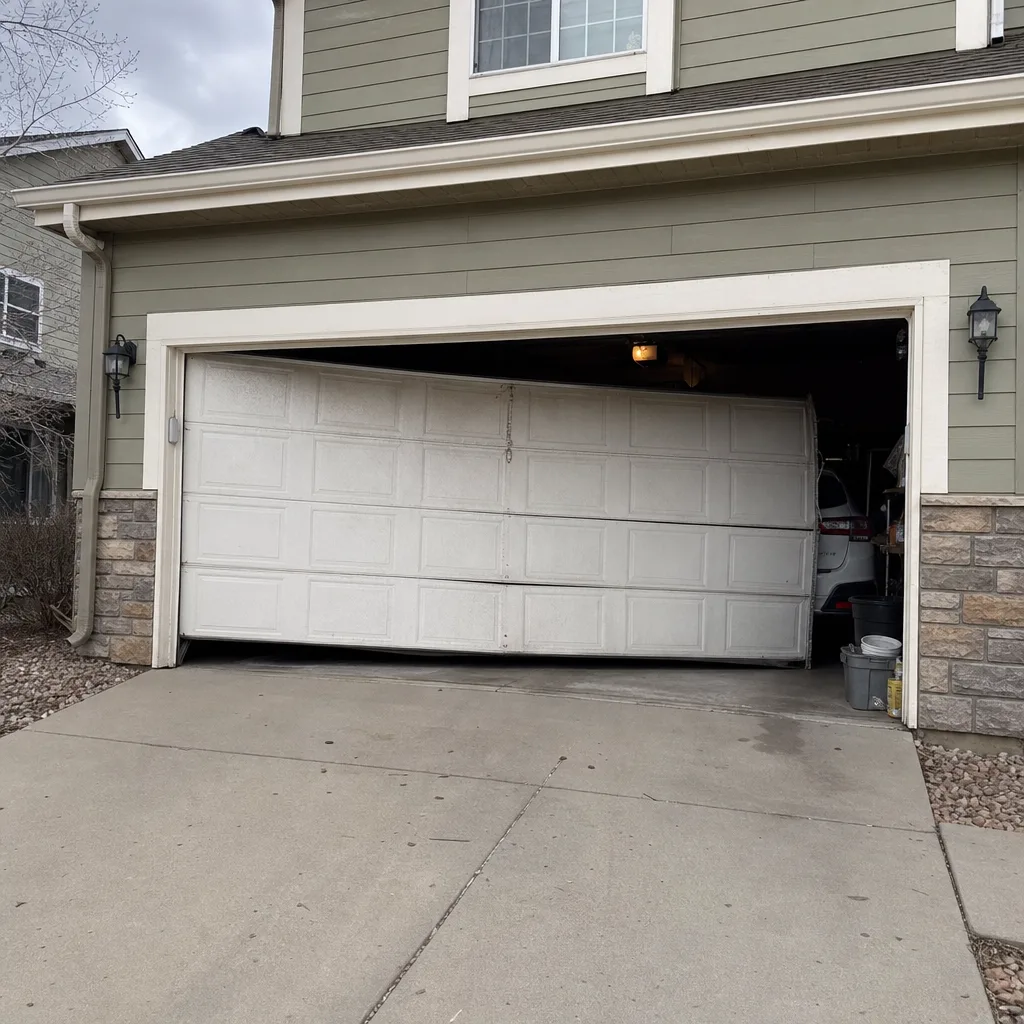
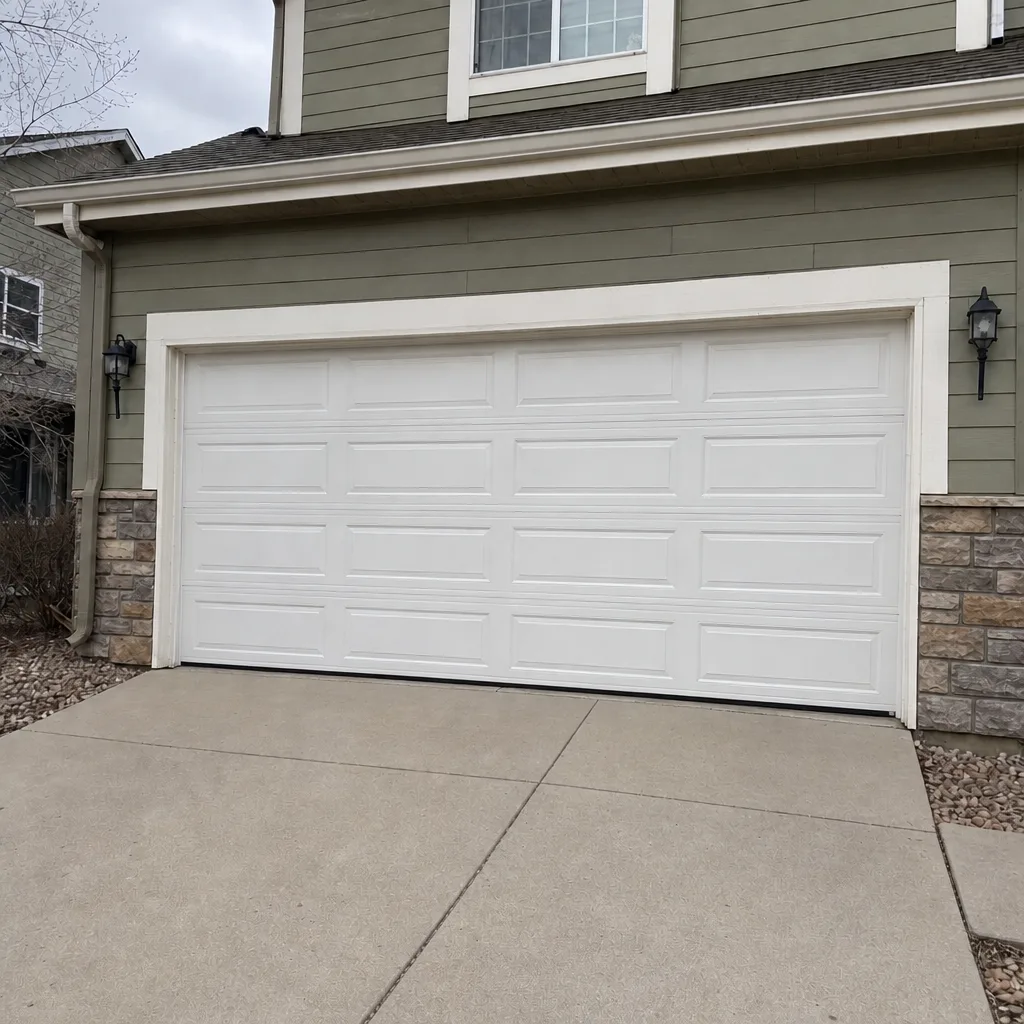
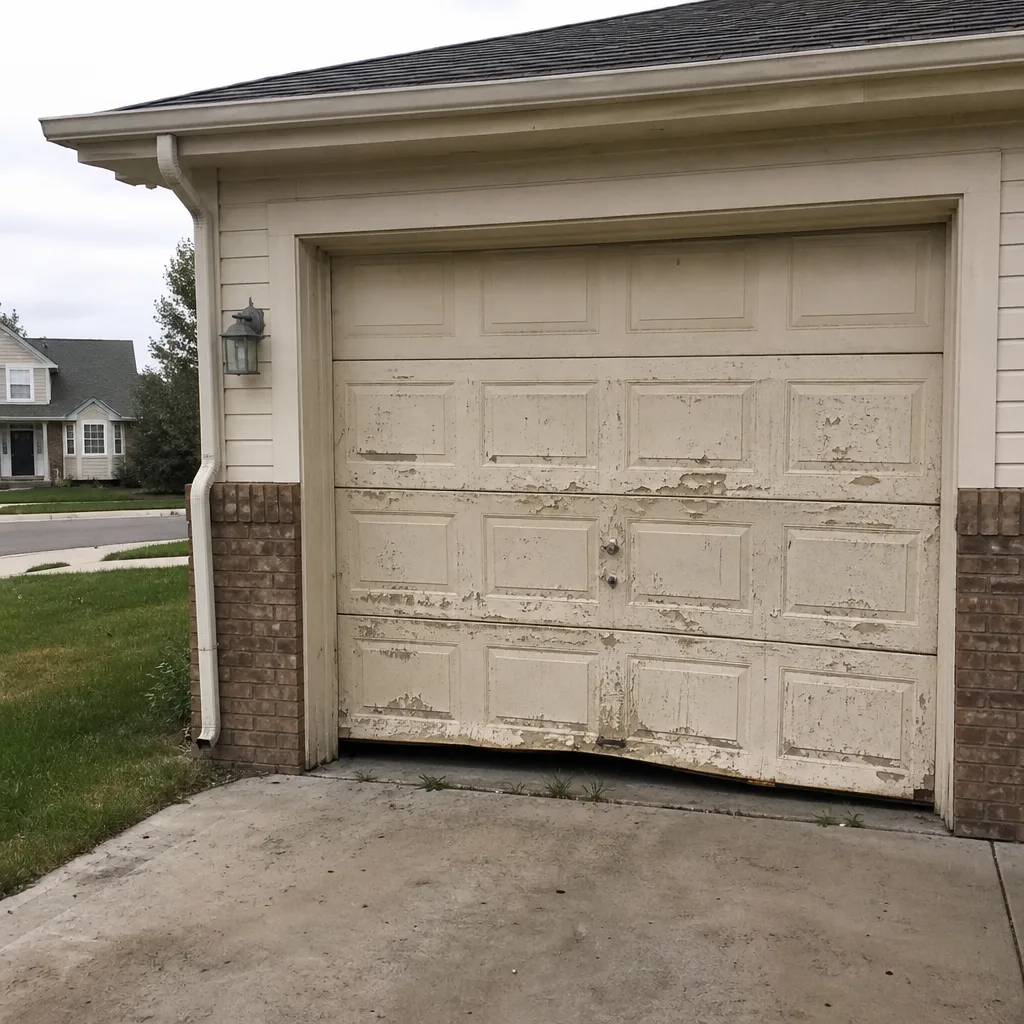
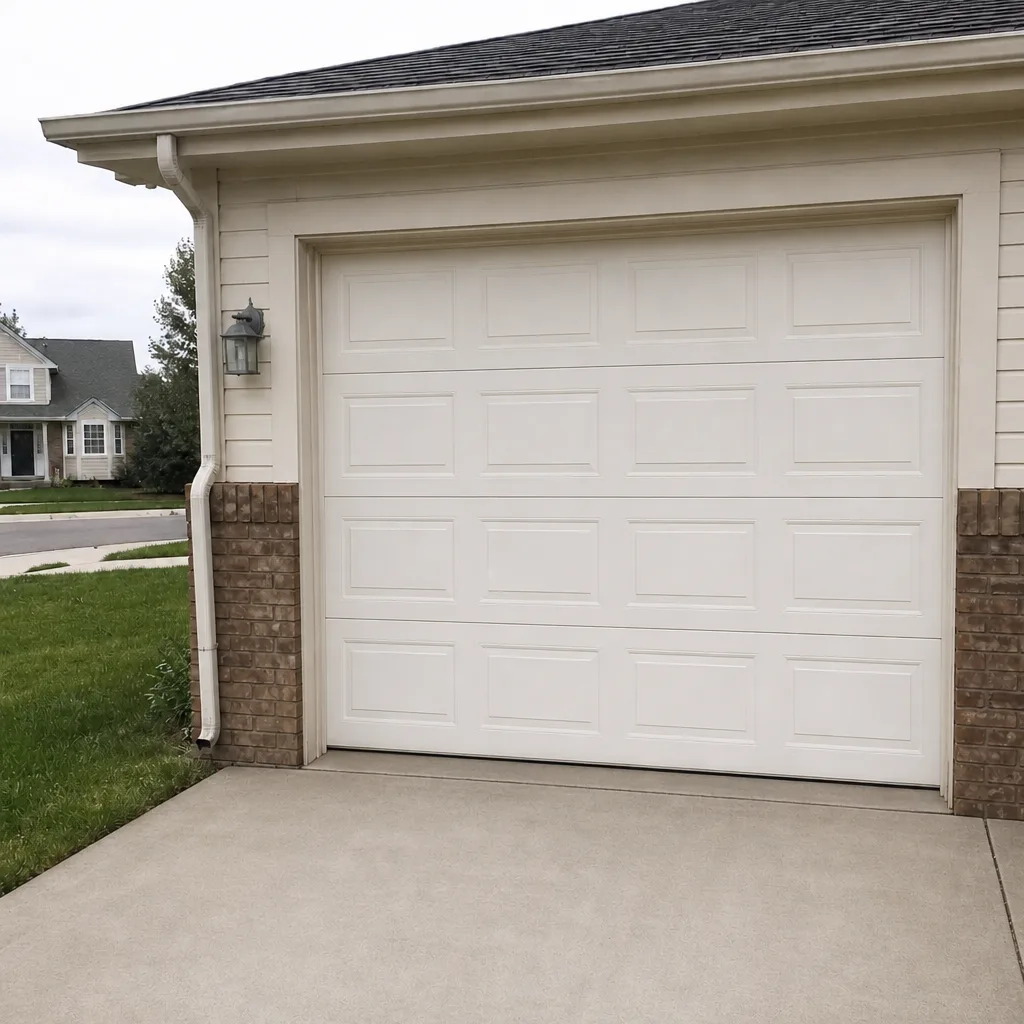
See the difference
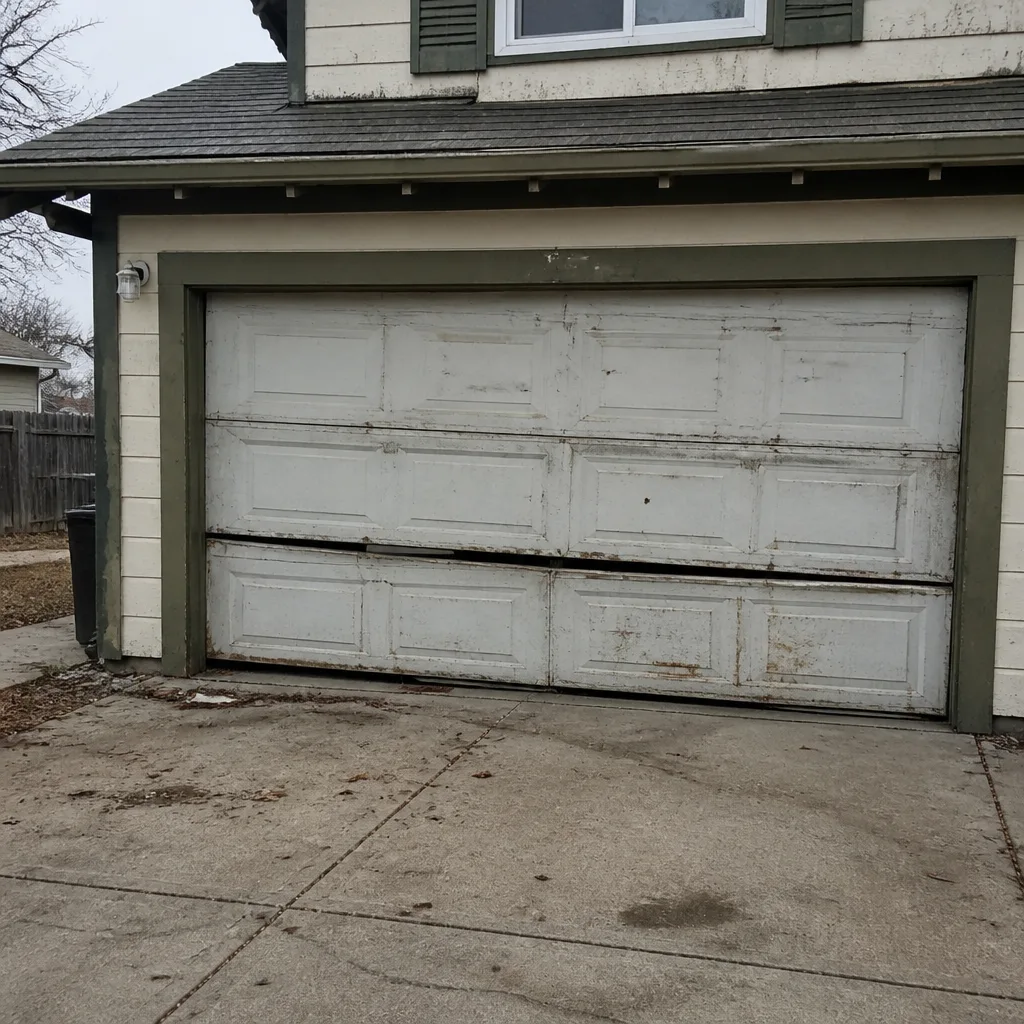 Before
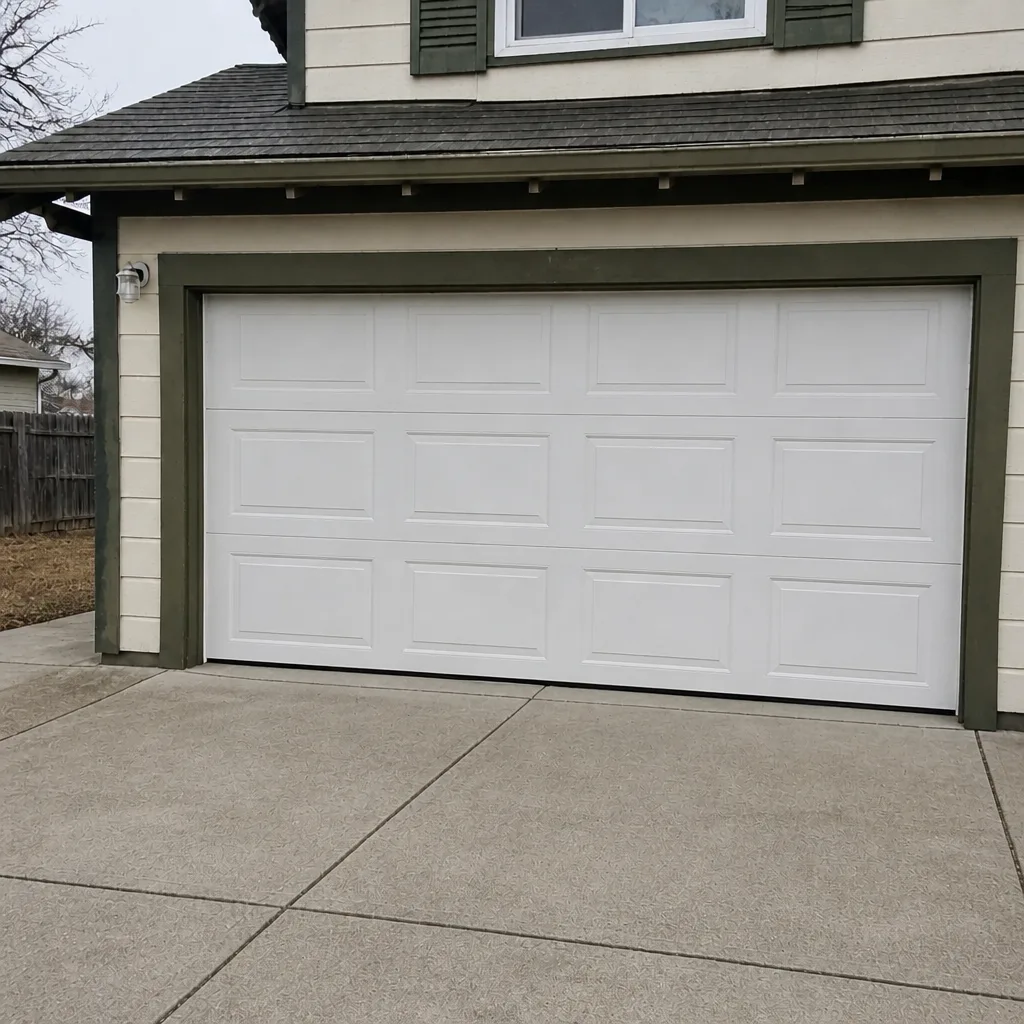 After
 Before
 After
 Before
 After
Common Mistakes to Avoid
- Attempting a torsion spring replacement without winding bars. Using a screwdriver or a socket extension in place of a proper bar is how most serious injuries happen – the tool slips under load, and there is no second chance to catch it.
- Buying a replacement spring by length alone. Wire gauge and inside diameter determine the spring’s rating, and a mismatched spring will fail early or leave the door unbalanced. Measure all three or let a professional spec it.
- Installing an opener and skipping the force and travel-limit adjustments. A new opener set to factory defaults on an older door will trip its safety reverse and cause the door to stop or reverse on its own. The setup is as important as the install.
- Assuming a warranty will cover a DIY install. Most manufacturer warranties on openers and springs assume a licensed technician did the work. Confirm the terms before you start, not after a failure.
- Straightening a bent track with the door still under spring tension. The track is only one part of the alignment, and releasing the wrong component first can send the door off the rails. This is a professional job.
- Ignoring local code requirements for safety reversing. A door installed without proper entrapment protection can fail an inspection or a resale, and the fix is often a full rework. Ask your city’s building department before you install.
- Buying tools for a job you’ll do once. Winding bars and specialty sockets don’t earn their cost back on a single spring replacement. Let the labor be someone else’s investment.
When to Call a Professional
Call a professional the moment a garage door problem involves springs, cables, tracks, or electrical work – that’s the short version. More specifically: call if a spring has snapped, if the door is hanging crooked or off one track, if the opener hums but doesn’t move the door, if you hear a loud bang from the garage, or if the door reverses without an obstruction. These are the situations where a wrong move turns a repair into a replacement. If you’re simply unsure whether a job is safe, that uncertainty is itself a reason to call. Garage Door Repair Tallyn’s Reach offers free estimates in Tallyn’s Reach – call (888) 847-8567. We’re open Sunday through Friday, 7am to 7pm, and closed Saturday. Our technicians have up to 8 years of experience, and we can tell you whether your door needs a repair, a part, or a full replacement before any work begins. The price is quoted and agreed before we start.
Frequently Asked Questions
You can, physically, but we don’t recommend it. Torsion springs store enough energy to cause serious injury when they fail or are released incorrectly, and the savings after parts rarely exceed $80. A trained professional should handle spring work, and we can do it with the correct spring on hand. Call (888) 847-8567 for a free estimate.
Often, yes. Most major opener manufacturers, including LiftMaster, Chamberlain, Genie, and Craftsman, tie warranty coverage to professional installation. A homeowner install can void coverage for motor and logic board failures. Check your opener’s terms before you start – and if you’d rather not risk it, call (888) 847-8567.
For one spring, a typical professional estimate is $180-$340 installed, with parts typically $30-$70. A matched pair is usually replaced together, so a pair costs about twice that range. Call (888) 847-8567 for an exact quote – estimates are free.
The local professionals we connect you with are licensed and insured as their state requires, and our technicians have up to 8 years of experience. If you need the specifics for a job, ask when you call and we’ll cover it before booking.
For repair and emergency topics, we do our best to get a technician out quickly, and you can call us at (888) 847-8567 to check availability. We’re open Sunday through Friday, 7am to 7pm, and closed Saturday. For installations, we schedule a free measure and written price instead.
It can affect how the door and opener interact, particularly the opener’s force settings and safety reverse behavior. A door balanced at a lower altitude may need adjustment at Tallyn’s Reach’s elevation, and a professional set-up accounts for that. Call (888) 847-8567 if your door reverses or stops without reason.
The Bottom Line
The DIY versus professional question for a garage door comes down to two lines you shouldn’t cross: stored energy and electrical systems. Lubricating tracks, replacing a weather seal, realigning photo eyes, and tightening hardware are genuinely safe homeowner jobs. Torsion springs, cables, track realignment, and opener electrical work are not, and the warranty math makes self-install even less attractive once you factor in voided manufacturer coverage. If you’re in Tallyn’s Reach and the job involves a spring, a cable, or an opener, the wiser move is to call a professional, get a written estimate, and let the labor be someone else’s responsibility. Call (888) 847-8567 for a free estimate.
Written by the team at Garage Door Repair Tallyn’s Reach.