Last updated November 23, 2026
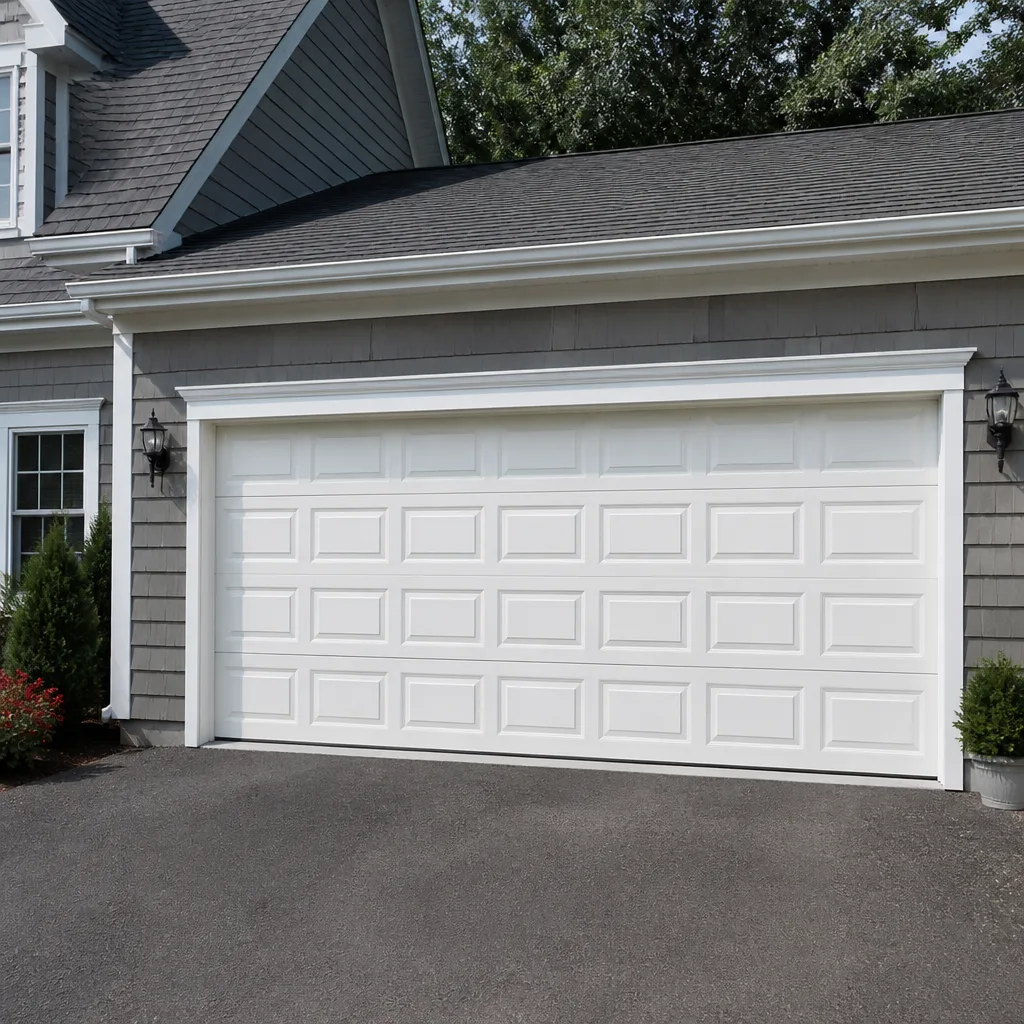 Raised-panel steel
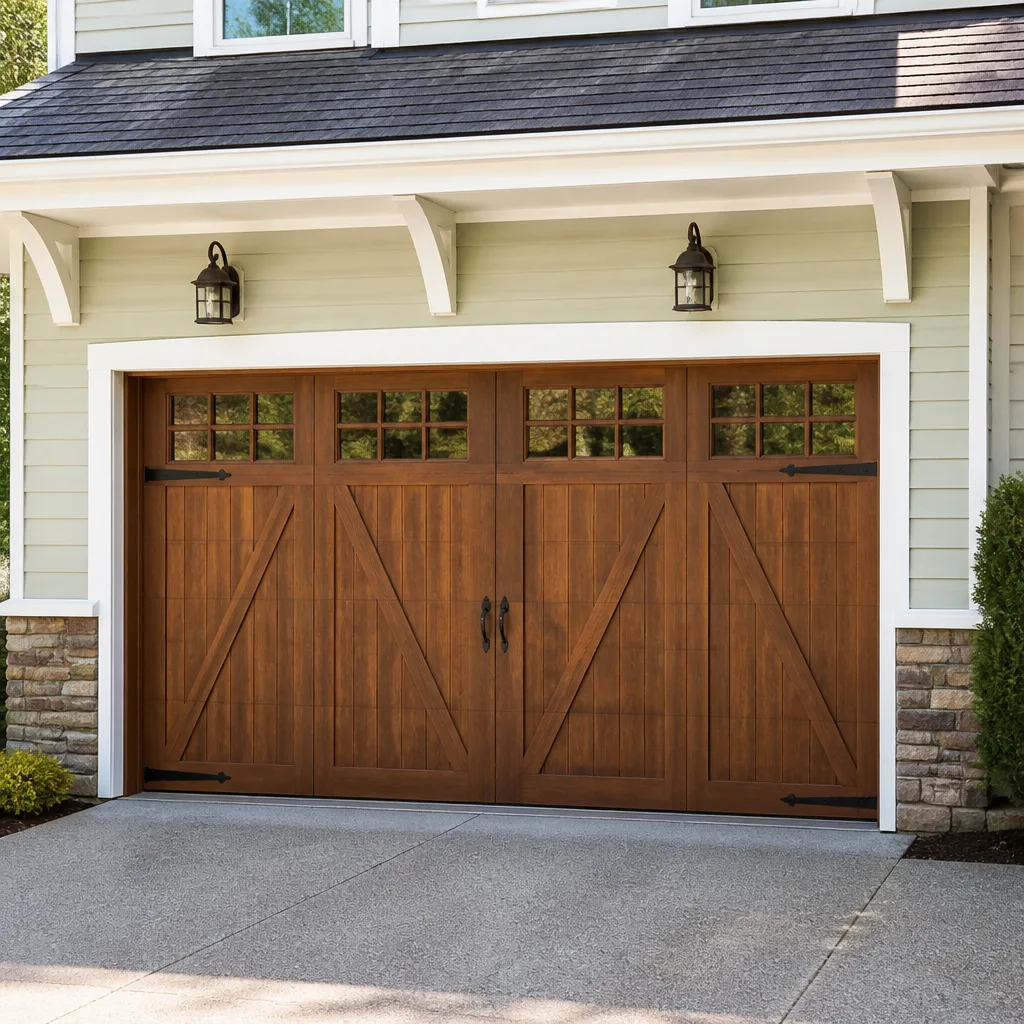 Carriage house
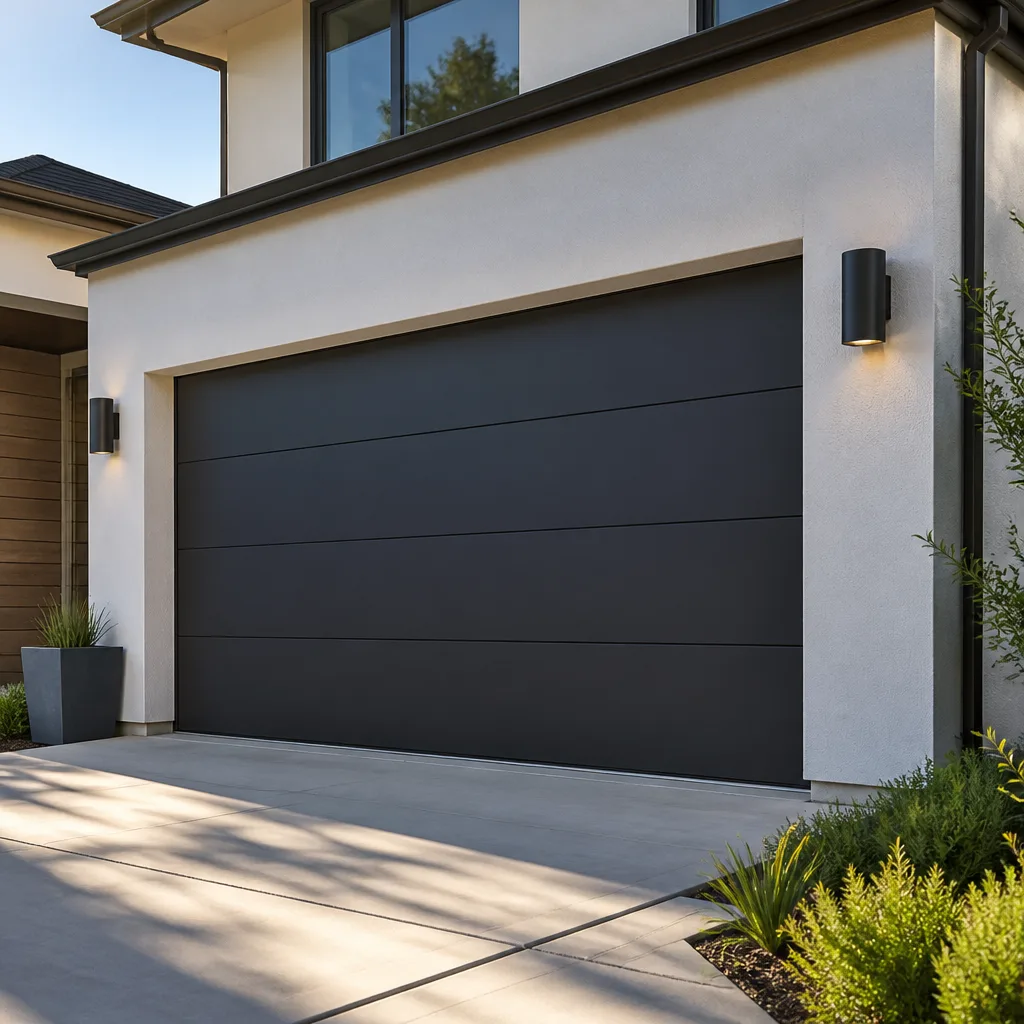 Modern flush
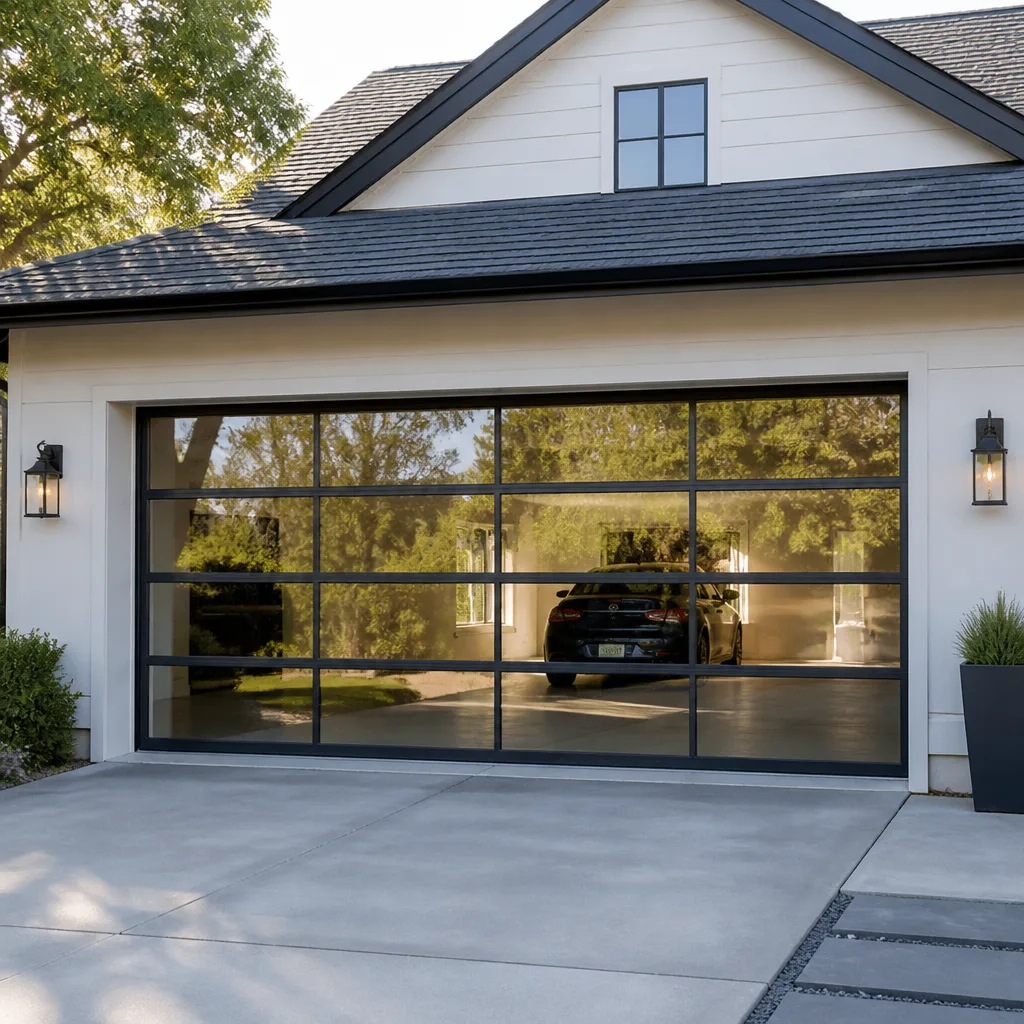 Full-view glass
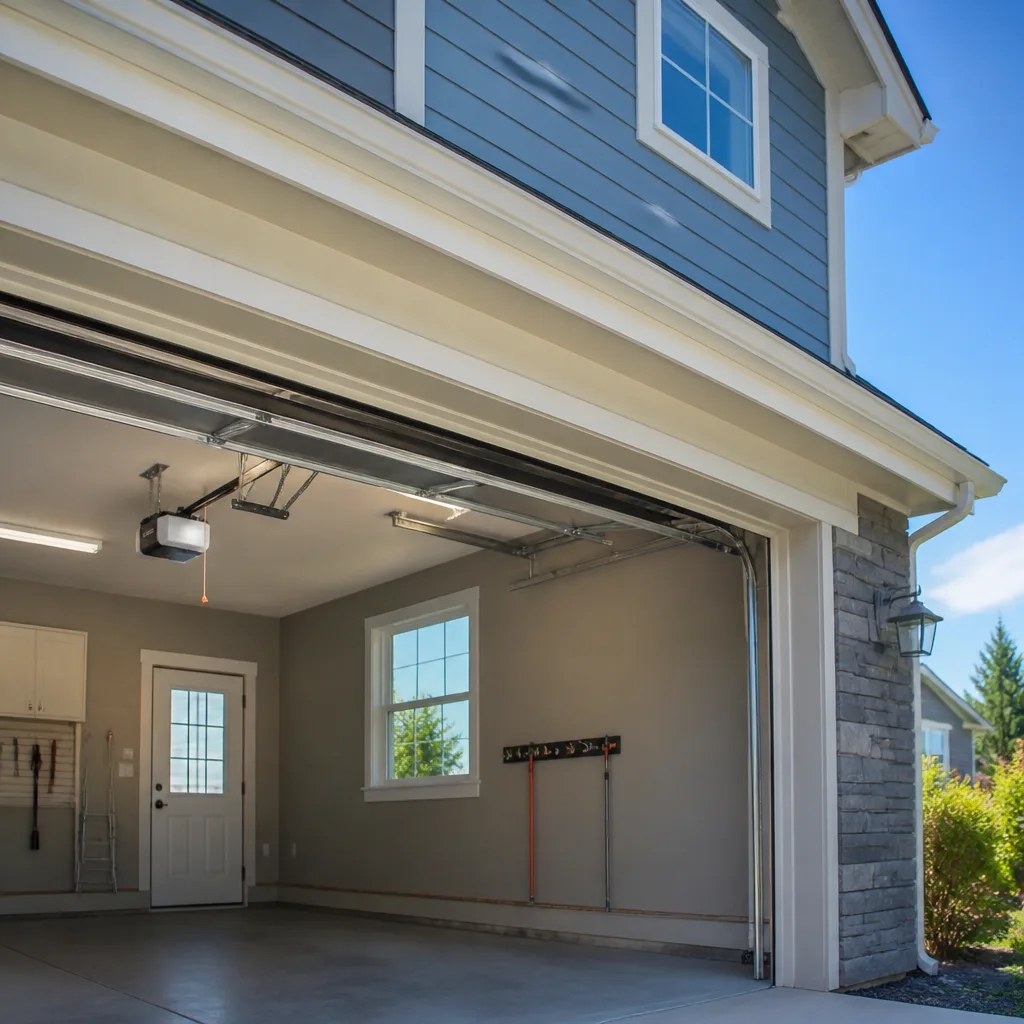 LiftMaster openers
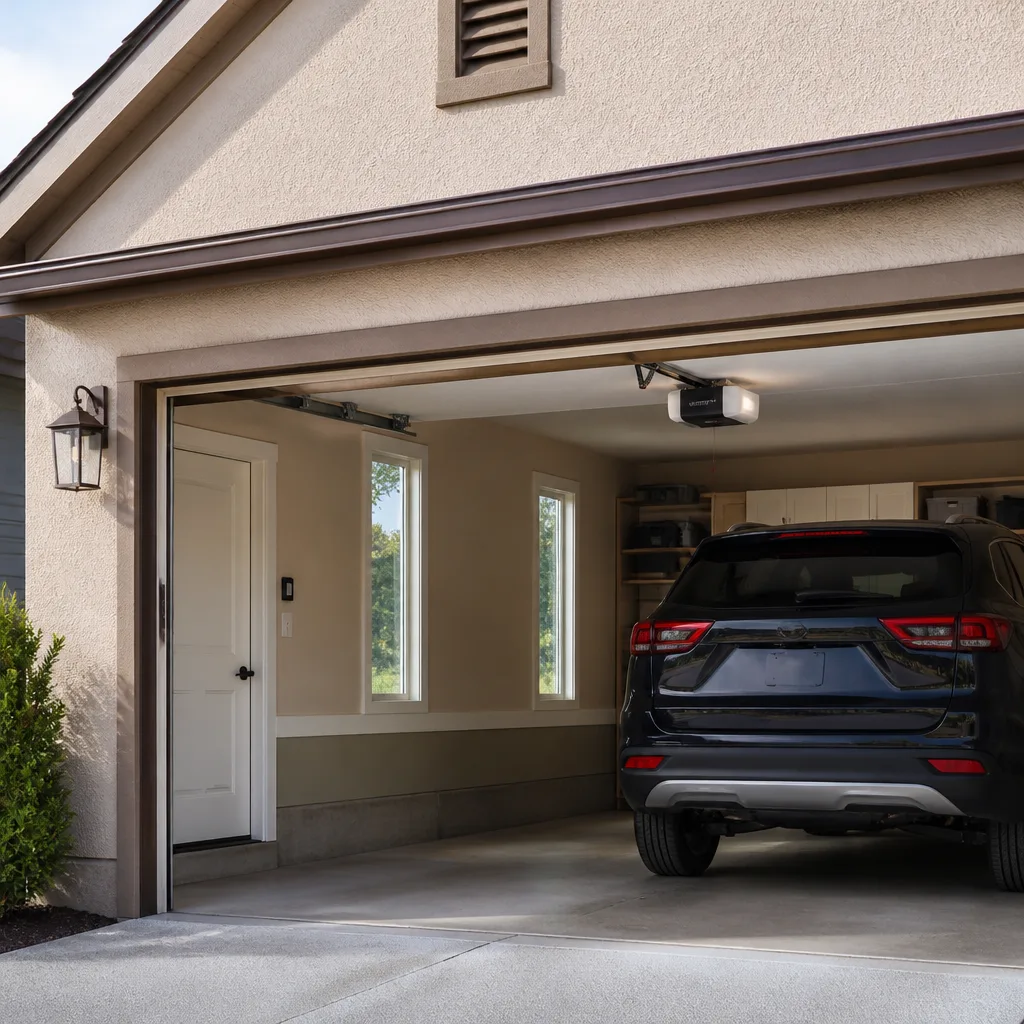 Chamberlain openers
Full 25-point door and opener safety check with every visit - springs, cables, rollers, tracks, and your LiftMaster or Chamberlain opener included
You get a price before we start. It does not change when the pro arrives.
Get your free estimateGarage Door Emergency Preparedness Guide for Tallyn’s Reach Homes
Most garage door emergencies aren’t actually caused by the door. From years of winter calls across the Front Range, we’ve learned that the thing that strands a household most often is a manual release cord pulled at the wrong moment, or pulled twice, or pulled while the carriage was under load. The door isn’t broken. The release sequence is. In Tallyn’s Reach, where a lot of homes have both attached garages facing the street and detached or drive-through setups, that difference matters: a door you can’t get back on automatic is a door you can’t trust overnight. This guide covers what to do before anything fails, plus the exact recovery steps for each major opener brand, a power-outage protocol, and how to secure a door with a broken spring so it doesn’t free-fall. It’s the ten minutes of prep and the five minutes of triage that save a very cold, very long morning.
Quick Answer
A garage door emergency in Tallyn’s Reach is manageable if you do three things in order: secure the opening so the door can’t move and the house can’t be entered, confirm whether the problem is the door or the opener, then decide whether it’s a now-call or a morning-call. Pulling a manual release under spring tension, or leaving a broken-spring door hanging in the open position, is what turns a repair into a hazard. Call (888) 847-8567 for free estimates and a same-day window on urgent repairs.
Styles & brands we work with
- Raised-panel steel
- Carriage house
- Modern flush
- Full-view glass
- LiftMaster openers
- Chamberlain openers
Table of Contents
- Why Preparation Beats Panic in Tallyn’s Reach Winters
- How to Use the Manual Release on Every Major Opener Brand
- What to Do When Your Door Is Stuck Open in Freezing Temperatures
- Power Outage Protocol: Battery Backup vs. Manual Operation
- How to Safely Secure a Door With a Broken Spring
- When to Call Now and When It Can Safely Wait Until Morning
- The Ten-Minute Seasonal Check We Recommend
- Common Mistakes to Avoid
Why Preparation Beats Panic in Tallyn’s Reach Winters
Tallyn’s Reach sits at elevation in Douglas County, and the cold snaps here are the kind that arrive fast, hold for days, and take garage doors with them. Springs, torsion in particular, are under constant tension even when the door is down. Cold metal doesn’t like being asked to flex, and the greases and lubricants that keep hinges, rollers and tracks moving get thick and sticky well below freezing. The result is a door that runs slower, hits more resistance, and puts more load on the opener than it should. That’s the mechanical reality of this location that most generic advice skips.
Preparation, in practice, is a handful of small habits:
- Know where your manual release cord hangs and what it does before you need it in the dark. Test it with the door down, never with the door up and under tension.
- Clear the tracks and weather seal as the season turns. Grit and frozen meltwater in the track are the most common cause of a door that reverses or stops halfway.
- Watch the door for sag or bowing across the panels. A wood or steel door showing a gap where it meets the frame in cold weather is telling you something is straining.
- Note your opener model so the right manual release procedure is easy to find. LiftMaster and Chamberlain units make up a large share of what we service locally, but plenty of Tallyn’s Reach homes still run a Craftsman or Genie.
The point isn’t to turn you into a technician. It’s to make sure the ten minutes you’d spend on any other home task is spent on the one system your family relies on every single day to get in and out of the house.
How to Use the Manual Release on Every Major Opener Brand
The manual release exists so you can disconnect the door from the opener when there’s no power or the opener has stalled. It does not disconnect the springs. That distinction is the source of nearly every stranding we see. When you pull the release, the door becomes dead weight and is held by the springs and the balance of the door alone. If the springs are in good shape the door should feel light and movable by hand. If they’re broken, the door is heavy as a car and dangerous to move.
The general sequence most brands use
- Confirm the door is fully closed before you touch the release at all.
- Locate the release cord or lever on the carriage that runs on the rail.
- Pull the cord or lever down and hold briefly until you feel the carriage click out of the trolley.
- Test the door by hand, slowly. If it feels heavy, stop and call. Do not force it.
- To reconnect, raise the door manually to just above the closed position and the carriage will re-engage as the opener runs.
Brand-specific things to know
- LiftMaster and Chamberlain (the same corporate family, and sharing their myQ smart-home ecosystem) use a very similar carriage and release. The most common mistake is pulling the cord while the door is partially up, which jams the trolley so the opener can’t re-engage. If that happens, the opener will run but the carriage stays put. We’ve walked many Tallyn’s Reach callers through this on the phone.
- Craftsman units, often the older belt and chain drives in older Tallyn’s Reach builds, have the same pull-cord arrangement, but the carriage can stick if the rail is dry. Lubricate the rail, don’t force the release.
- Genie and Wayne Dalton openers use a lever-style release in many models rather than a cord. The lever needs a firm, single pull. Half-pulling it leaves the carriage half-disengaged, and the opener will then free-run without moving the door.
- Amarr and Raynor doors paired with a variety of openers are common in this area. The door brand doesn’t dictate the release procedure, the opener does. Read the opener label, not the door label.
The single biggest cause of a door that can’t be reconnected is pulling the release with the door up. Full stop. The carriage has nowhere to land and the opener re-engages in the wrong spot. If that’s already happened, get the door down by hand and call us. We can walk you through the reconnect or come out and reset it.
What to Do When Your Door Is Stuck Open in Freezing Temperatures
A door stuck open in a Tallyn’s Reach winter is a problem with two faces: heat loss and an opening into the house. Neither is an emergency in the strict sense, but both need to be handled before anyone goes to sleep. The door itself can be dealt with by a technician. The opening can be dealt with by you, right now.
Immediate steps to secure the space
- Get everyone and anything of value out of the garage and lock the interior door that connects the garage to the house. That door is your real security line.
- Move vehicles out if the door is at risk of dropping. Park them on the driveway or street. A door that falls on a car is a much bigger problem than a door that falls on an empty floor.
- Brace the door if it can be safely reached. A long-handled broom or adjustable prop wedged under the door panel at the frame, on both sides, will hold a door that’s fully up. Don’t stand under it while you work.
- Cover the opening from the inside with a tarp or a heavy blanket pulled across from frame to frame to hold warmth. This is a stopgap, not a fix.
- Disconnect the opener if it’s trying to close and reversing. The safety sensors may have frozen, or the door may be catching on a frozen seal. Pulling the release stops the opener from grinding against a door that can’t move.
One thing not to do: don’t try to force a partially open door the rest of the way up or down with a crowbar. If the panel binds, you can bend the section, damage the hinges, or send the door off its track. A door that’s still attached at one end is a door coming down.
Once the space is secured, call. For a door that’s stuck part-way, we’ll send a technician to get it moving, usually with garage door repair that covers the track, rollers, and any frozen hardware in a single visit.
Power Outage Protocol: Battery Backup vs. Manual Operation
Not all backup systems work the same way, and assuming yours does when it doesn’t is how people get locked out in a storm. Some openers have a built-in battery that keeps the door running for a while on the opener’s own power. Some use an external battery pack. And plenty of openers, especially older ones, have no backup at all. The only way to know is to look at the opener head or the wall control. A LiftMaster or Chamberlain with myQ will usually have a small backup battery the system reports on. A Genie, Craftsman, or older Wayne Dalton unit may not.
If your opener has a battery backup
- Test it once a season by unplugging the opener from the wall and running the door. If it doesn’t move on battery, the battery is dead or not charging.
- Check the wall control for a battery indicator light or error code. Most smart openers will tell you, and the myQ app will usually flag it before it matters.
- Understand the duty cycle. Battery backup is for a handful of open/close cycles, not a week of use. Use it to get the car in and out, not to keep cycling the door while you wait for power.
If your opener has no backup
- Use the manual release per the steps above, and treat the door as a hand-operated door for the outage.
- Keep the door closed at night, even if it’s heavy. A door left open overnight is a security gap, not just a cold house.
- If the door is too heavy to lift by hand, that’s a spring issue, not an opener issue. Don’t force it. Call us and we’ll get a technician to you with the right parts.
One classic outage trap in Tallyn’s Reach: a lot of openers here are plugged into a garage outlet on the same circuit as the garage lights. A blown bulb or a tripped circuit can look like an opener failure when it’s a power problem. If the wall control is dark and the opener is silent, check the breaker and the outlet before you call anyone.
How to Safely Secure a Door With a Broken Spring
A broken torsion spring is the one garage door failure we treat as urgent every time. With the spring gone, the door is being held only by the opener’s carriage, and if the release is pulled (or the opener gives out) the door drops. The door can weigh several hundred pounds. A door with a broken spring hanging open, or left partway up, is a genuine hazard. This is also the step most preparedness guides skip entirely, which is exactly why we cover it here.
What to do, in order
- Do not pull the manual release. This is the single most important instruction. If the door is down and the opener still holds it, the opener is the only thing keeping it there. Pulling the release drops the door.
- Leave the door in the closed position if at all possible. A fully closed door with a broken spring is stable. The opener won’t lift it, but it also won’t drop it.
- If the door is already open, prop it from below using two solid props at the frame edges and stay out from underneath. Never use your body as a prop.
- Unplug the opener only if you’re certain the door is braced and won’t move. Otherwise, keep the opener powered so it holds the door.
- Keep vehicles and people out of the garage until a technician has addressed the spring.
What not to attempt: replacing or adjusting a torsion spring yourself. The springs store enough energy to cause serious injury even to experienced people, and the tools and technique for winding and releasing them are not something to figure out in a garage. If you’re not sure whether the spring is broken, call us. We’ll diagnose over the phone and get a spring repair on the schedule.
We treat spring repair as its own dedicated service because it’s one of the most hazardous failures a garage door has, and it needs the right parts on the truck, not ordered. For the repair itself, see our Garage Door Repair Tallyn’s Reach page. A single spring repair is usually quoted in the low hundreds, and a matched pair, which is the standard for most doors, runs roughly twice that. We get a written price to you before any work starts.
When to Call Now and When It Can Safely Wait Until Morning
We get this question on every winter call. The answer comes down to whether the door or the opening is at risk. Some problems can wait comfortably for a scheduled appointment. Some shouldn’t wait at all. Here’s how to sort them.
Call now
- A door with a broken spring that’s hanging open or partway up and can’t be secured.
- A door off its track or leaning to one side.
- A door that’s stuck open with people sleeping in the house and no way to cover the opening.
- Any door that’s moving on its own, reversing randomly, or dropping without warning.
- A garage break-in or forced entry that has left the door damaged or unsecured.
Can usually wait until morning
- A door that’s fully closed with a broken spring and the opener holding it down.
- A door that won’t open but is closed and secure, and the vehicle isn’t needed tonight.
- An opener that’s dead or unresponsive with the door in the closed position.
- A remote or wall control that’s not responding but the door itself is fine.
- A noisy opener, or a door that’s slower than usual but still working.
If you’re not sure which list you’re on, call us and describe what you see. That’s what the free estimate and the phone conversation are for. We’ll tell you honestly whether it’s a wait problem or a now problem, and schedule accordingly. Our goal is to fix the door, not to manufacture urgency.
The Ten-Minute Seasonal Check We Recommend
The prep that prevents the most emergencies doesn’t require tools beyond a screwdriver and a rag. We recommend running this check twice a year in Tallyn’s Reach: once as the cold season approaches and once in early spring when the freeze-thaw cycle is at its worst. It’s the best ten minutes a homeowner can spend on the garage door.
- Test the door balance. With the door closed, pull the manual release and lift the door halfway. A balanced door should stay there on its own. If it drops or rises, the springs need attention.
- Check the safety sensors. With the door open, wave an object in front of the photo-eye on each side. The door should stop and reverse. If it doesn’t, this is a safety problem that needs fixing.
- Look at the springs. A torsion spring with a visible gap is broken. Extension springs should have safety cables running through them. If you see a gap, stop and call us.
- Check the tracks and rollers. Look for bent track, loose bolts, or rollers that wobble. Tracks that have been whacked by a car or shifted by a settled slab in a Tallyn’s Reach driveway are common here.
- Lubricate the moving parts. Hinges, rollers, and the opener rail take a proper garage door lubricant, not WD-40. A dry rail is a stuck carriage waiting to happen.
- Test the manual release. With the door closed, pull the release, verify the door moves easily by hand, then reconnect per the opener’s instructions.
That last step is the one most people skip, and it’s the one that saves you on a dark, cold Tuesday morning. A release you’ve never tested is a release you’ll fumble when it matters.
Common Mistakes to Avoid
- Pulling the manual release on a door with a broken spring. The opener is the only thing holding the door up. Pulling the release lets it drop. If you’re unsure whether the spring is intact, don’t touch the release.
- Pulling the release with the door already up. The carriage has nowhere to re-engage, and you’ll be stuck with a dead door and an opener that runs but goes nowhere. Always release with the door fully down.
- Lubricating the track or the springs with the wrong product. WD-40 and silicone sprays on a torsion spring or the rail are the two most common causes of a slow or jammed door. Use a proper garage door lubricant, and keep the track clean and dry.
- Assuming a smart opener’s battery backup will carry the whole outage. In Tallyn’s Reach cold snaps, backup batteries lose capacity fast. Test yours before winter, not during a storm.
- Jamming a broom under an open door and calling it fixed. A prop is a stopgap for the few hours before a technician arrives, not a repair. Standing under an unsecured door to install it is the part to avoid.
- Calling the first number that answers and paying for a full replacement. Most winter door failures are spring, track, or opener problems and are repairable. A good technician diagnoses before quoting replacement, and we always do.
- Trying to adjust or replace a torsion spring yourself. The springs store dangerous energy even when they look calm. This is the one garage door job that is genuinely not a homeowner task, and no guide should suggest otherwise.
See the difference
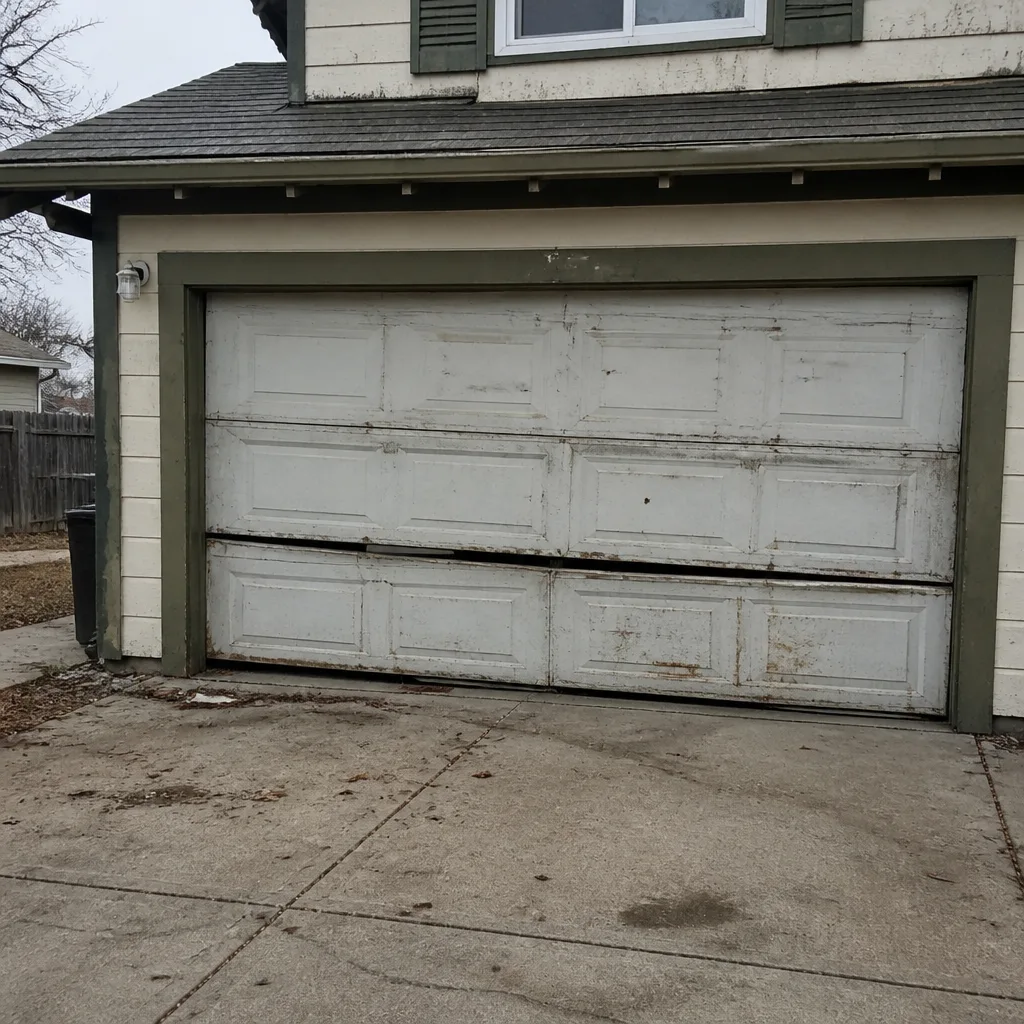 Before
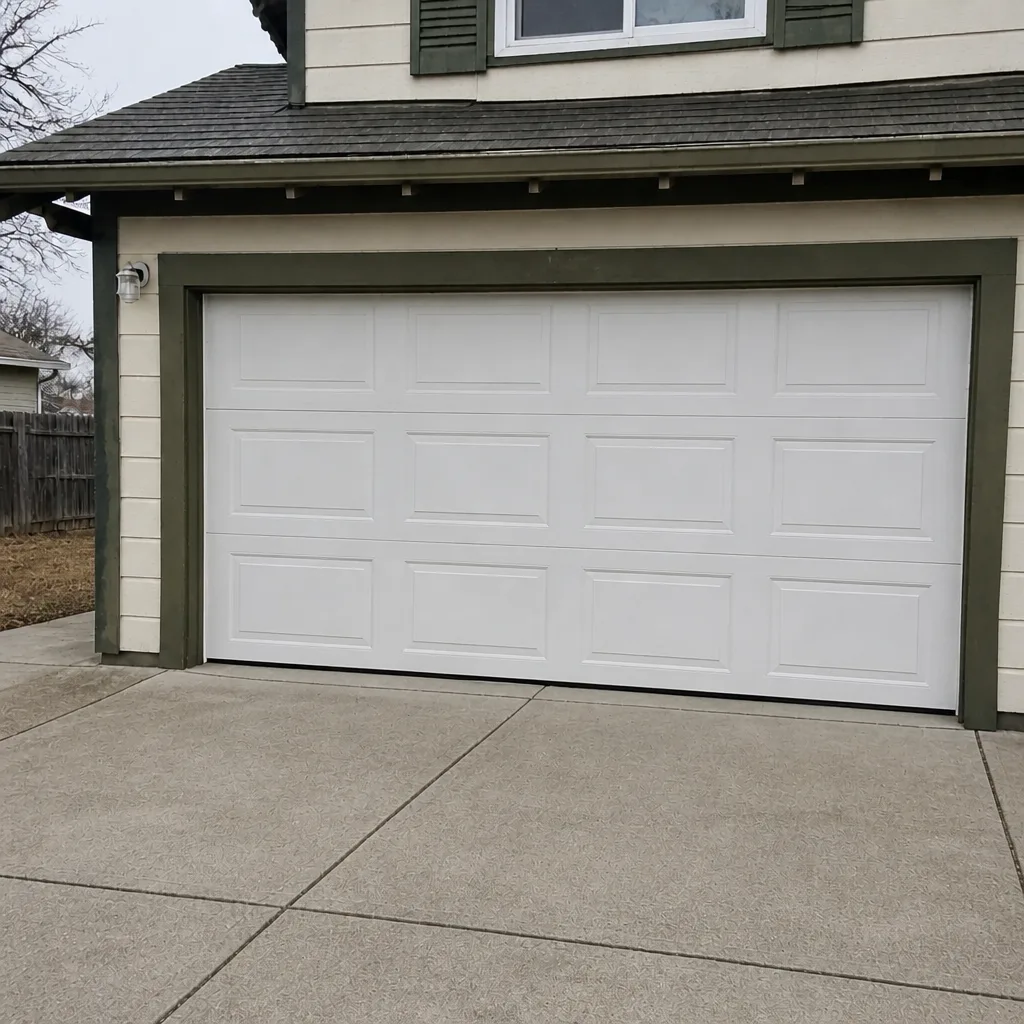 After
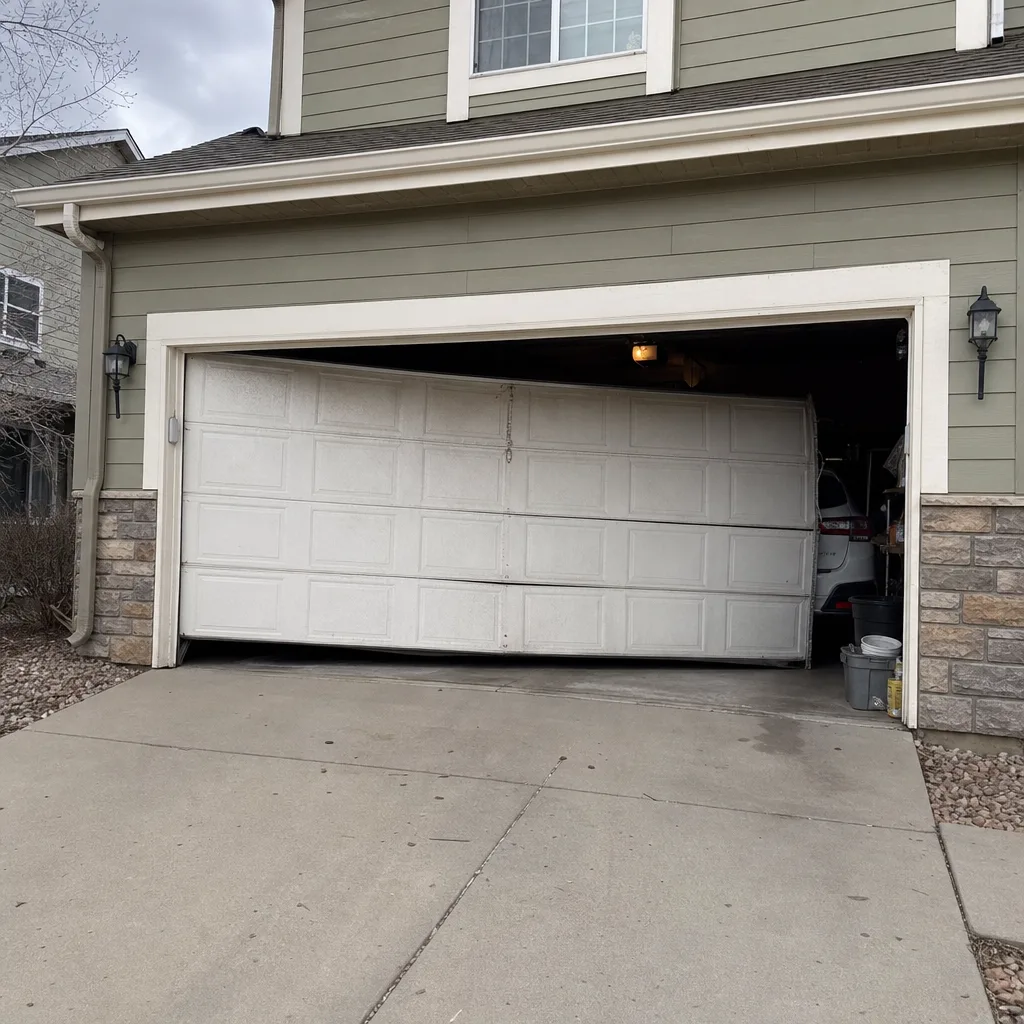 Before
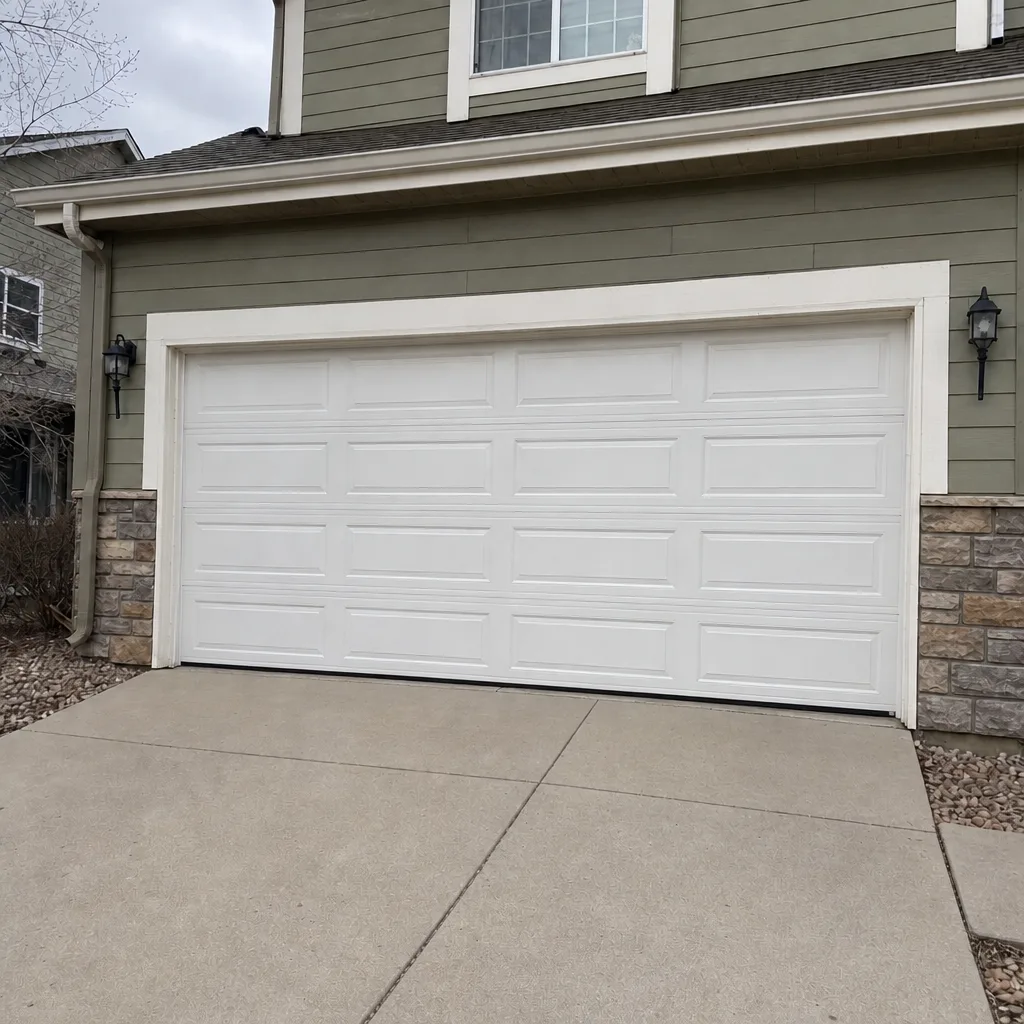 After
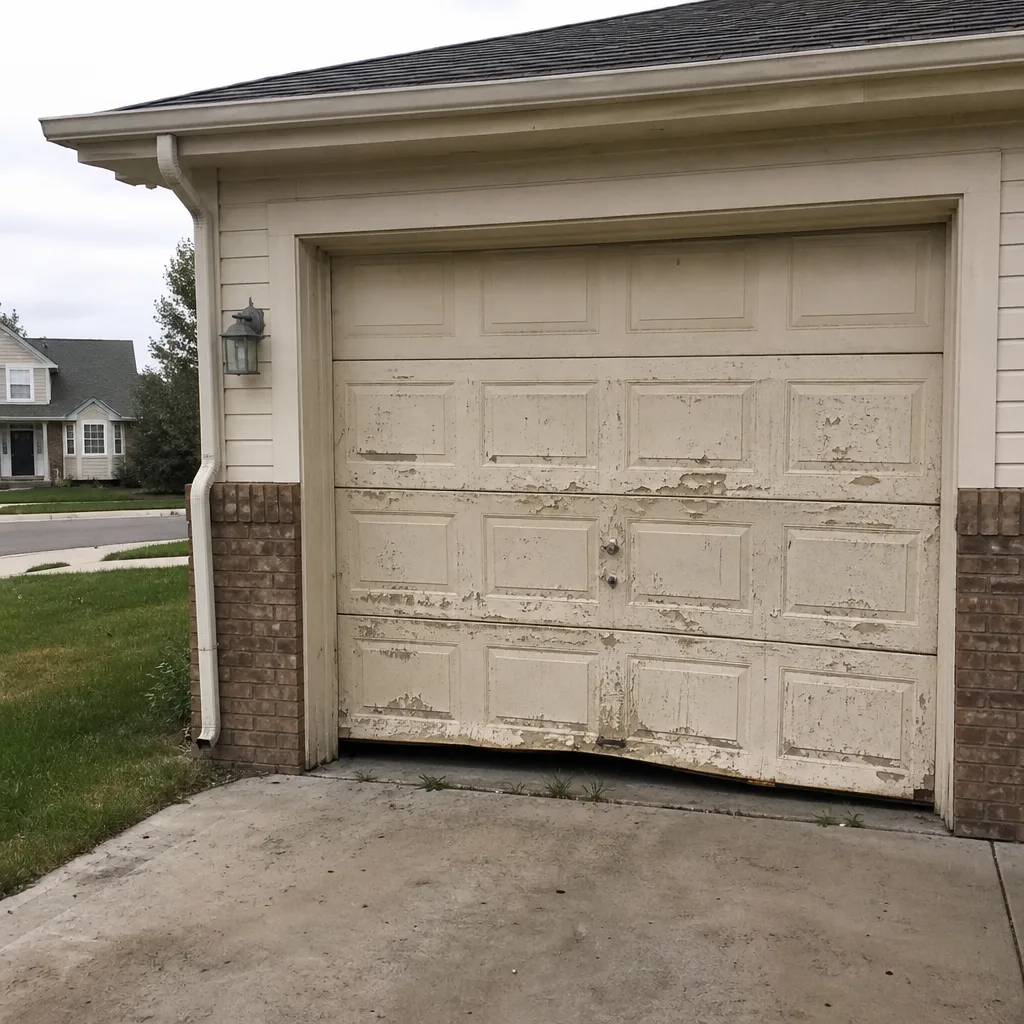 Before
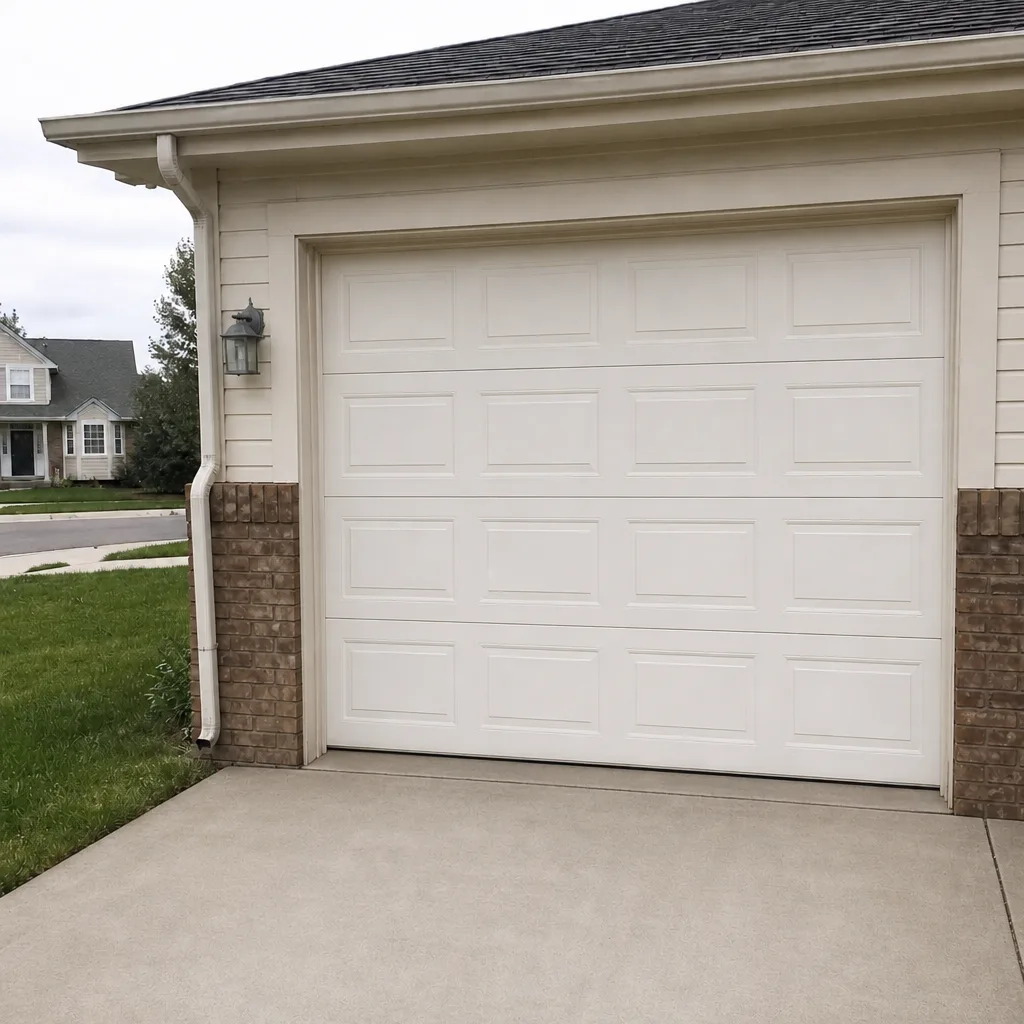 After
When to Call a Professional
Call us if the door has a broken spring, if it’s off its track, if it’s moving on its own, or if you can’t get it back on the opener after a manual release. Those are the cases where a trained technician with the right parts on hand makes the difference between a same-day fix and a cold night. We also want the call if you’re simply not sure: a door that’s noisy, slow, or reversing for no reason is worth a free look. Garage Door Repair Tallyn’s Reach offers free estimates in Tallyn’s Reach. Call (888) 847-8567 and we’ll help you decide whether it’s a now problem or a morning problem. Our technicians have up to 8 years of experience, and we service every major brand, so you won’t need a second call for a part we don’t carry.
Frequently Asked Questions
The clearest sign of a broken torsion spring is a visible gap in the spring across the top of the door, plus a door that won’t lift with the opener and feels extremely heavy by hand. A broken extension spring shows a similar gap along the side track. Don’t pull the manual release to test it. If the door is closed and the opener holds it, leave it, and call (888) 847-8567 for a free estimate.
Yes, urgent repairs are handled same-day whenever the schedule allows, with fast phone support during the day. Spring failures, off-track doors, and doors stuck open are the cases we prioritize. Call (888) 847-8567 and describe what you’re seeing, and we’ll get a technician booked. Estimates are free.
Secure the opening first: lock the interior door to the house, move vehicles out from under the door if it’s at risk, prop the door from below if it can be reached safely, and cover the opening from inside. Then call us. A door that’s stuck open is a repair call, but the opening is a security and heat problem you can handle right now. We’ll send a technician as soon as we can.
Not all do. Many LiftMaster and Chamberlain openers with myQ include one, and most Genie, Craftsman, and older Wayne Dalton units do not. The easiest test is to unplug the opener and try to run the door. If it moves, you have backup. If not, it doesn’t. Have us check it at your next service and we’ll tell you exactly what your opener is capable of.
Usually yes. Raise the door by hand to just above closed, then run the opener and it should re-engage the carriage. If the door was released while it was open, the carriage may not line up, and it can feel stuck. Bring the door down by hand and try again. If it won’t re-engage, call us and we’ll walk you through the reset or come out for a free estimate.
The opener will hold a closed door down, but it can’t lift it. The spring carries the door’s weight, and without it the opener is working against the full door. Running the opener against a broken spring is what burns out the gear or the motor. Leave the opener plugged in for the hold, but don’t try to cycle the door until a technician has replaced the spring. Call (888) 847-8567 for a spring repair appointment.
Almost never. An opener problem is an opener problem, and most are repairable or replaceable at the opener, not the door. If your door is sound and the opener is dead, a new opener is the fix, and we handle garage door opener repair across the major brands. If you’re weighing a full door replacement, that’s a different question, and we’ll talk it through honestly with a written price before any work starts.
Stop using it and call. A door off its track is not a door to keep working on, and forcing it will bend the panel or the track. We handle this under standard garage door repair and will reset the track and inspect the rollers and hinges before we call it done. If you’re considering a new door because the old one is beyond repair, we also do garage door installation for brands like Amarr, Wayne Dalton, and Raynor, so you have the option in the same call.
The Bottom Line
Garage door emergencies in Tallyn’s Reach are almost always more manageable than they feel at the time. The door itself is usually fixable. What makes it hard is the sequence: knowing where the manual release is, what it does, and when not to touch it. Secure the opening, protect your family and your vehicles, and call for help. The spring and opener work is ours, and we handle it across every major brand with the parts on the truck. For a free estimate on a repair, a spring, or a new installation, call (888) 847-8567.
Written by the team at Garage Door Repair Tallyn’s Reach.