Last updated November 23, 2026
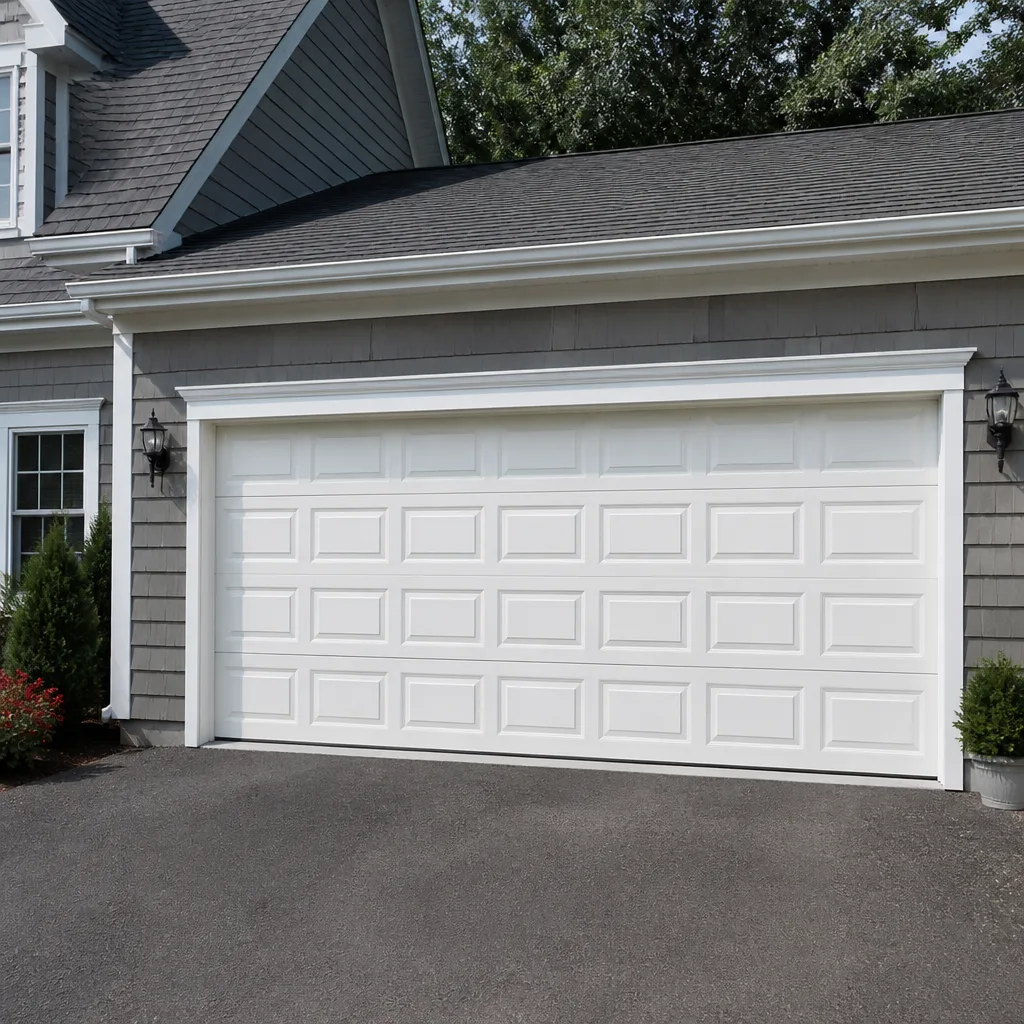 Raised-panel steel
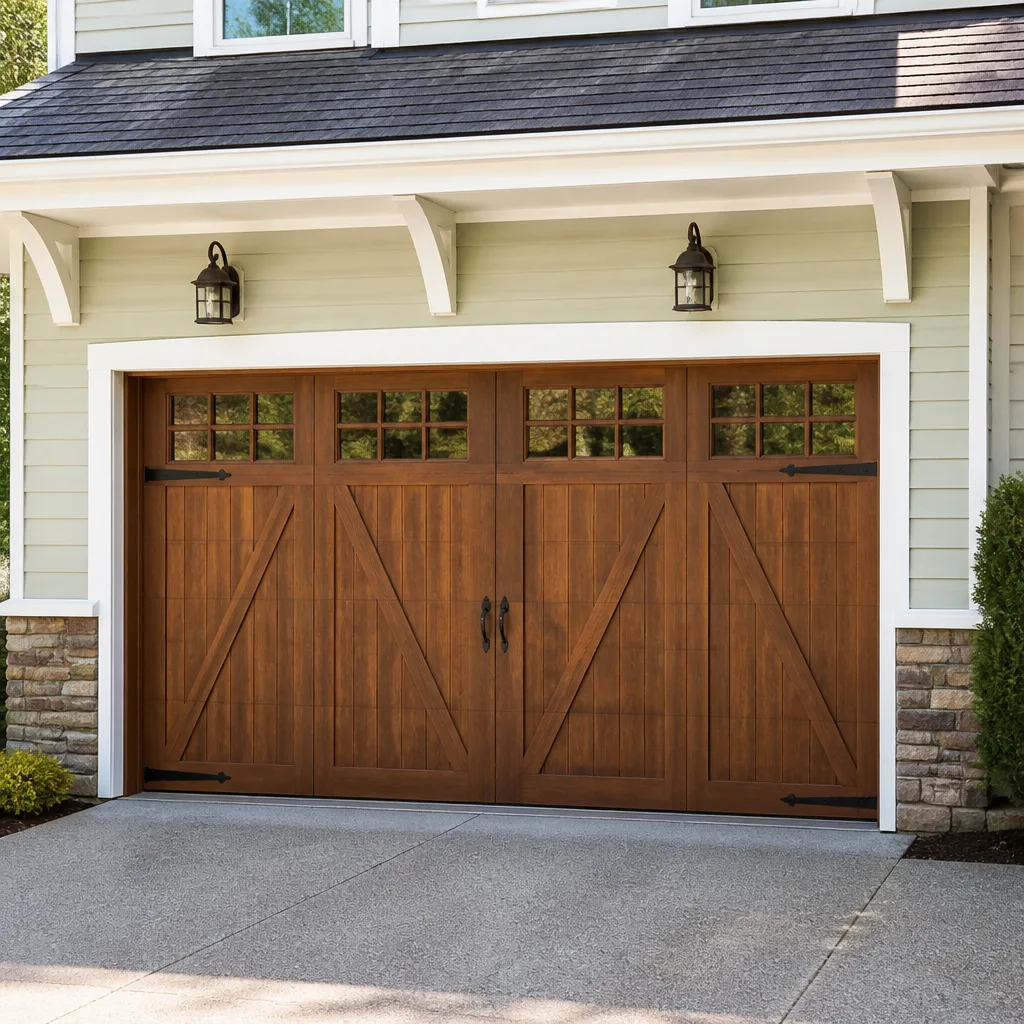 Carriage house
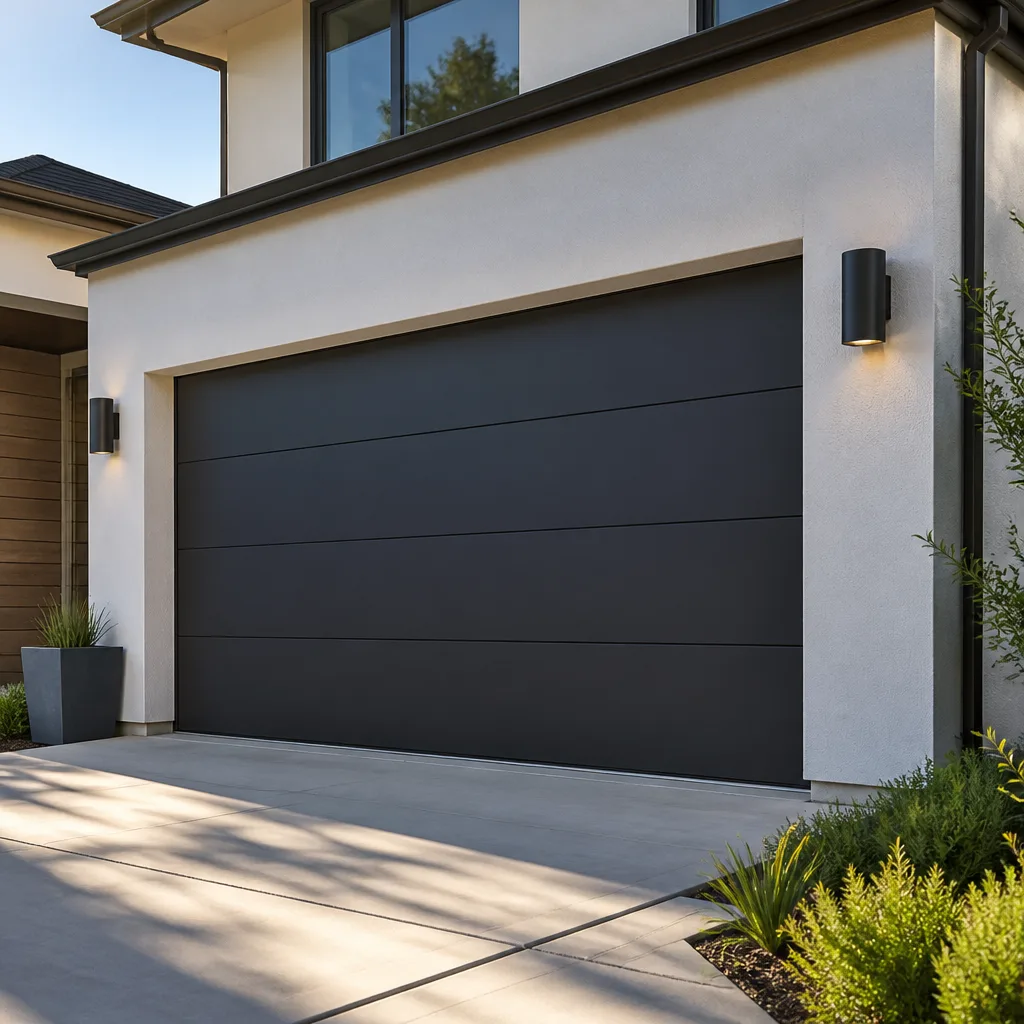 Modern flush
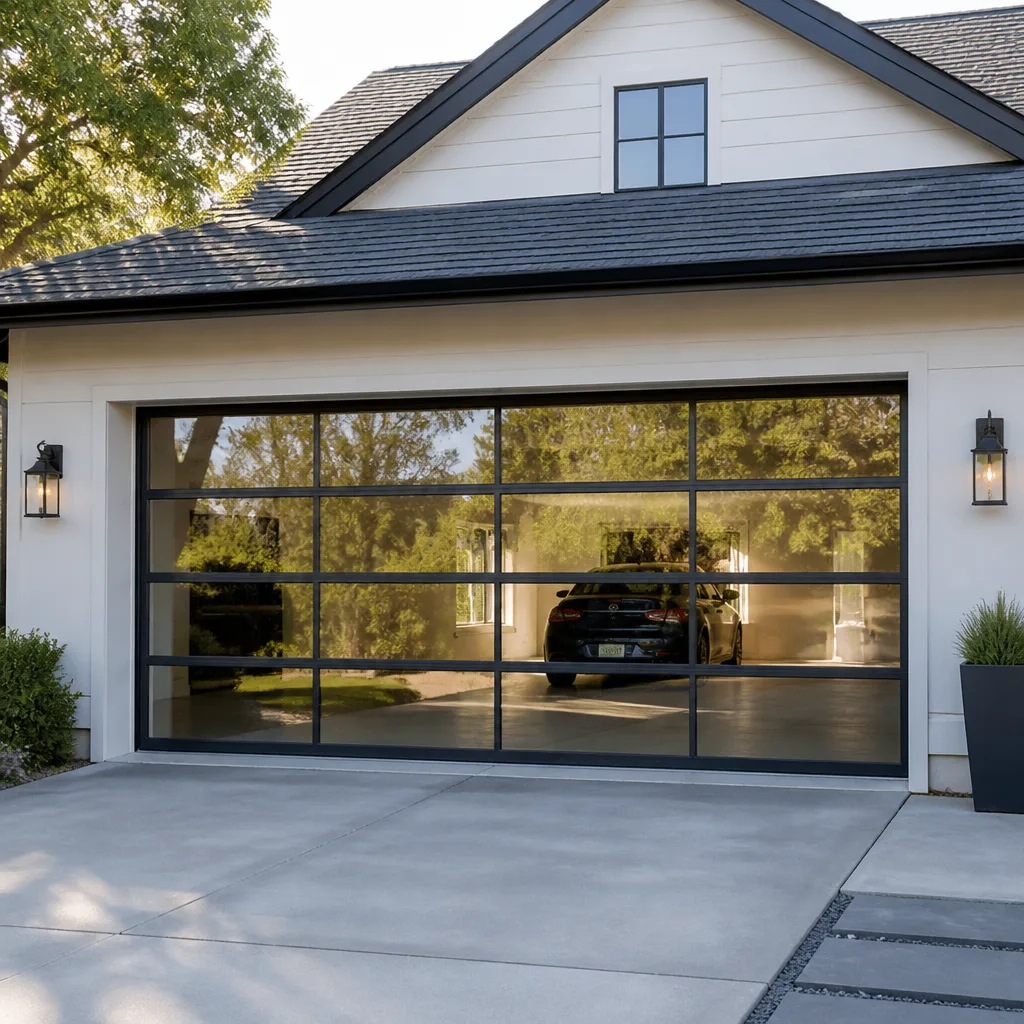 Full-view glass
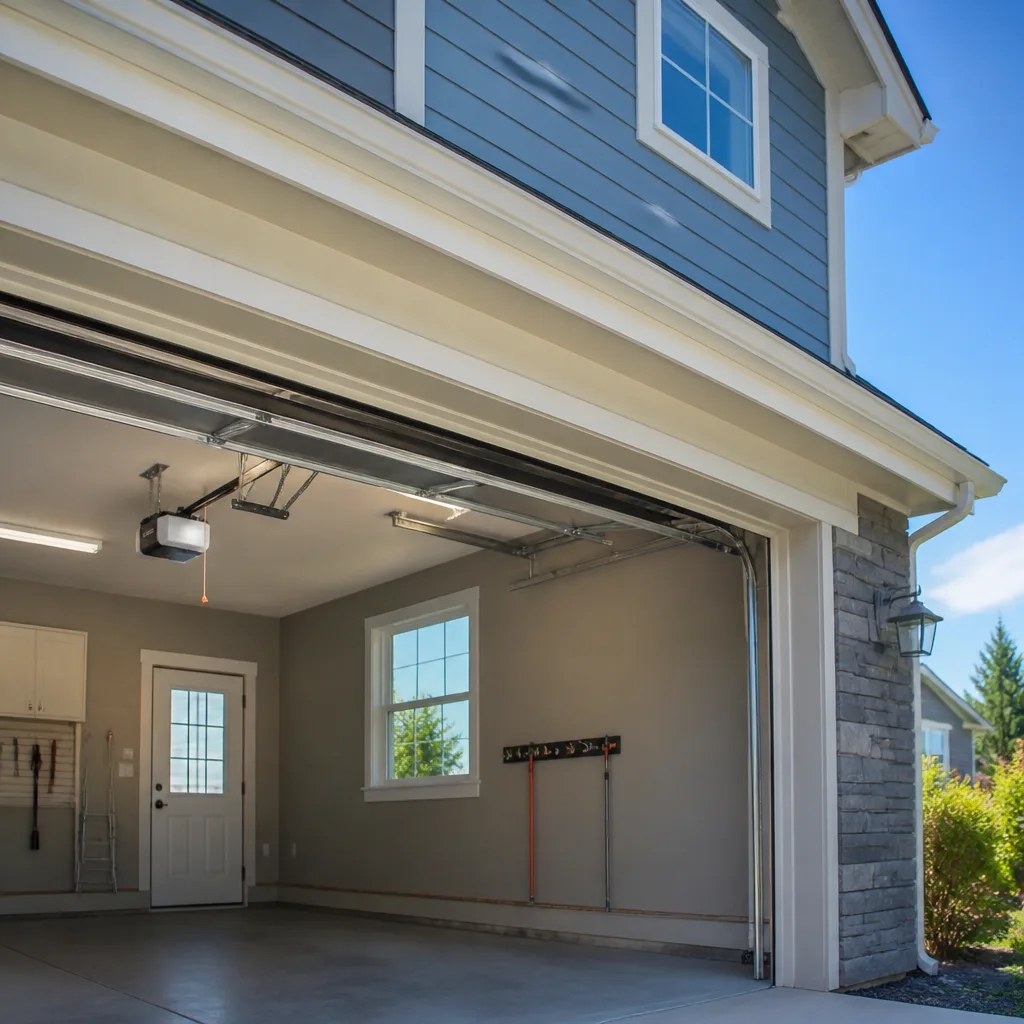 LiftMaster openers
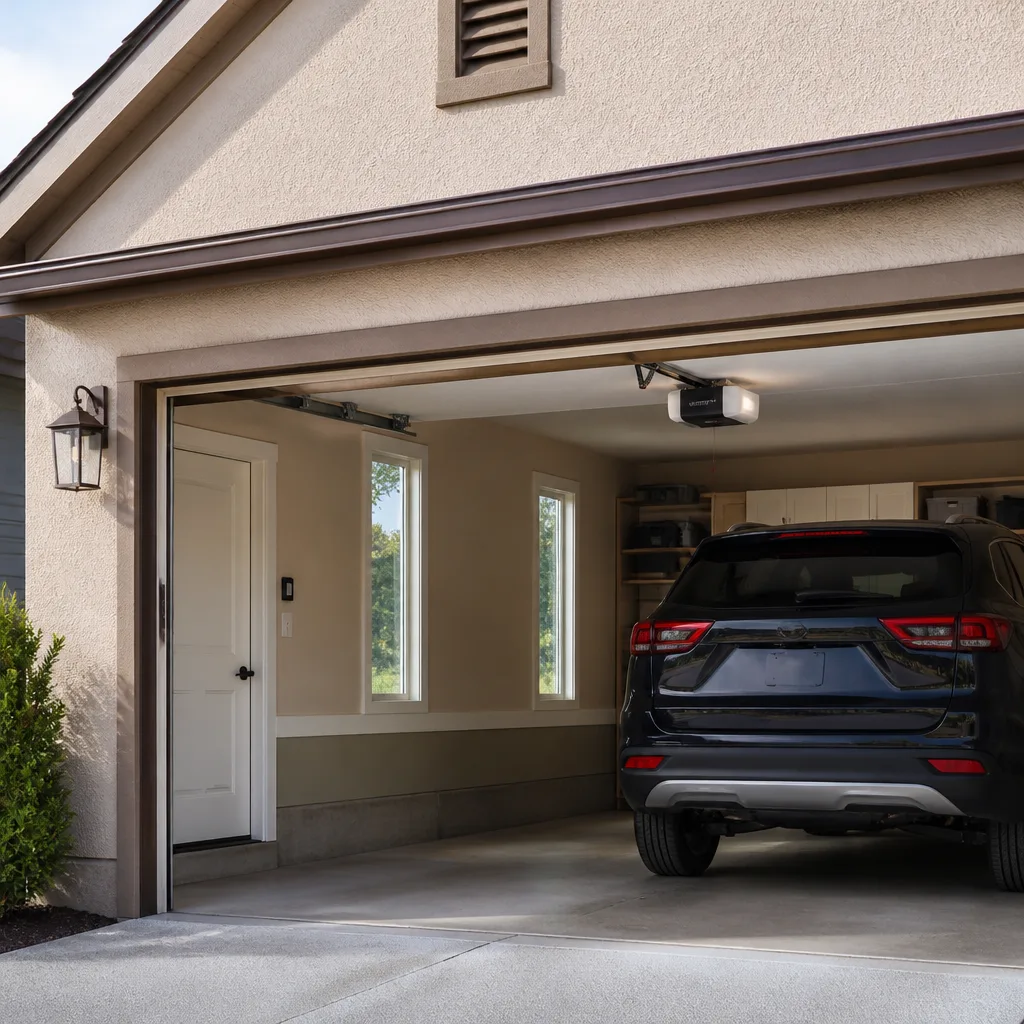 Chamberlain openers
Full 25-point door and opener safety check with every visit - springs, cables, rollers, tracks, and your LiftMaster or Chamberlain opener included
You get a price before we start. It does not change when the pro arrives.
Get your free estimateGarage Door Repair Troubleshooting in Tallyn’s Reach: Common Problems and How to Fix Them
A door that won’t open isn’t a door problem 60% of the time. It’s a sensor, spring, or logic board problem wearing a door costume. Most homeowners in Tallyn’s Reach start at the remote, press the button a few times, then assume the opener is dead. The opener is fine. Something upstream or downstream failed first, and the door is just the messenger. We see it constantly: people replace openers when a roller came off its track, or call for a track repair when the limit switch drifted. This guide teaches you to troubleshoot backward from the failure point instead of forward from the remote. You’ll learn the manual release test, how to read blink codes, why Colorado’s temperature swings create problems that look mechanical but aren’t, and when to stop and call.
Quick Answer
A garage door that won’t open, won’t close, or reverses on its own is usually one of four failures: a broken spring, a misaligned safety sensor, a limit switch that drifted out of adjustment, or a track and roller fault. The fastest way to isolate which one is to pull the manual release and try lifting the door by hand. If it’s heavy or won’t stay up, the spring failed. If it lifts easily but the motor won’t run, the opener or sensor is the culprit.
Styles & brands we work with
- Raised-panel steel
- Carriage house
- Modern flush
- Full-view glass
- LiftMaster openers
- Chamberlain openers
Table of Contents
- The Manual Release Test: Do This Before You Call Anyone
- Opener, Spring, or Track: How to Tell Them Apart
- Why Colorado Temperature Swings Create “Seasonal” Problems
- Reading Blink Codes on LiftMaster, Chamberlain, and Genie Openers
- Why a Door That Reverses After Hitting the Floor Is Rarely a Sensor Problem
- The One Test That Tells You Your Spring Is Broken Before You Open the Door
- Noise, Squeaks, and What They Actually Mean
- What You Can Safely Fix Yourself and What You Can’t
The Manual Release Test: Do This Before You Call Anyone
This is the most useful five minutes you’ll spend on your garage door. The manual release cord hangs from the trolley that runs along the opener rail. Pull it once and the door disconnects from the motor. Now the door is just a door. Whatever happens next tells you where the problem lives.
Follow these steps in order:
- Close the door fully, then pull the release cord. You’ll hear the trolley click free.
- Grip the bottom handle or the bottom edge and lift. A properly balanced door lifts with two fingers and stays wherever you leave it.
- If it won’t lift at all, or feels like it weighs far more than it should, stop. A broken spring is the likely cause.
- If it lifts with effort but won’t stay up, the springs are weak or the tension is off.
- Lift it to about halfway and let go. A door that drops on its own has a serious balance problem.
If the door lifts smoothly by hand and holds its position, the springs and tracks are fine. Your problem is in the opener, the sensors, or the wiring. That’s a very different repair. Most Tallyn’s Reach homes have the release cord near the door, and reaching it is the whole test. Don’t force anything. If the door feels wrong, let it back down slowly and call.
Opener, Spring, or Track: How to Tell Them Apart
Three failures cause nearly every garage door problem, and they feel different. Learn the difference and you’ll describe your issue accurately when you call, which saves time and money.
Opener failure
The door lifts easily by hand, but the motor won’t run, runs and stops, or makes a clicking sound without moving. You’ll hear the motor hum. The trolley may move a few inches and reverse. Openers fail at the logic board, the gear assembly, or the safety sensor wiring. A LiftMaster or Chamberlain unit with a smart-hub feature might still connect to your phone while the door won’t move, which confuses people. Connectivity is not operation.
Spring failure
You hear a loud bang from the garage, then the door won’t lift. By hand, it’s heavy and won’t stay up. On torsion systems, look above the door for a gap in the wound coil. On extension springs, look for a spring hanging loose with a stretched, separated coil at the end. A broken spring is the single most dangerous common garage door failure, and it’s the one this guide treats with the most caution. Springs store enormous force. Never try to wind or unwind one yourself.
Track and roller failure
The door moves but grinds, jerks, or comes off the track. You’ll see a roller out of its channel, a bent track section, or a door that sits crooked. This is a mechanical alignment issue, not a motor issue. If a roller has popped the track, the door is at risk of falling. Stop using the opener until it’s fixed. A door that comes off its track while moving can come down hard.
Why Colorado Temperature Swings Create “Seasonal” Problems
Tallyn’s Reach sits where sub-zero winter mornings and 90°F summer afternoons are both normal. Metal expands and contracts across that range. So does every gasket, bearing, and hinge in your door. The result is a set of failures that look mechanical but are really thermal.
The most common one is tension drift on extension springs. A door that worked all summer starts sagging in January, and the opener strains to lift it. The opener isn’t the problem, and the spring isn’t broken. The cold has changed the balance point. On torsion systems, cold makes the grease in the bearings thicken, so the door moves sluggishly until it warms up. Some of what homeowners call “seasonal problems” resolves itself by afternoon.
What to watch for across the seasons in Tallyn’s Reach:
- Winter: doors that hesitate, strain, or reverse on the first cold morning. Cold-soaked springs and stiff grease are the usual suspects.
- Spring thaw: rollers that were fine in February start squealing as the tracks expand. Lubrication often fixes it.
- Summer: heat softens weather seals and can cause the bottom seal to drag or stick to the floor, making the door reverse.
- Fall: temperature drops fast at night. A limit switch set in warm weather can drift just enough to trip the safety reverse.
If a door only misbehaves in extreme cold or extreme heat, note that when you call. It points a technician toward adjustment rather than replacement, and that’s usually the cheaper outcome.
Reading Blink Codes on LiftMaster, Chamberlain, and Genie Openers
Openers don’t fail silently. They blink a code. Most of the openers in Tallyn’s Reach homes are LiftMaster, Chamberlain, or Genie units, and each one uses a different pattern. The code points you to the actual failure, which means you can describe the problem accurately.
The key is counting the blinks and the pauses. Here’s how to read the most common codes:
- LiftMaster / Chamberlain (myQ era): The LED on the back of the motor blinks in a repeating pattern. A single blink with a long pause, usually four or five times, points to a safety sensor issue. Two blinks points to a wiring or safety-reverse problem. Five blinks is often a logic board or travel limit issue. Count the blinks between pauses, not the total.
- Chamberlain: The diagnostic LED works the same way. A steady blink with a brief pause is a sensor problem. A pattern with a longer pause points to travel limits or the force setting.
- Genie: Genie units often use a red or green LED on the power head. A red LED that won’t turn green when the door is closed is nearly always a sensor alignment issue. A blinking pattern with a distinct number points to a specific fault in the manual.
Find the sticker on the back panel or inside the light cover. It lists the codes for your exact model. If the code points to sensors, check alignment first. If it points to the logic board, that’s a part call, not a DIY fix. We work on all three brands regularly and can usually tell from your description what’s wrong before we open the door.
Why a Door That Reverses After Hitting the Floor Is Rarely a Sensor Problem
This one trips up almost everyone. The door goes down, touches the floor, and goes right back up. Homeowners assume the safety sensors are broken. They usually aren’t. The sensors do a different job: they stop the door from closing on something in its path. A door that touches the floor and reverses has passed the sensors and reached the bottom.
What’s actually happening is the limit switch or the downward force setting. The opener expects to hit a limit at the closed position. If that limit has drifted, the motor thinks it hasn’t reached the floor yet and reverses. Cold weather, a slightly thicker bottom seal, or a track that shifted can all cause this.
The fix is usually a limit switch adjustment, and it’s one of the few things a homeowner can do safely. Here’s the general process:
- Find the limit adjustment screw on the opener (usually labeled, on the side or back).
- Note its current position so you can return to it if needed.
- Turn it a quarter turn in the direction that extends the travel, then test the door.
- Repeat in small increments until the door closes fully and stays down.
If the door still reverses after a few adjustments, stop. The force setting may be too low, or there’s a mechanical drag like a worn bottom seal. That’s a call. But try the two-minute limit adjustment first. It solves a surprising share of reversing doors. If you’d rather not touch it, we cover opener diagnostics as part of garage door opener repair.
The One Test That Tells You Your Spring Is Broken Before You Open the Door
Before you touch the opener, do this. It’s the safety test that matters most, and it takes thirty seconds. Springs are under extreme tension, and a door with a broken spring is a door that can drop.
The test, using the manual release:
- Stand clear of the door’s path. Never stand under a door with a suspect spring.
- Pull the manual release to disconnect the opener.
- Lift the door six to twelve inches. Don’t lift it high.
- Let go. A healthy door stays exactly where you left it. A door with a failed or failing spring drops right back down, or won’t lift at all.
If the door drops or won’t lift, the spring has failed or is far out of adjustment. Don’t reconnect the opener and don’t try to lift the door. Call for spring repair. We treat spring failures as urgent because they are: they’re the most hazardous common garage door failure, and the door is unbalanced and unsafe until it’s fixed. Never attempt to replace, wind, or adjust a spring yourself. The stored energy in a torsion spring can cause serious injury in an instant. This is the one repair we tell every homeowner to leave to a trained professional.
Noise, Squeaks, and What They Actually Mean
Garage doors make noise, and most of it is normal. But the type of noise tells you what’s wearing. A door that suddenly gets loud is complaining about a specific part.
- Squealing or high-pitched squeak: Dry rollers, hinges, or a dry torsion tube. Lubrication on the moving parts usually quiets it. Use a garage-door-specific lubricant, not WD-40.
- Grinding or scraping: A roller is out of its track, or the door is rubbing against the frame. Stop and inspect. This one can escalate.
- Banging or popping during operation: Loose hinges or a track that’s working loose from its brackets. Tighten or call.
- Rattling from the opener itself: Loose mounting bolts or a worn gear assembly. An opener that rattles progressively is on its way out.
- Loud bang, then nothing: Broken spring. See the spring test above.
Cheap fixes first: lubricate all hinges, rollers, and the torsion tube. Many Tallyn’s Reach homeowners find that a seasonal lubrication routine eliminates most noise complaints. If the noise persists after lubrication, or if it’s a grinding or banging sound, it’s a mechanical issue worth inspecting before it becomes a failure.
What You Can Safely Fix Yourself and What You Can’t
We’d rather you know your limits than hurt yourself. Some things are genuinely easy and safe. Others look easy and are the opposite.
Safe to do yourself:
- Lubricating rollers, hinges, and the torsion tube.
- Aligning safety sensors (the small eyes on both sides of the door). The bracket adjusts by hand.
- Cleaning the sensor lenses and clearing cobwebs or debris from the beam.
- Tightening loose hinge and track bracket bolts with a hand tool.
- Adjusting the limit switch in small increments, as described above.
Not safe to do yourself:
- Replacing or adjusting springs. This is the hard line. The energy stored in a spring can injure badly in a fraction of a second.
- Replacing the opener’s logic board or rewiring the electrical connections.
- Adjusting the down force setting on a door that won’t close reliably. Too much force defeats the safety reverse.
- Replacing torsion cables or drums.
If you’re in the “not safe” column, garage door repair is what we do. We diagnose the failure, quote the fix, and get your door operating safely again. And if a repair stops making sense, we handle garage door installation on the same visit.
Common Mistakes to Avoid
- Replacing the opener before testing the door by hand. If the door is heavy by hand, the problem is the spring, not the motor. Replacing the opener won’t fix it and you’ll have spent money on a part you didn’t need.
- Using WD-40 on rollers and hinges. It attracts dust and gum the parts up over time. Use a garage-door lubricant that’s meant for the job.
- Moving the safety sensors to “fix” a reversing door. If the door closes and reverses, the sensors passed. Touch the limit switch instead. Moving the sensors can create a new problem.
- Forcing a door that’s off its track. Running the opener on a misaligned door can bring it down hard. Stop using the door and get it looked at.
- Ignoring a seasonal change. A door that sags only in January is telling you something about balance, not age. In our experience, Tallyn’s Reach homeowners who note the seasonal pattern get a cheaper fix than those who wait for it to fail.
- Winding a spring yourself. This is the mistake that causes real injuries. Springs are not a DIY part. Leave them to a trained technician.
- Assuming a new opener means a new door. The door and the opener are separate systems. We repair before we suggest replacement, and only when the math favors it.
See the difference
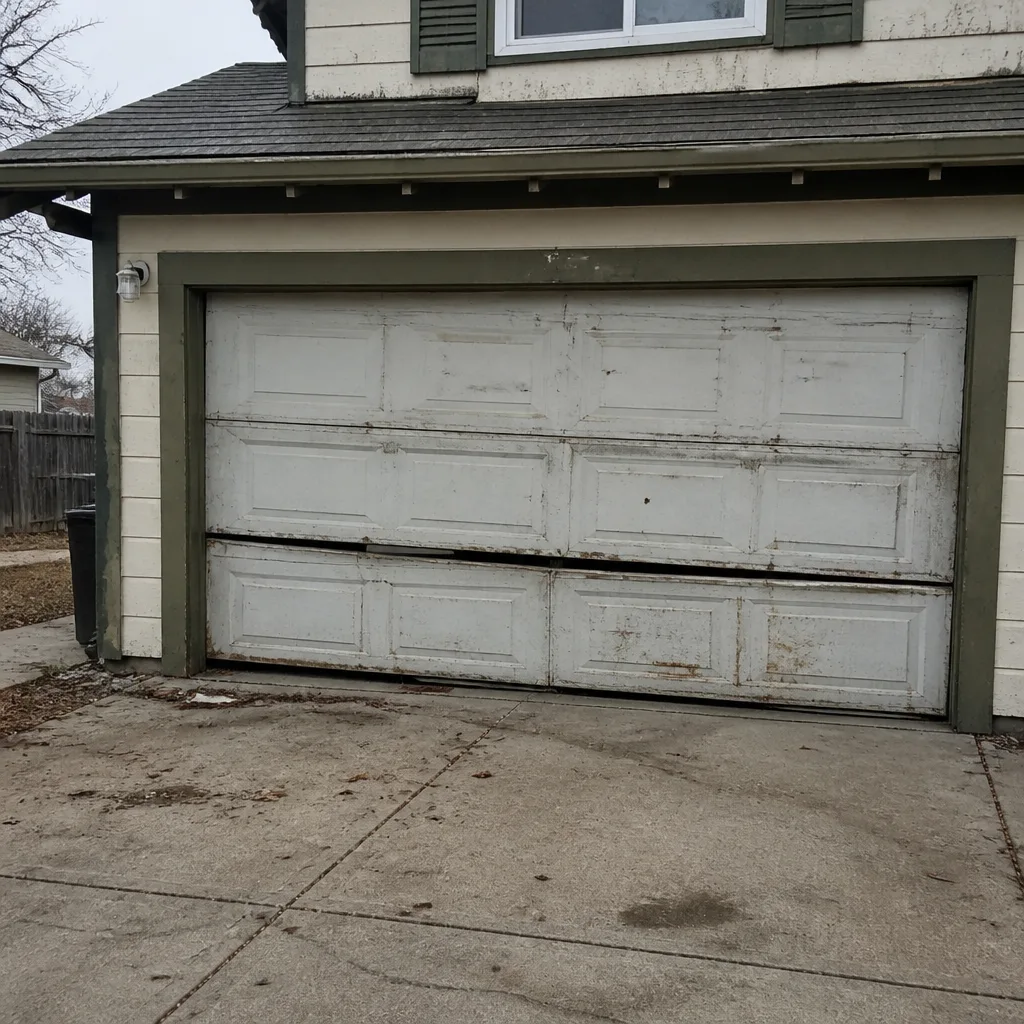 Before
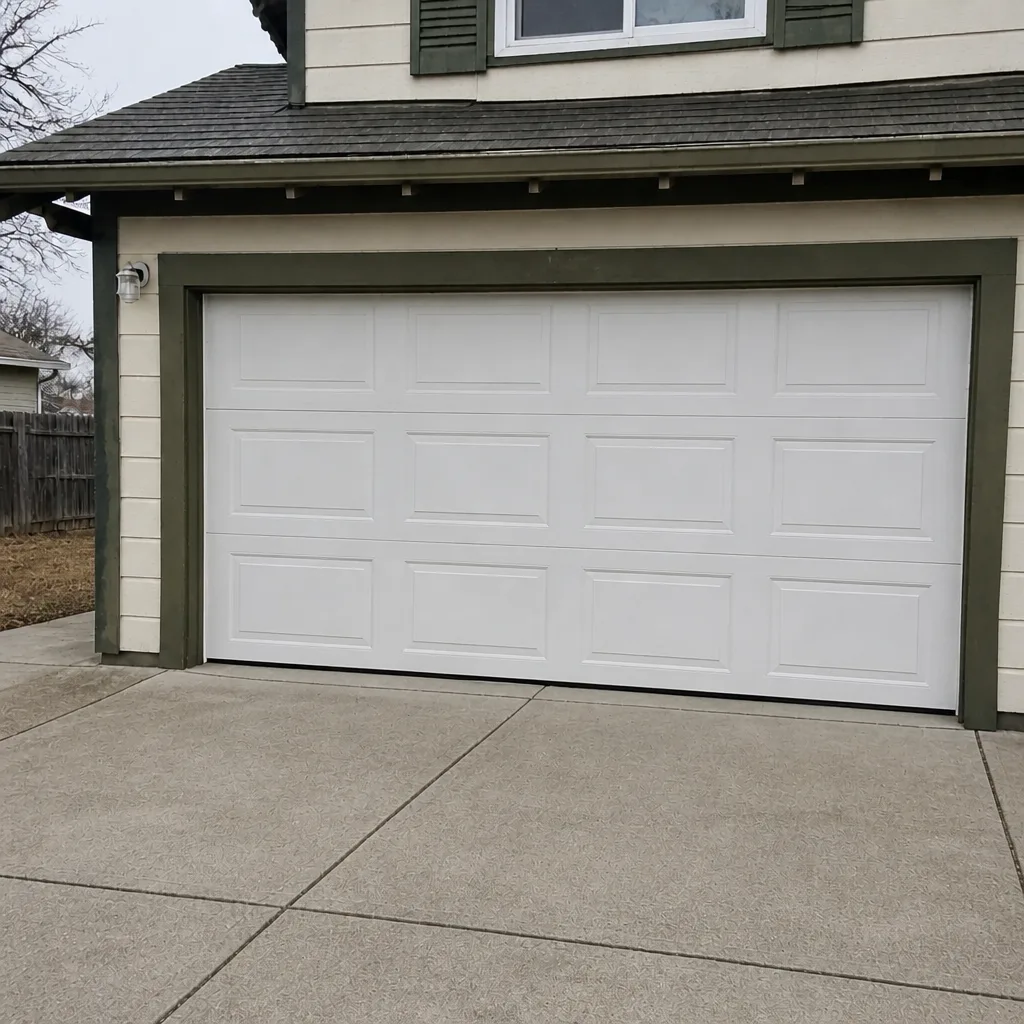 After
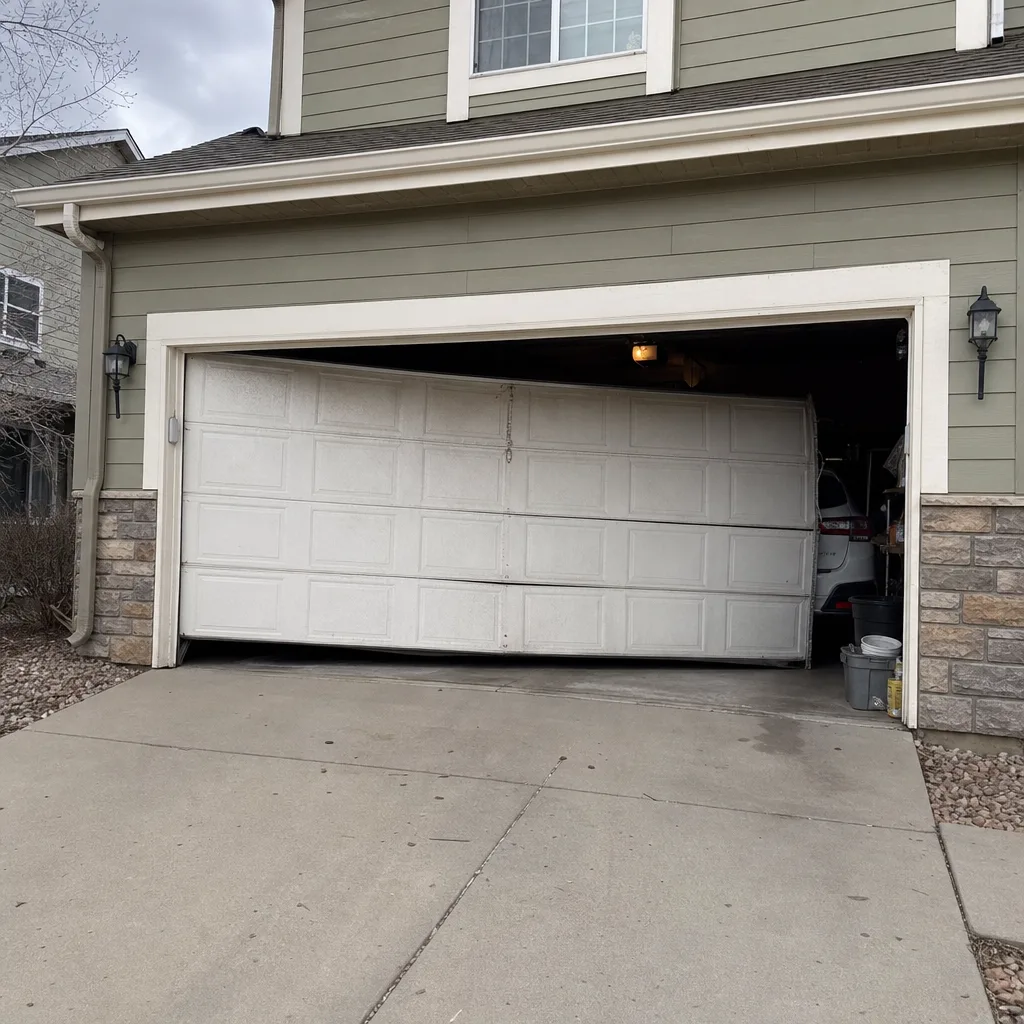 Before
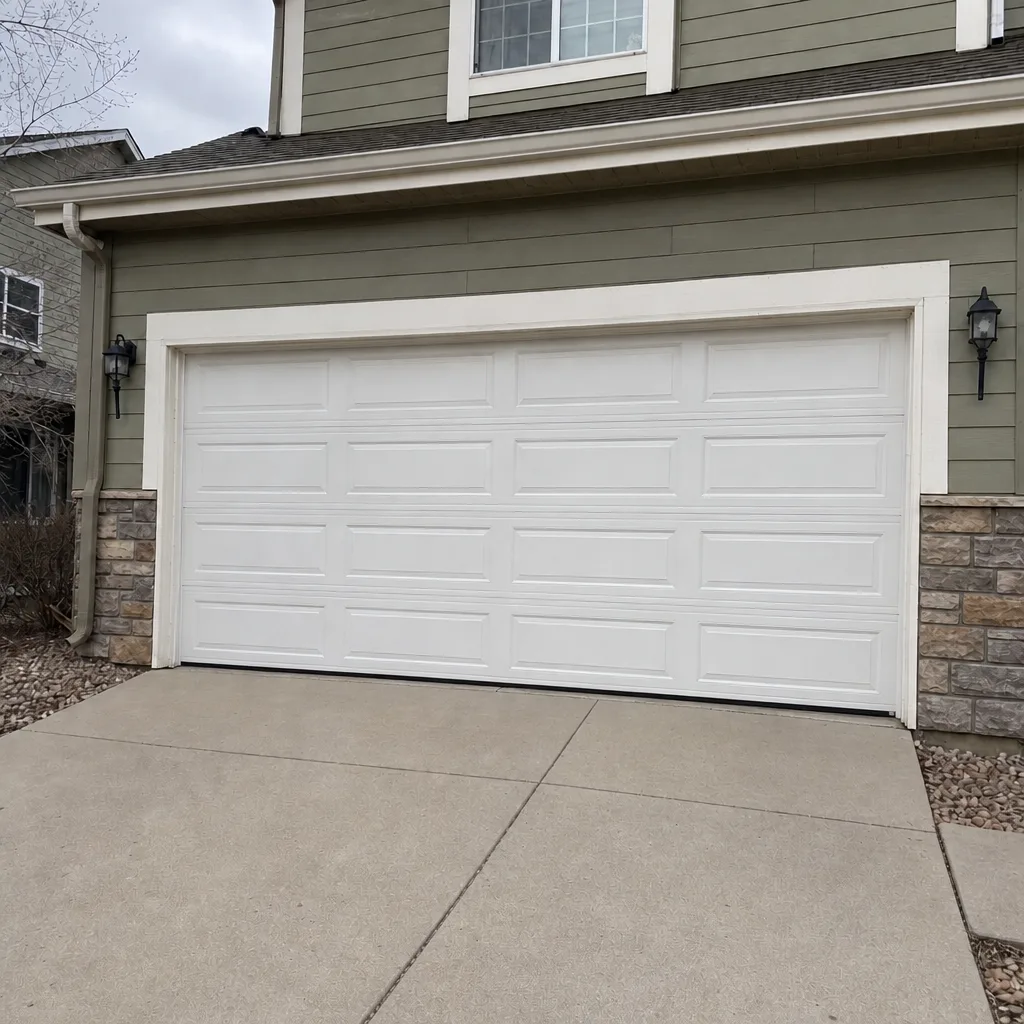 After
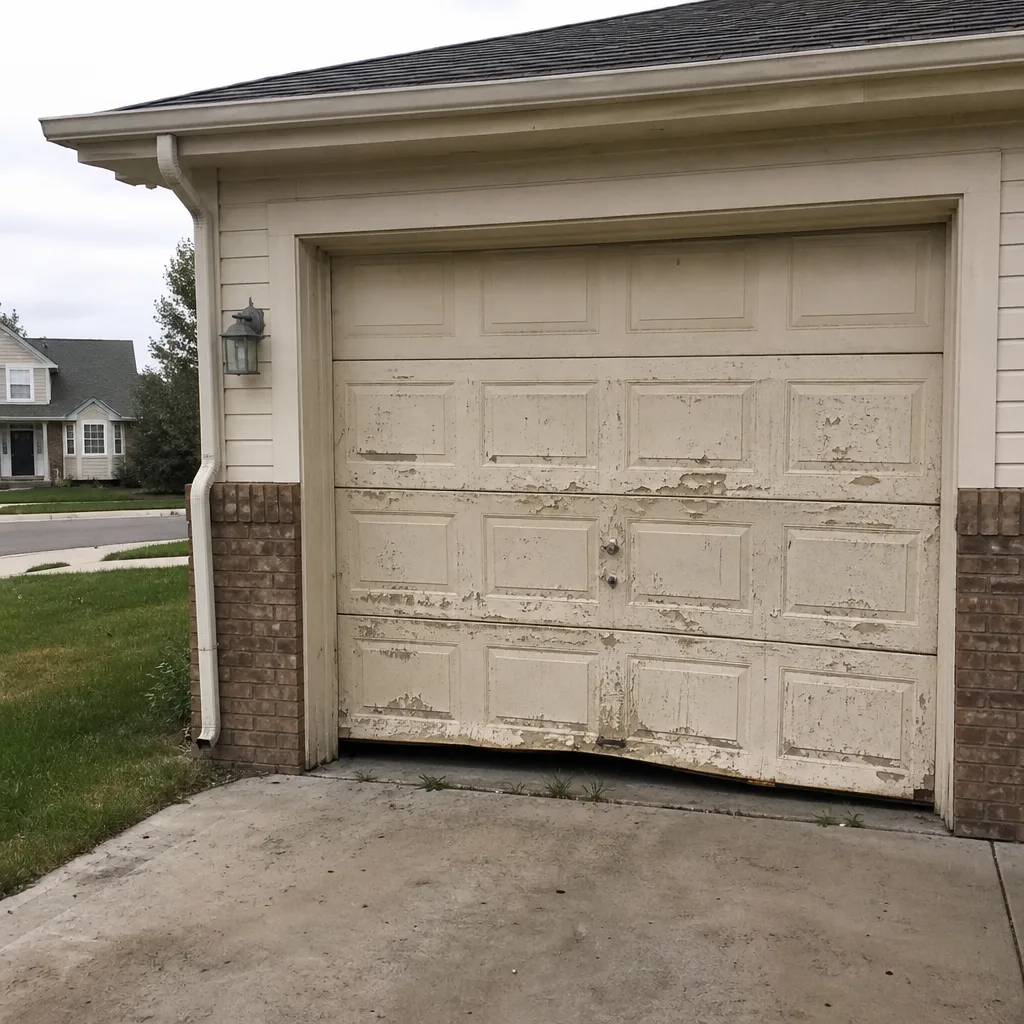 Before
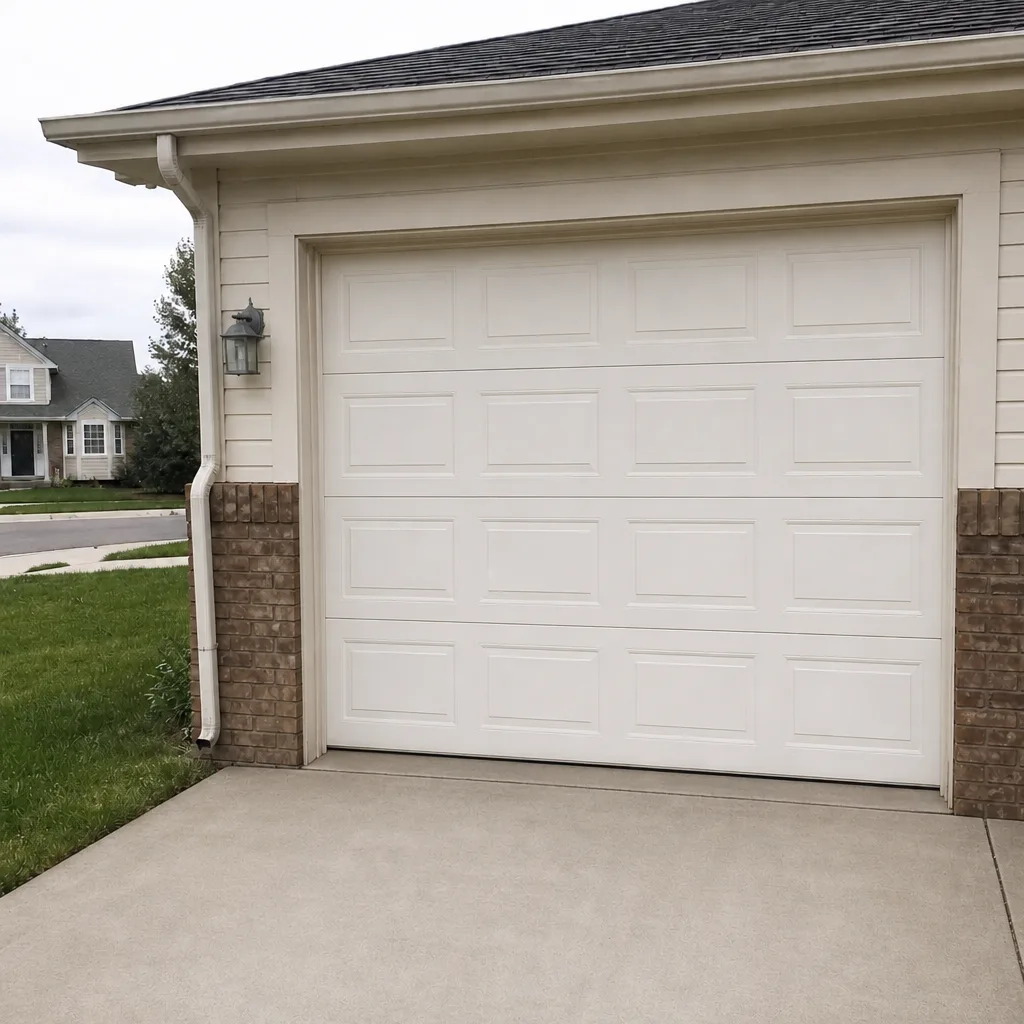 After
When to Call a Professional
Call when the door fails the manual release test, when you see a gap in a torsion spring or a separated extension spring, when the door comes off its track, or when the opener’s logic board codes won’t clear. Those are the situations where pushing forward on your own turns a repair into a hazard. Call us for a free estimate. Garage Door Repair Tallyn’s Reach quotes the price and agrees it with you before any work starts, so there’s no surprise on the invoice. Our technicians have up to 8 years of experience and work on LiftMaster, Chamberlain, Genie, Clopay, Amarr, Wayne Dalton, Craftsman, and Raynor systems. Parts are sold directly, which means most repairs are completed in a single visit. Call (888) 847-8567 and we’ll tell you what your symptoms point to.
Frequently Asked Questions
Pull the manual release and lift the door by hand. If it’s heavy or won’t hold its position, the spring has failed. If it lifts easily but the motor won’t run, the problem is the opener. That one test separates the two in under a minute. Call (888) 847-8567 for an exact quote, estimates are free.
Cold changes the tension and lubrication in the door’s moving parts, so a door that’s marginal in summer can fail in January. Springs get stiff, grease thickens, and the balance point shifts. It’s usually an adjustment, not a replacement, which is why noting the seasonal pattern helps us diagnose faster. Call (888) 847-8567 to book a free estimate.
Usually not. The sensors already passed when the door reached the floor. The limit switch or down force setting is the likely culprit, and a small limit adjustment often fixes it. If it keeps reversing after that, that’s a call. Call (888) 847-8567 for an exact quote, estimates are free.
No. Springs are under extreme tension and are the most dangerous common garage door failure. Never wind, unwind, or replace a spring yourself. A trained technician handles this repair. Call (888) 847-8567 and we’ll schedule spring repair at a quoted price.
The blinking pattern is a diagnostic code that points to a specific fault, usually sensors, travel limits, or the logic board. Count the blinks between pauses and check the label on your opener for what that count means. If the code points to a sensor, check alignment first. If it points to the board, that’s a parts repair. Call (888) 847-8567 for an exact quote.
No. We quote the work and you agree to it before anything starts, and the written estimate sets the final price. If we find something during diagnosis that changes the scope, we bring it to you before any extra work begins. Call (888) 847-8567 for a free estimate.
The Bottom Line
Work backward from the failure, not forward from the remote. Pull the manual release before you touch the opener. Lift the door by hand to test the springs. Read the blink code before you replace anything. A reversing door after it hits the floor is a limit switch, not a sensor. And a door that only fails in a Tallyn’s Reach January or a Colorado August is telling you about balance, not wear. Do the safe fixes yourself, and leave the springs alone. Knowing which is which is the whole game. If you’re unsure, call (888) 847-8567 and we’ll help you sort it out before you spend a dime on the wrong part.
Written by the team at Garage Door Repair Tallyn’s Reach.