Last updated November 23, 2026
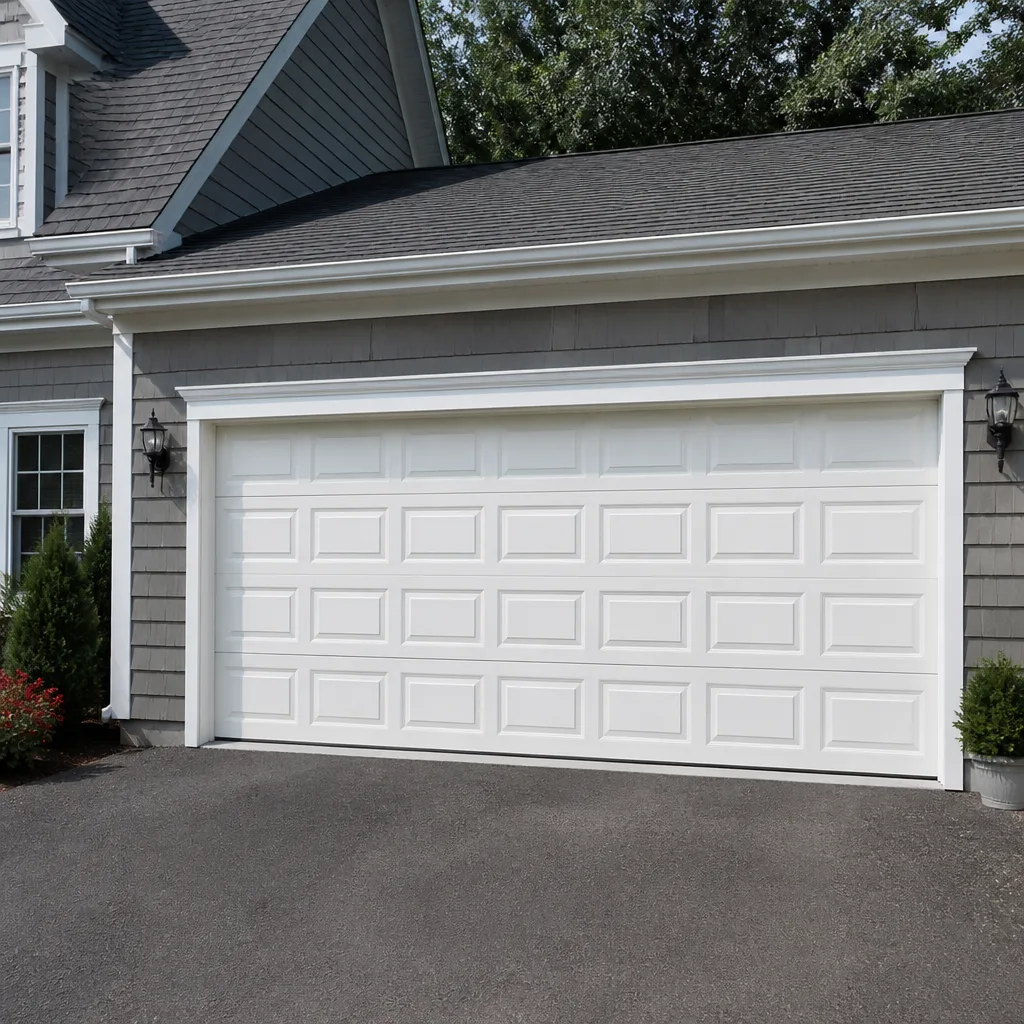 Raised-panel steel
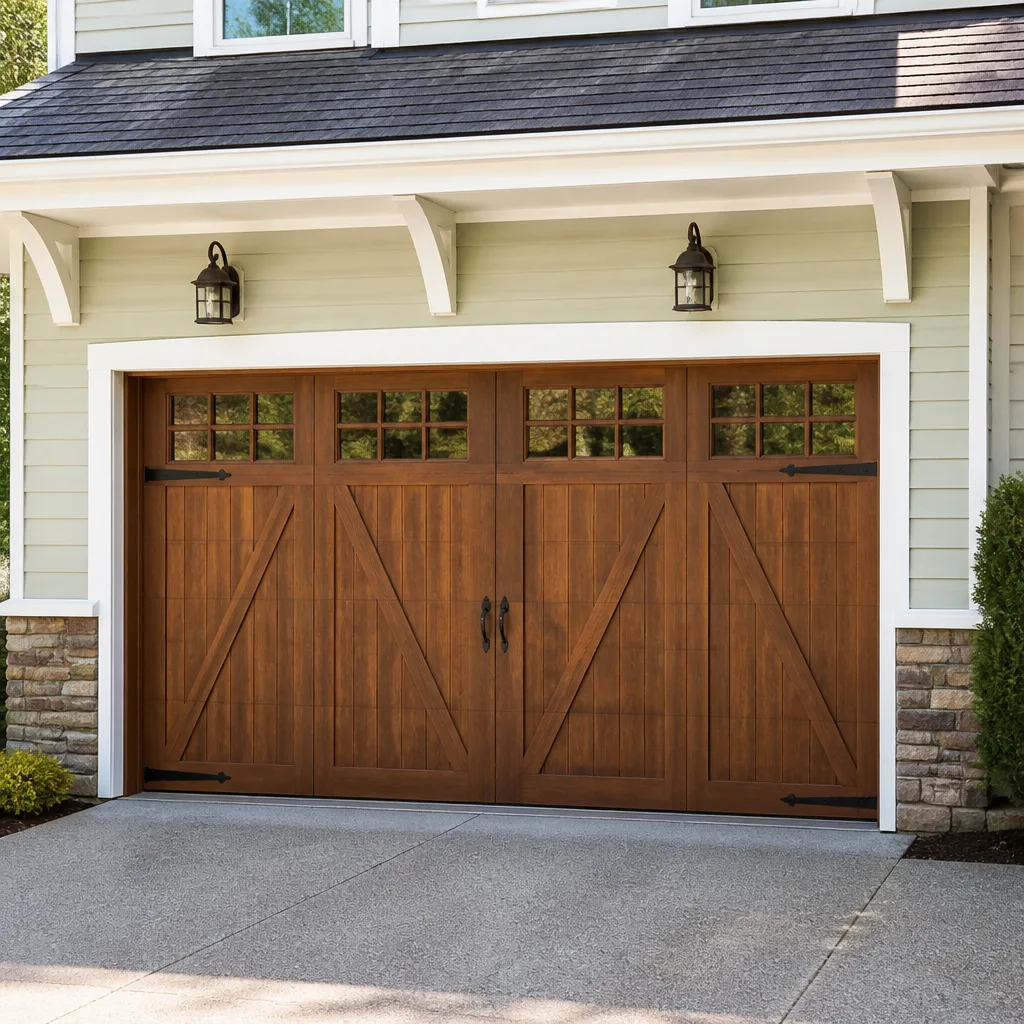 Carriage house
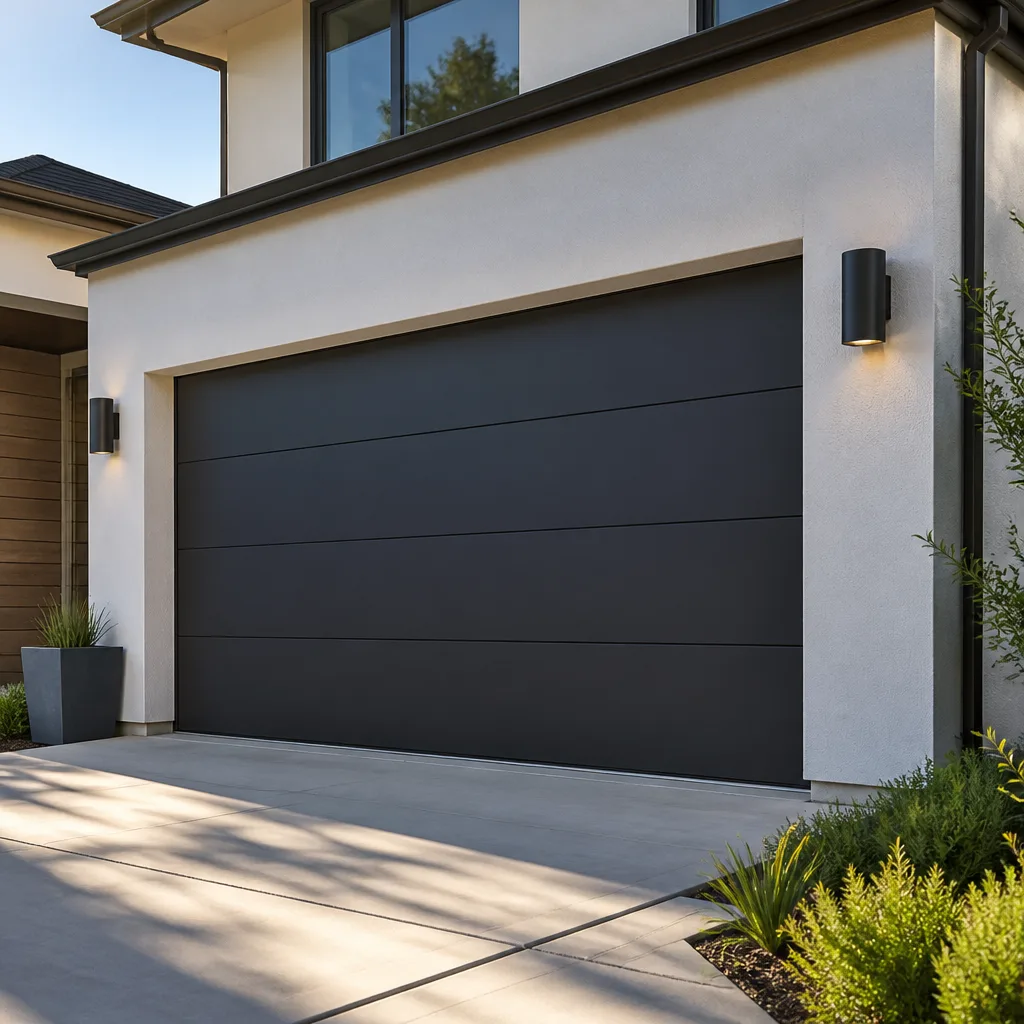 Modern flush
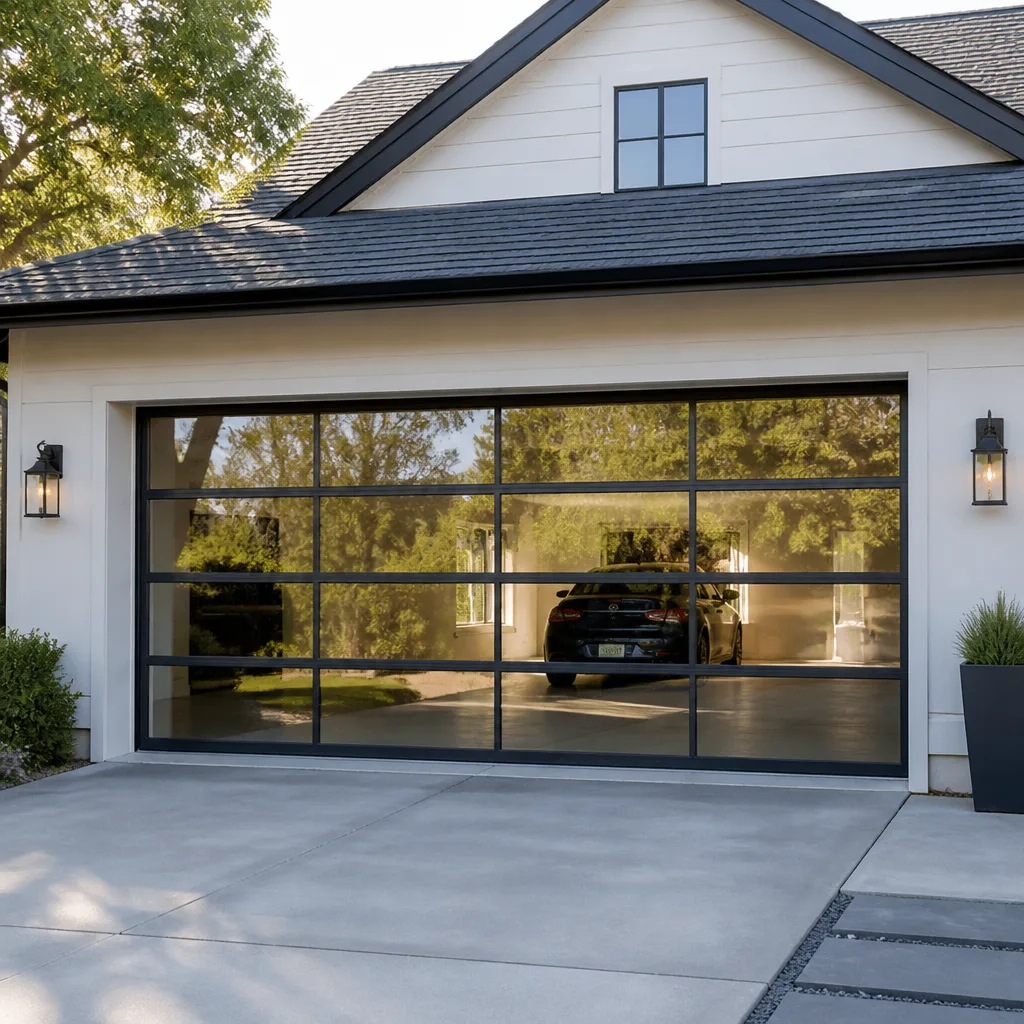 Full-view glass
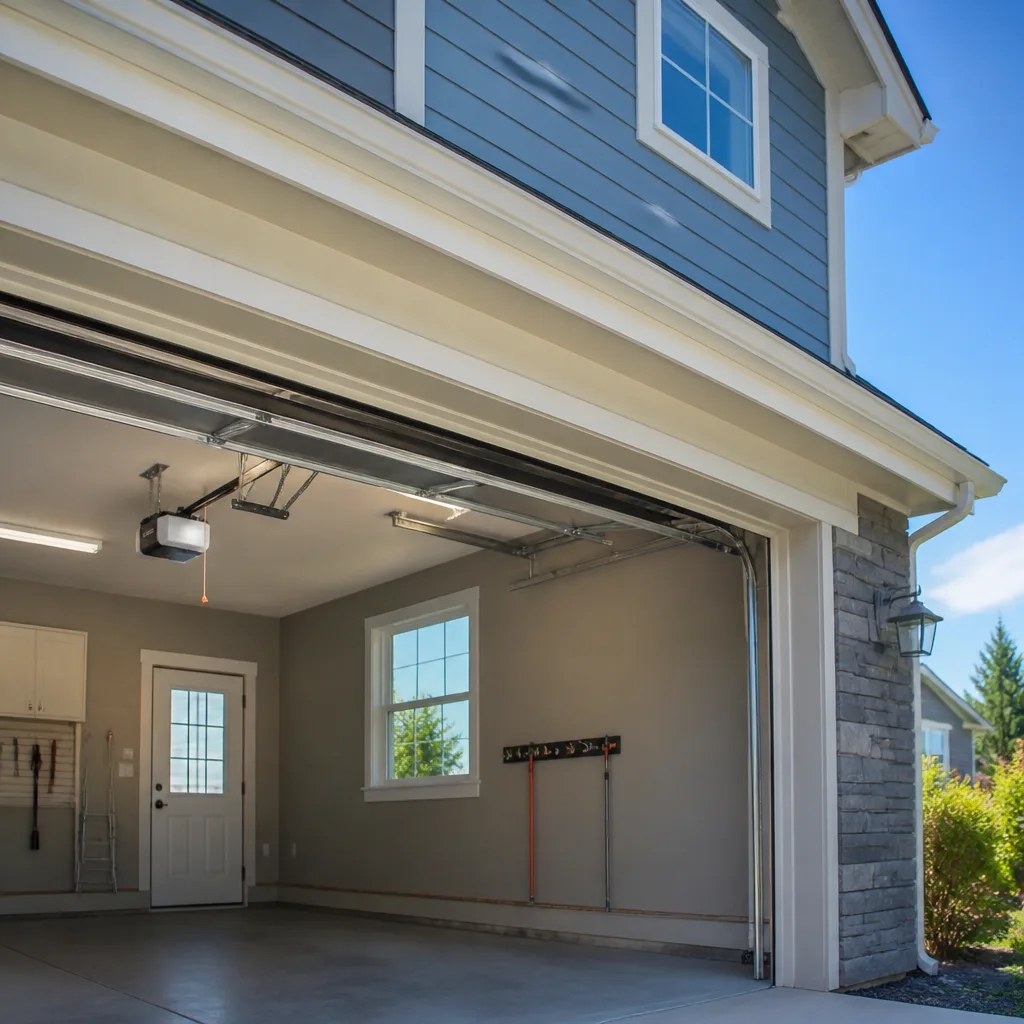 LiftMaster openers
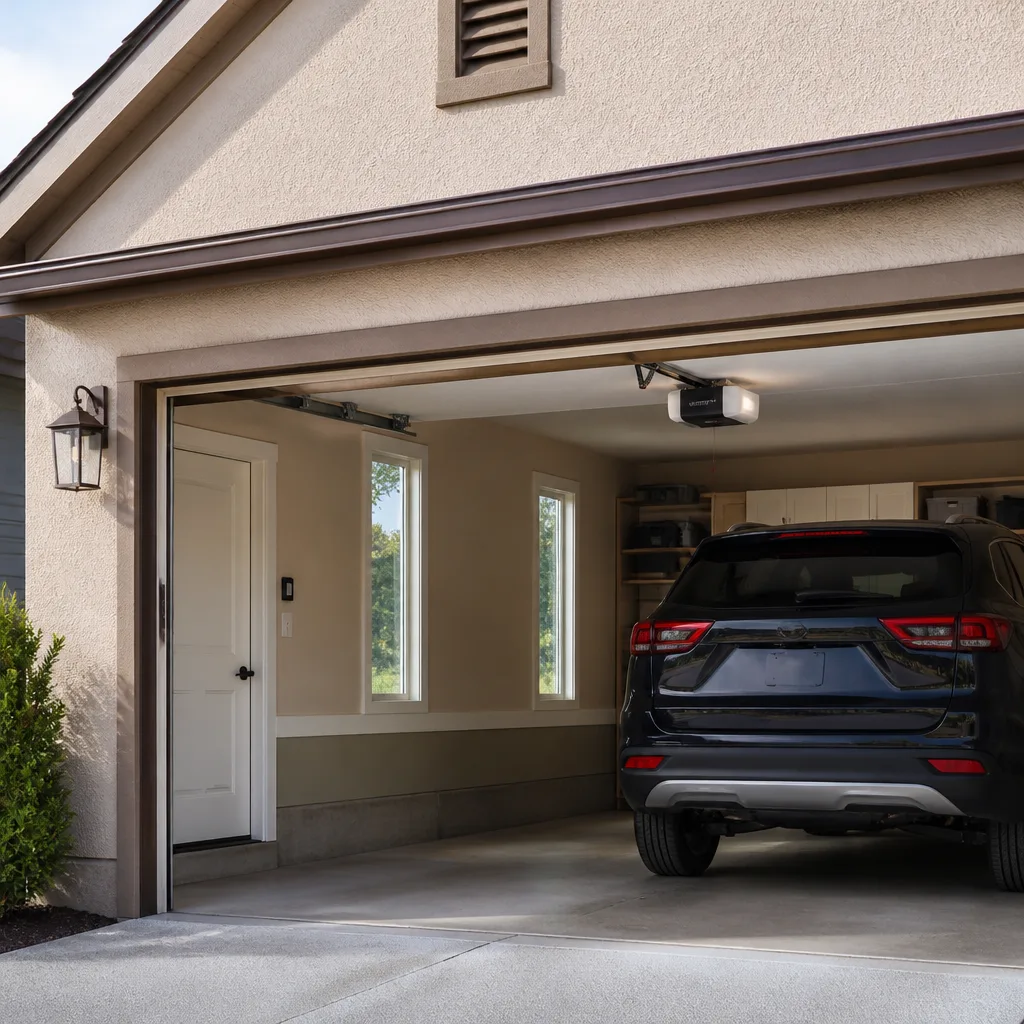 Chamberlain openers
Full 25-point door and opener safety check with every visit - springs, cables, rollers, tracks, and your LiftMaster or Chamberlain opener included
You get a price before we start. It does not change when the pro arrives.
Get your free estimateSeasonal Garage Door Care for Tallyn’s Reach: Year-Round Homeowner’s Guide
Most homeowners in Tallyn’s Reach assume their garage door is most likely to fail in the dead of January, when the cold is at its worst and everything feels brittle. In practice, we see a different pattern. The failures cluster in the shoulder weeks, when temperatures swing hard from a cold night to a mild afternoon and back again. Metal expands and contracts on that ride, and torsion springs take the abuse. This guide breaks the year into what actually happens to a garage door here: two high-stress periods and two maintenance windows. You’ll get a month-by-month calendar, a pre-winter checklist, and the fall adjustment almost nobody mentions.
Quick Answer
Seasonal garage door care in Tallyn’s Reach comes down to two things: prepare aggressively in October before the first hard freeze, and inspect closely in March when the freeze-thaw swing stresses springs the most. If you do those two things, you prevent most of the emergency calls that come from everything in between. Routine lubrication, balance checks, and hardware tightening the rest of the year keep the door tracking true and the opener running cool.
Styles & brands we work with
- Raised-panel steel
- Carriage house
- Modern flush
- Full-view glass
- LiftMaster openers
- Chamberlain openers
Table of Contents
- Why Tallyn’s Reach Has Two Garage Door Seasons, Not Four
- The Month-by-Month Garage Door Action Calendar
- Spring Thaw: The Highest-Risk Period for Torsion Spring Failure
- Pre-Winter Prep: Five Things to Do in October
- How Summer Heat Affects Your Opener’s Circuit Board
- The Fall Spring-Tension Adjustment Nobody Tells You About
- What to Check Yourself (and What to Leave Alone)
- Weatherstripping, Seals, and the Colorado Wind
Why Tallyn’s Reach Has Two Garage Door Seasons, Not Four
The standard advice you’ll find online splits garage door maintenance into four tidy seasons. Spring clean, summer cool, fall prep, winter endure. That template was written for a climate with gradual transitions, and Tallyn’s Reach doesn’t run that way. Our weather moves in swings: a stretch of 15°F nights followed by afternoons that push past 50°F, then back into the freezer. That up-and-down is harder on metal than a long, steady cold snap.
Think about what a torsion spring actually does. It’s a coiled piece of steel under constant tension, holding the full weight of your door. Every time the door opens and closes, the spring flexes. Every time the temperature rises and falls, the steel expands and contracts too, adding a second cycle of stress that has nothing to do with daily use. In sustained cold, that second cycle is slow and mild. In a rapid swing, it’s sharp and frequent. That’s why spring failures here tend to bunch up in the transition weeks rather than the depths of winter.
So we frame the year in two halves. Deep winter and spring thaw are the high-stress periods, when the door is working hardest against the elements and the metal. Late spring into fall is your maintenance window, when you have time to catch small problems before they become urgent. Treating these four phases as equal is how homeowners end up making a panicked call on a morning when the door won’t lift.
There’s a local wrinkle too. Homes in Tallyn’s Reach sit at altitude, and the dry air here affects wood door panels and weather seals differently than the humid climates a lot of generic advice assumes. Seals dry out and crack faster. Wood panels can shrink slightly, changing how the door seats against the frame. None of that is dramatic on its own, but it compounds with temperature swing, and it’s why a maintenance rhythm tuned to this area beats a one-size-fits-all schedule.
The Month-by-Month Garage Door Action Calendar
Here’s the calendar we’d hand a Tallyn’s Reach homeowner if we could only give them one page. It’s built around our actual weather patterns, not a generic four-season template.
- January and February – high-stress watch. Cold, hard-working months. Listen for new noises, watch the door’s travel, and don’t force anything that’s binding. If a spring is going to fail, this is when you want to have already done your October prep.
- March – the critical inspection month. Freeze-thaw cycling peaks. Do a close visual check of springs, cables, and rollers. This is the month to catch a stretched or fatigued spring before it snaps.
- April and May – recovery and tune-up. Clean and lubricate hinges, rollers, and tracks. Test the auto-reverse safety feature. Check that the door is balanced.
- June through August – heat watch. Focus shifts to the opener. Keep the garage ventilated, watch for sluggish response, and listen for the motor straining. Circuit boards run hot in summer.
- September – pre-season inspection. Begin the transition. Check seals and weatherstripping before the cold sets in, and look over the door’s balance.
- October – the big prep month. This is the five-item protocol below. It’s the single most valuable month on the calendar.
- November and December – early winter settle-in. Watch for the first real cold snap and confirm the door is still operating smoothly at low temperatures.
The point of a calendar like this is to shift your effort toward prevention. A door that gets inspected in March and prepared in October rarely surprises you in January. A door that gets attention only when something breaks tends to break at the worst possible moment. If you’d rather have a professional walk the whole list with you, Garage Door Repair Tallyn’s Reach covers that kind of seasonal inspection.
Spring Thaw: The Highest-Risk Period for Torsion Spring Failure
March is when we see the most torsion spring failures, and the reason is thermals. A spring that survived December’s steady cold can fail in the first warm week of spring, because the metal went through dozens of fast expansion-contraction cycles as the days warmed and the nights stayed below freezing. Fatigue builds faster under that pattern than under constant cold.
What should you actually check in March? A few visual signs tell you a spring is stressed:
- A visible gap or separation in the coil. Torsion springs should be one continuous coil; a gap means a section has already broken or is about to.
- Rust streaks or discoloration on the spring, which point to moisture working on the metal over winter.
- A door that lifts unevenly or feels heavier than it used to. A weakening spring is losing its lifting force.
- Loud popping or banging when the door operates. That’s a warning sign, not normal operation.
Here’s the safety piece that matters more than anything else on this page: torsion springs and the cables under them are under enormous tension. A broken spring can snap violently, and adjusting or replacing one without the right tools and training is genuinely dangerous. Don’t try to wind, unwind, or remove a spring yourself. If you see the signs above, treat the door as out of service and have it looked at by a trained technician. Our spring repair work is a dedicated service precisely because this is one of the most hazardous failures a garage door can have. For anything you’re not sure about, garage door repair is the call that gets eyes on it safely.
Pre-Winter Prep: Five Things to Do in October
October is the maintenance window that pays for itself. The first hard freeze is coming, and these five items are what separate a quiet winter from a January emergency call. Work through them before the cold locks in.
- Lubricate the moving parts. Hinges, rollers, and the torsion spring itself (use a proper garage door lubricant, not WD-40). A lubricated door runs with less strain, which matters most when the cold makes everything stiffer.
- Test the door balance. Disconnect the opener and lift the door halfway by hand. If it won’t stay put, the springs are out of balance, and that imbalance gets worse in cold weather. Don’t attempt to correct the tension yourself; note it and call.
- Check the weatherstripping and bottom seal. Cold air and snow sneak in through worn seals, and a drafty garage invites moisture problems. Look for cracks, brittleness, or a seal that’s coming loose along the bottom edge.
- Inspect the tracks and tighten hardware. Look for bent tracks, loose bolts, and rollers that have worn flat. A track that’s slightly out of alignment in October can bind badly once the metal contracts in the cold.
- Test the safety reverse. Put a small object in the door’s path and confirm the door reverses on contact. This safety feature needs to work when the door is under winter stress, not just when it’s mild out.
If any of these turn up a problem, fix it in October rather than waiting for it to fail in December. We carry the parts for most major brands and complete most repairs in a single visit, so an October tune-up doesn’t have to turn into a scheduling headache. If your door needs more than a tune-up, full garage door installation is something we handle as well.
How Summer Heat Affects Your Opener’s Circuit Board
Homeowners tend to think about the door in winter and forget the opener entirely until it stops responding. Summer is when the opener gets its hardest workout on the electronics side. The control board is where the logic that runs the whole system lives, and heat is its enemy.
Even in a ventilated garage in Colorado, the space can run hotter than the outdoor temperature. A west-facing garage takes direct afternoon sun for hours. A closed garage holds that heat. The opener mounted to the ceiling sits in that pocket of warm air all day. Over time, heat stresses the electronics, and you get the symptoms: a remote that stops responding, a door that opens partway and stops, or an opener that works in the morning and quits by afternoon.
What can you do about it in summer? Keep the garage as well-ventilated as you reasonably can. Open a window or the man door when it’s safe to do so. Don’t stack stored items against the opener or block its airspace. Be aware that extreme heat alone is rarely the whole story; often the opener is already marginal from age or a failing component, and heat pushes it over the edge. If your unit is a LiftMaster or Chamberlain system, the newer smart models have their own diagnostics and app feedback that can flag trouble. Older Craftsman and Genie units don’t, so the symptoms show up as intermittent behavior you have to notice yourself.
If your opener is already misbehaving in summer heat, it usually won’t fix itself. That’s the point to bring in garage door opener repair rather than keep resetting it. We know the major systems, so diagnosis is straightforward.
The Fall Spring-Tension Adjustment Nobody Tells You About
This is the step that almost no homeowner manual mentions, and it catches people off guard every fall. As temperatures drop, the door panel’s weight behavior changes. Wood panels can hold a little more moisture in the fall and behave differently than they do in the dry summer months. Steel doors contract slightly. The upshot is that a door that was perfectly balanced in August can feel heavy and out of balance by late September.
That’s the door, not the spring. But the effect is the same as a weakening spring: the opener works harder to lift the door, the door travels less smoothly, and the whole system strains. Homeowners often assume the spring is failing when really the balance needs attention for the changing season.
So what’s the fall adjustment? In practice it’s an inspection and, if needed, a professional rebalance. This is not the kind of adjustment a homeowner should make. Adjusting spring tension means dealing with the torsion system under load, which is exactly the risk we warned about earlier. The step that most guides skip is simply knowing to check your door’s balance and smoothness each fall, and to have it corrected if it’s drifting. Catching it in fall prevents a strained opener and a hard-working door from becoming a winter failure.
A quick balance test (disconnect the opener, lift the door halfway, and see if it stays) tells you whether it’s time. If it doesn’t hold, that’s your signal. Our technicians have up to 8 years of experience with the major brands, and rebalancing is routine work for us.
What to Check Yourself (and What to Leave Alone)
There’s a line between routine care you can handle and work that should go to a professional. Here’s how we’d draw it.
Safe to do yourself:
- Visual inspection of springs, cables, rollers, and tracks for obvious wear or damage.
- Lubricating hinges, rollers, and the spring with a proper door lubricant.
- Testing the auto-reverse safety function.
- Tightening visible bolts on the hinges and brackets (hand-tight, not cranked down).
- Clearing the tracks of debris and checking for bends.
Leave to a trained technician:
- Anything involving the torsion spring or the cables – these are under high tension and can cause serious injury.
- Replacing or adjusting springs.
- Correcting a bent or misaligned track, which requires the right tools and understanding of load.
- Opener troubleshooting that involves the internal components or the control board.
- Any situation where the door is off its tracks or stuck in a dangerous position.
The rule of thumb is simple. If the door is holding weight on a tensioned part, that’s professional territory. The rest, you can inspect in a few minutes each season.
Weatherstripping, Seals, and the Colorado Wind
Tallyn’s Reach gets its share of wind, and wind finds every gap. Weatherstripping is the part of the garage door system that does the most quiet work and gets the least attention. It seals the gaps around the door, keeps wind and moisture out, and helps protect the door’s hardware from the elements.
In Tallyn’s Reach’s dry air and temperature swings, seals crack and lose their flexibility faster than they would in a humid climate. That’s why checking and replacing them belongs on the seasonal calendar, not just when you happen to notice a draft. A worn seal lets wind-driven dust and moisture into the garage and lets cold air into the space where your door’s springs and opener live.
Check the bottom seal for cracks, brittleness, or looseness along the floor. Check the side and top weatherstripping for gaps or tears. When you replace it, use the right seal type for your door. It’s a small part of the system but it does real work. If you’re not sure what your door takes, that’s a good question to ask when you call for a seasonal inspection.
Common Mistakes to Avoid
- Treating all four seasons the same. The biggest mistake in Tallyn’s Reach is following a generic schedule that misses the spring thaw and October prep, which are the two most important windows on our calendar.
- Lubricating the tracks. Tracks should stay clean and dry. Lubricating them attracts dust and grit that makes the door work harder, especially in a dry climate.
- Assuming a heavy door means a bad spring. Sometimes it’s just the seasonal balance shift, and the door needs a rebalance, not a new spring. Letting someone replace springs that didn’t need it wastes money.
- Ignoring March. The freeze-thaw cycles peak in March, and a door that coasted through winter can fail in the first warm week. Don’t skip the spring inspection.
- Force the door when it’s binding. Repeatedly running a binding door strains the opener and can bend the track. Stop and have it looked at.
- Trying to adjust a torsion spring yourself. This is the dangerous one. Springs store serious energy; leave adjustment and replacement to a trained technician.
- Waiting for a symptom before servicing the opener. By the time the opener quits, a circuit board or gear might be failing. Seasonal checks catch the warning signs earlier.
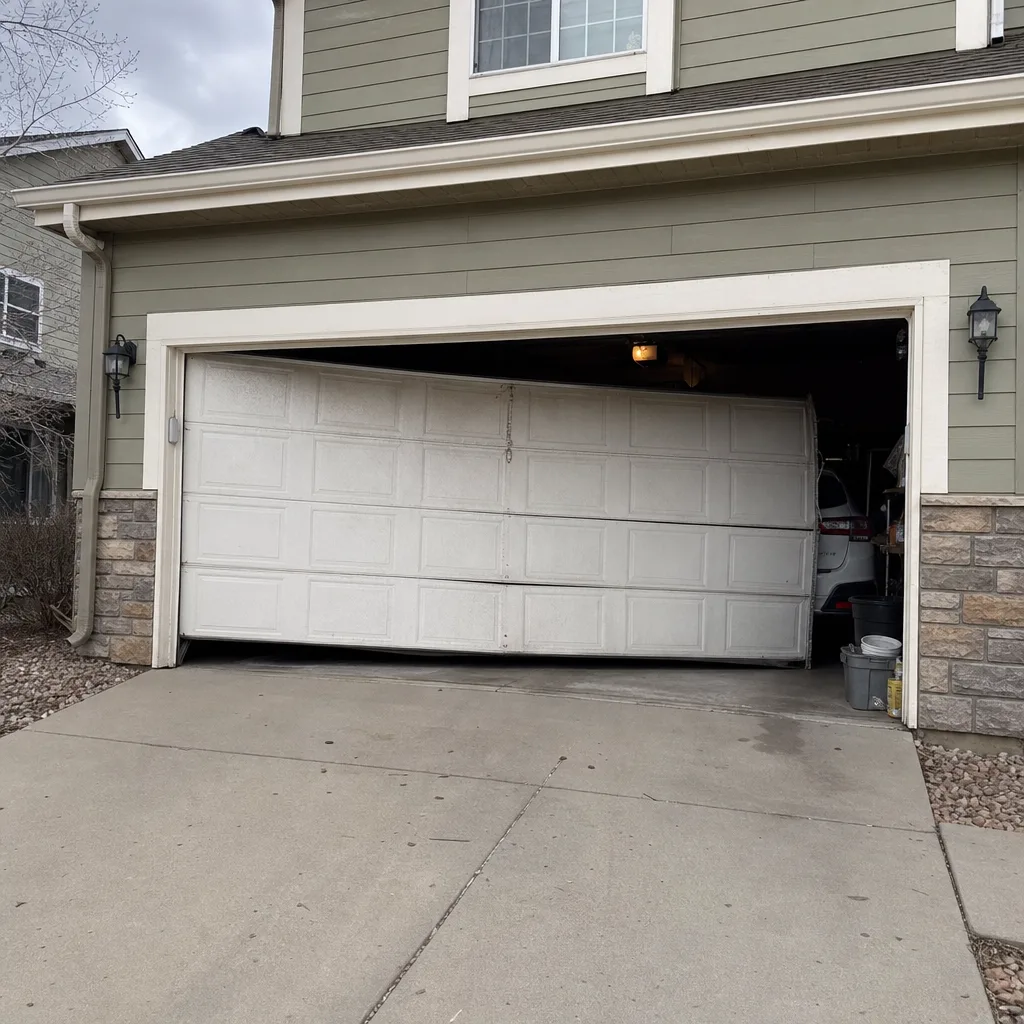
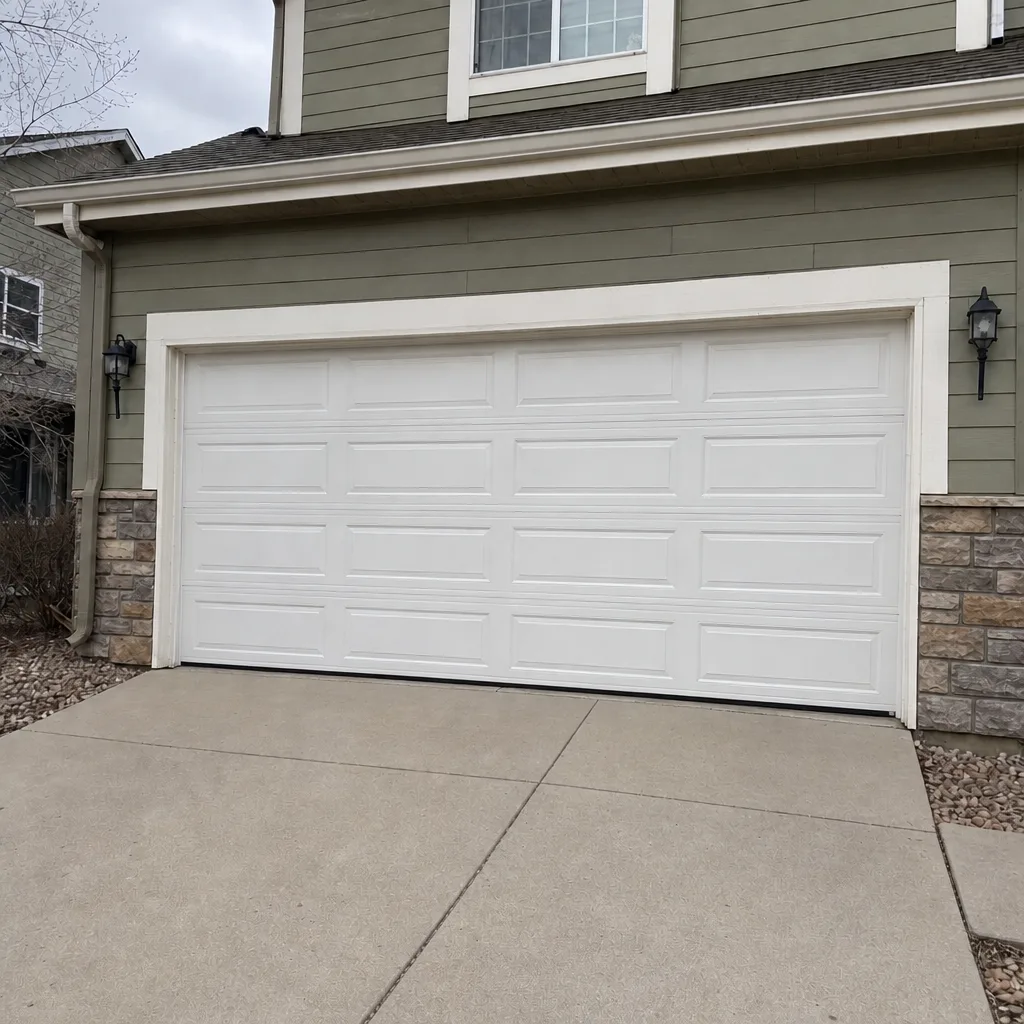
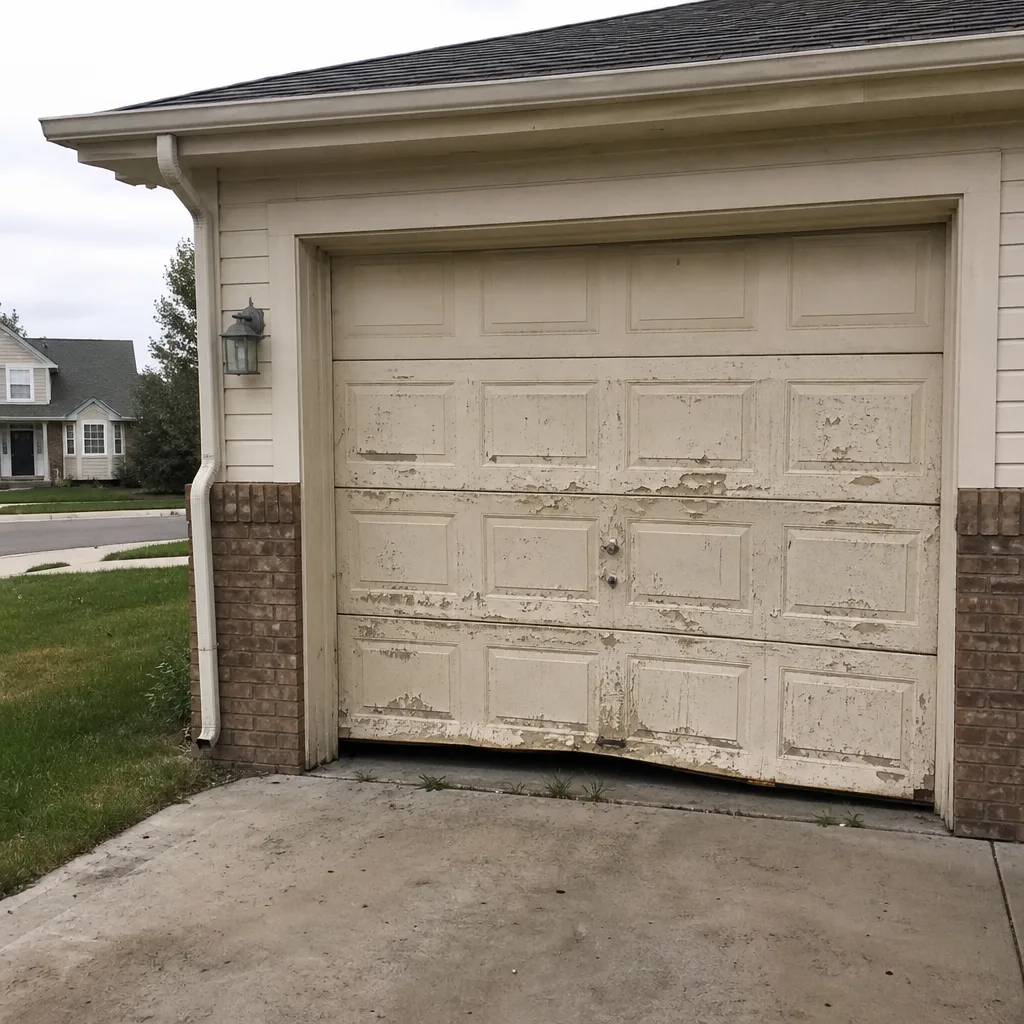
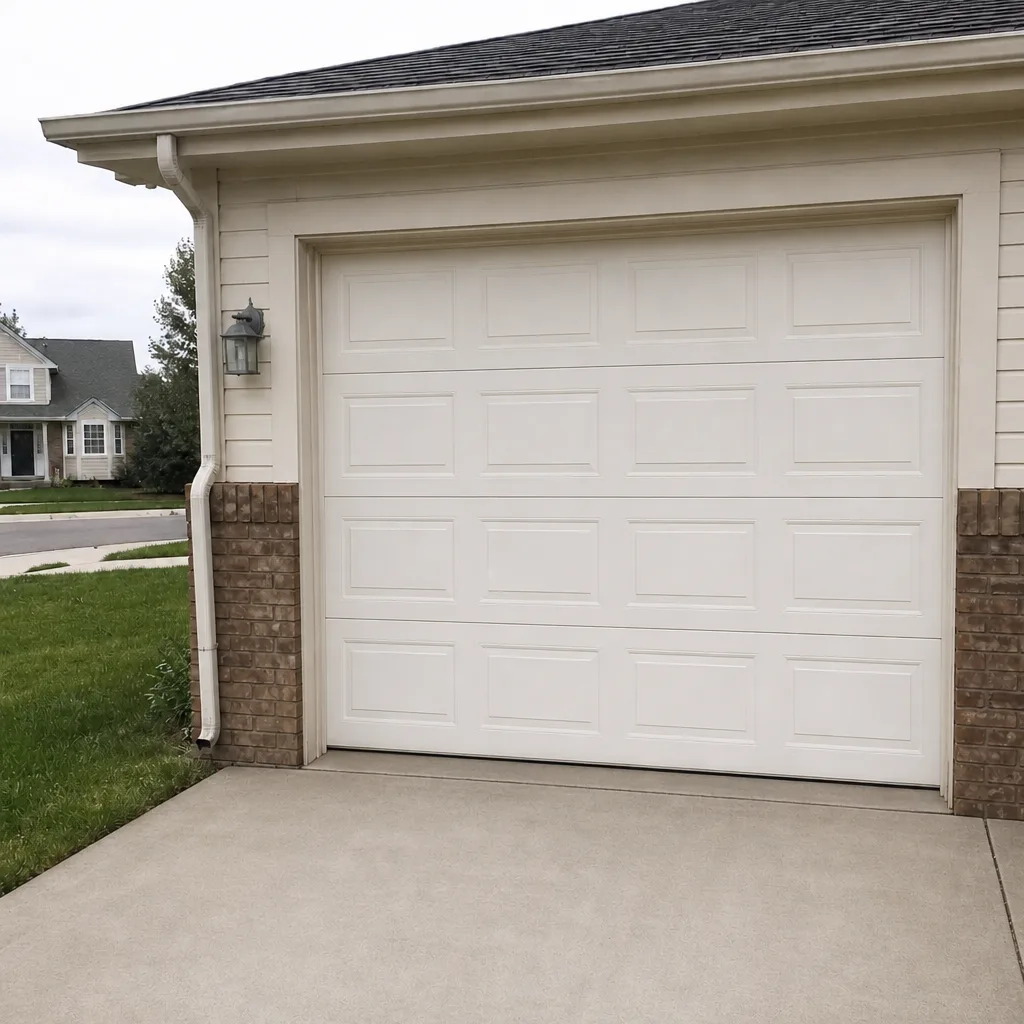
See the difference
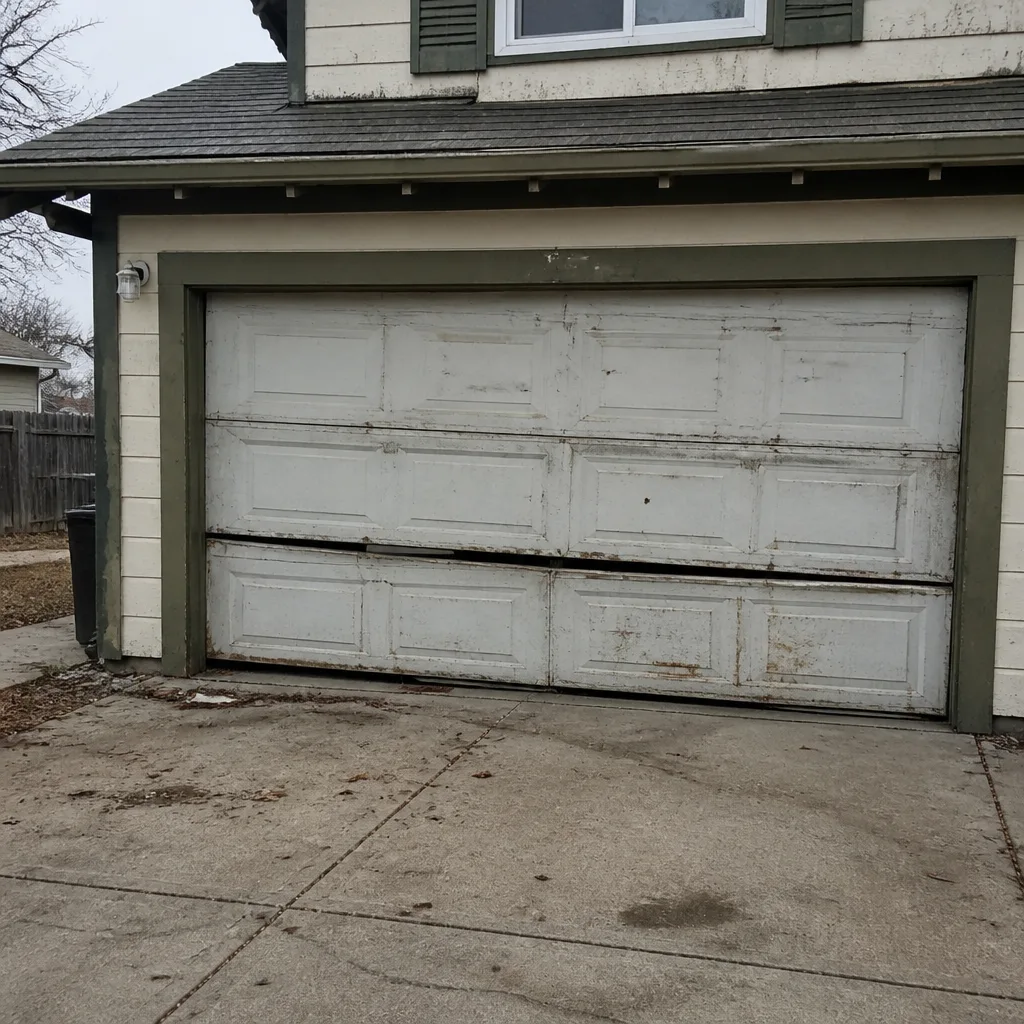 Before
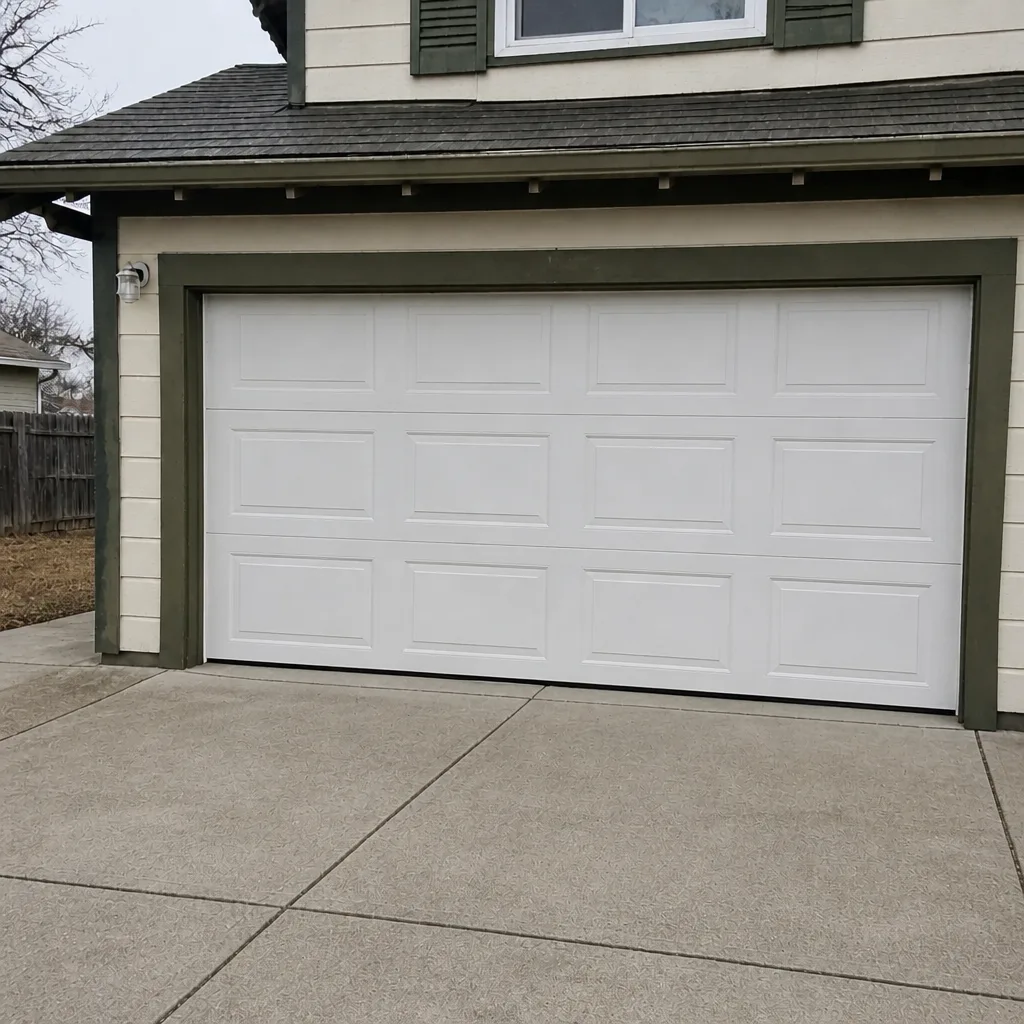 After
 Before
 After
 Before
 After
When to Call a Professional
Some things you can check yourself, and some you shouldn’t touch. Call a professional if you see a gap or rust on a torsion spring, if the door feels heavier or lifts unevenly, if it’s off its tracks, or if the opener responds intermittently or strains in the heat. If a spring breaks, stop using the door and call; it’s not safe to operate. If the door is binding, popping, or making new noises, that’s a signal to get it looked at before it gets worse. Garage Door Repair Tallyn’s Reach offers free estimates in Tallyn’s Reach – call (888) 847-8567. We handle spring repair, opener repair, and parts in a single visit for most jobs, and our technicians have up to 8 years of experience across the major brands.
Frequently Asked Questions
October is the single most important month, followed by March. October prep prevents cold-weather failures, and March inspection catches spring fatigue from the freeze-thaw swing. The rest of the year, routine lubrication and balance checks keep it running smoothly. If you do only two things, do those two months. Call (888) 847-8567 for a seasonal inspection – estimates are free.
Because the rapid temperature swing from cold nights to warm afternoons cycles the metal faster than steady cold does. Fatigue builds up over dozens of freeze-thaw cycles, and the spring reaches its limit in the transition weeks. That’s why March is our highest-risk month for spring failure. If you notice a gap or rust on a spring, call a technician – don’t touch it yourself.
Five things: lubricate the moving parts, test the door balance, check the weatherstripping, inspect the tracks and tighten hardware, and test the safety reverse. These catch most winter problems before they start. If anything turns up a real issue, fix it in October rather than waiting. Call (888) 847-8567 to book the check.
Yes, in the sense that heat stresses the control board and other electronics. Even a ventilated garage in Colorado can run hot, especially a west-facing one, and a marginal opener is more likely to fail under that heat. Keep the garage ventilated and don’t block the opener. If it’s acting up, have it diagnosed before it quits.
Your written quote is the price. We look at the door, give you a written estimate based on what the job actually requires, and that’s what you pay. No surprise invoice larger than the quote. Call (888) 847-8567 for an exact quote – estimates are free.
The local professionals we connect you with are licensed and insured as the state requires. We handle spring repair, opener repair, parts, and installation, and our technicians have up to 8 years of experience across the major brands. Call (888) 847-8567 with any questions before you book.
The Bottom Line
Seasonal garage door care in Tallyn’s Reach isn’t four equal seasons. It’s two high-stress periods (deep winter and the spring thaw) and two maintenance windows (late spring through fall). Work the month-by-month calendar, do the five-item October prep, inspect closely in March, and don’t ignore the opener’s heat exposure in summer. The fall balance check is the step almost nobody mentions, and it’s worth doing every year. Do those things and you’ll head off most of the failures that turn into urgent calls. When something’s beyond routine, don’t force it.
Whether you need a seasonal inspection, spring repair, or a new opener, we’re here to help. Call (888) 847-8567 for a free estimate. We service LiftMaster, Chamberlain, Genie, Raynor, Clopay, Amarr, Wayne Dalton, and Craftsman systems, sell parts directly, and complete most repairs in a single visit.
Written by the team at Garage Door Repair Tallyn’s Reach.