Last updated November 23, 2026
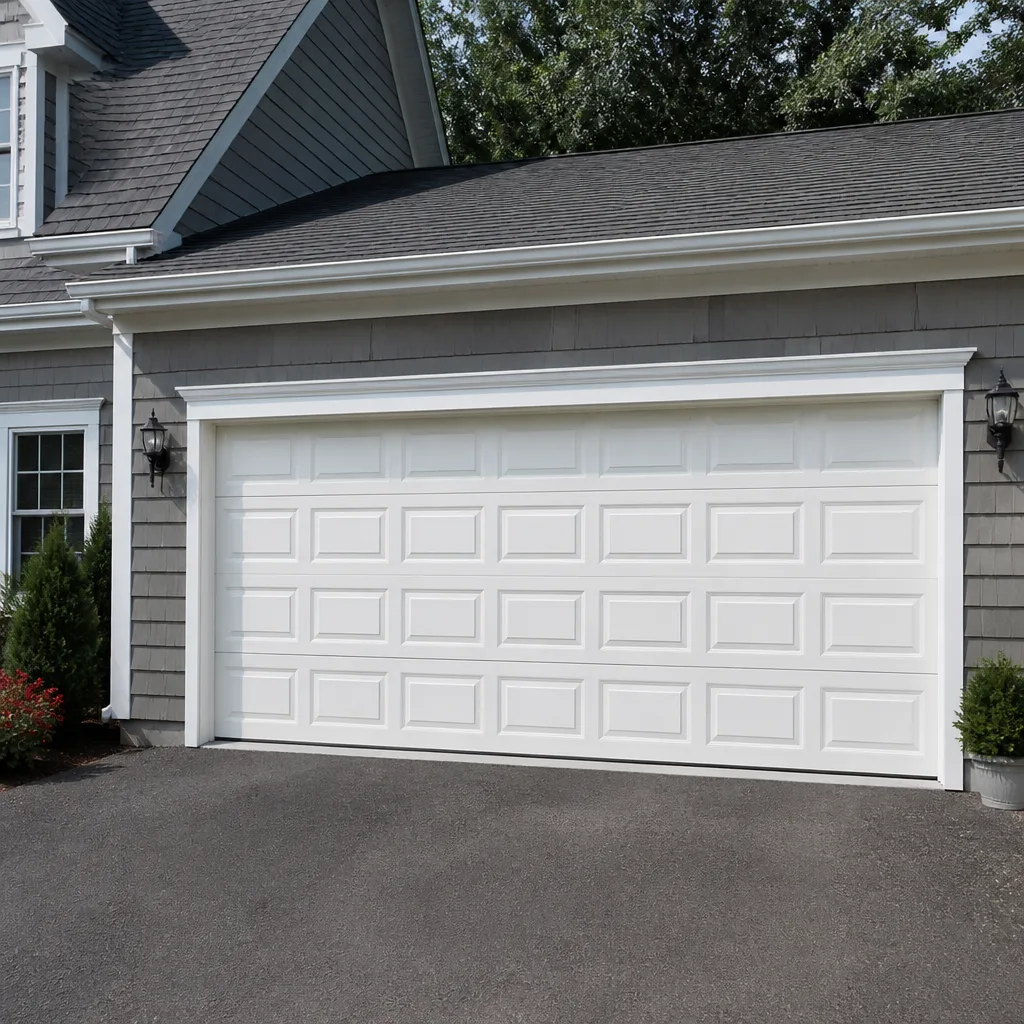 Raised-panel steel
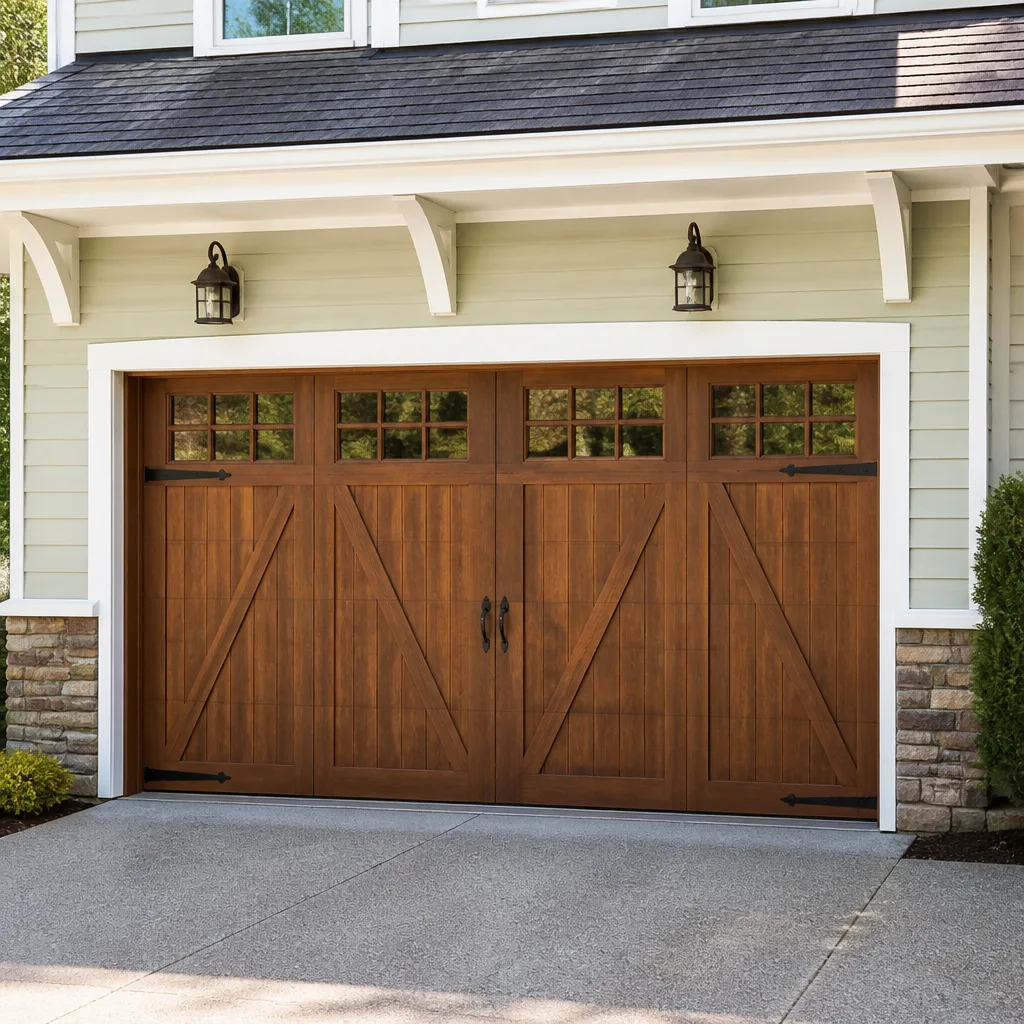 Carriage house
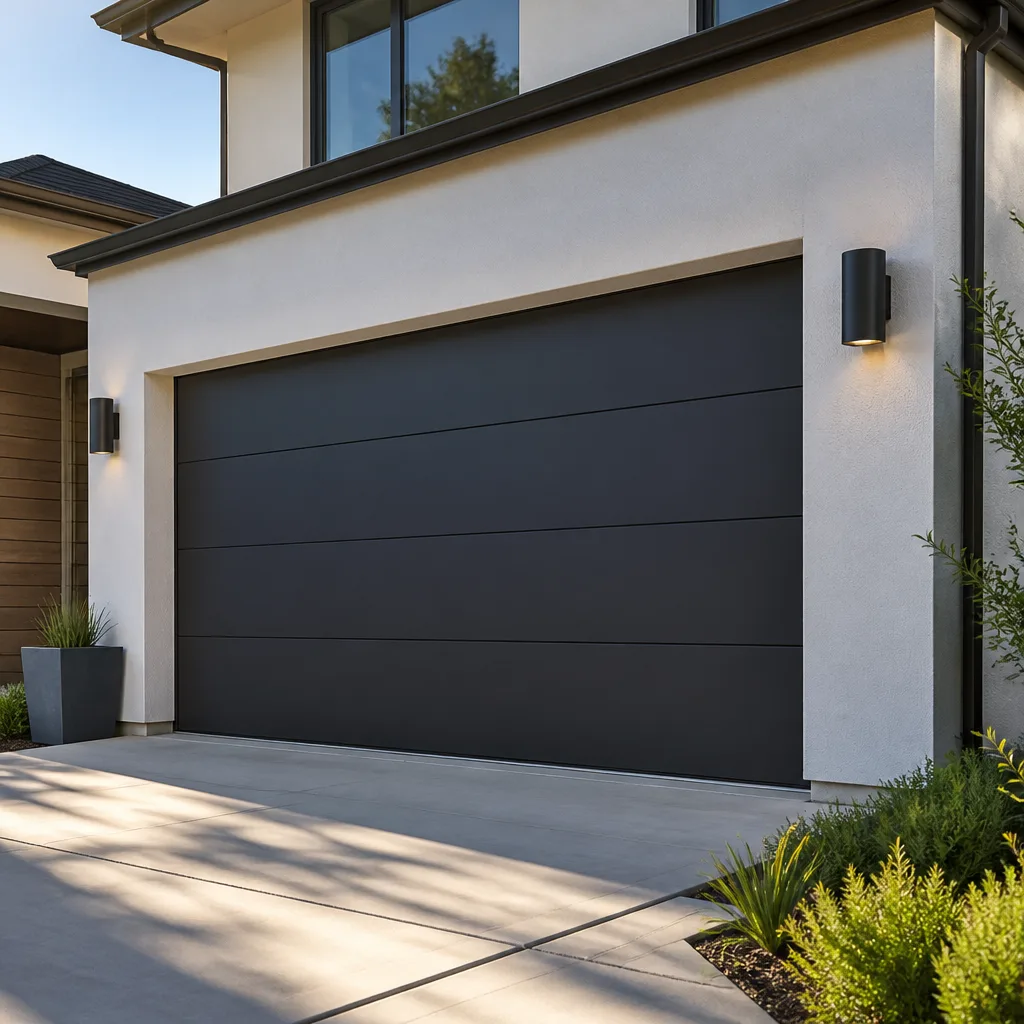 Modern flush
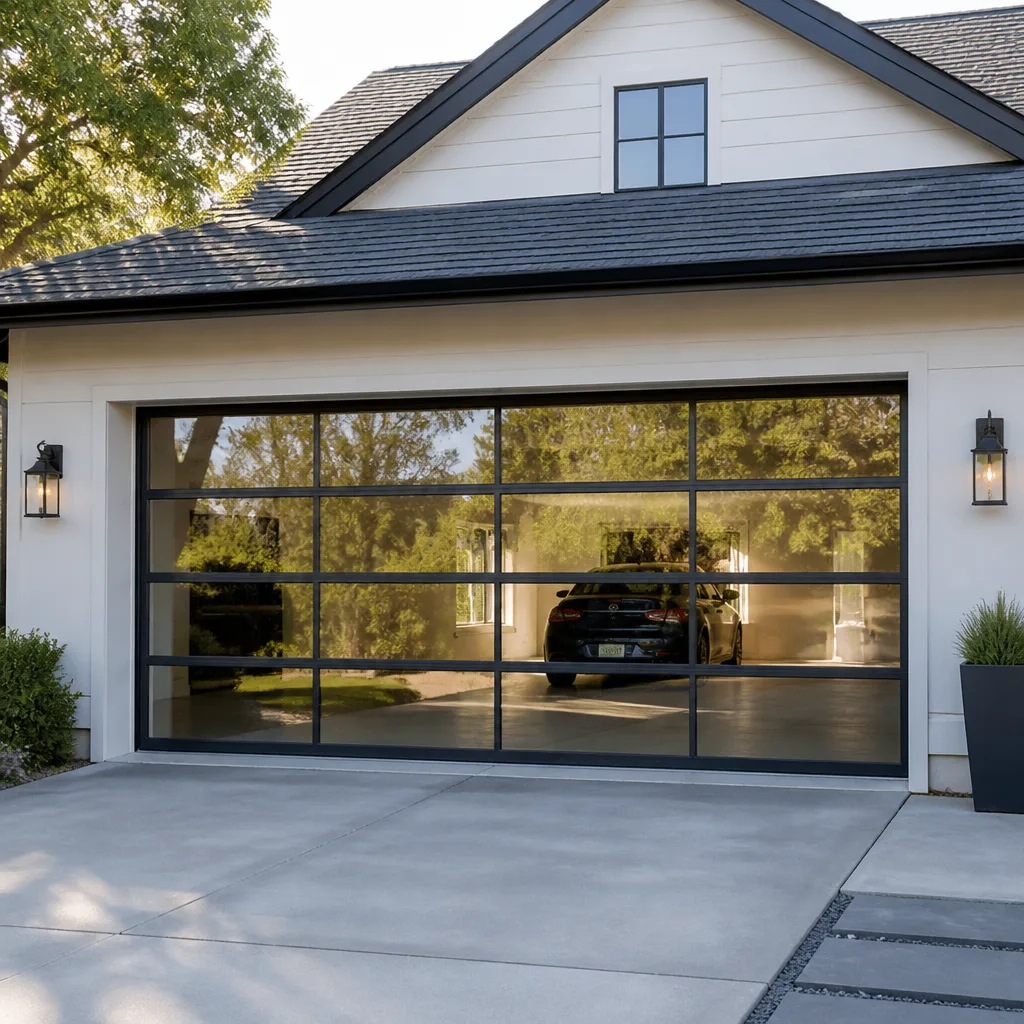 Full-view glass
 LiftMaster openers
 Chamberlain openers
Full 25-point door and opener safety check with every visit - springs, cables, rollers, tracks, and your LiftMaster or Chamberlain opener included
You get a price before we start. It does not change when the pro arrives.
Get your free estimateGarage Door Warning Signs: A Tallyn’s Reach Homeowner’s Reference Guide
A garage door doesn’t snap, slam, or stop working without warning. It gives you two to six weeks of signals first – sounds, small hesitations, a door that sits a little crooked – and most homeowners correctly identify those signals as “weird” and then ignore them until the problem gets expensive. That gap between noticing and acting is where budget-friendly repairs turn into full replacements. This guide is written for Tallyn’s Reach homeowners who want to close that gap: a symptom-to-cause index you can check in an afternoon, organized by what you actually notice first. No tools required for most of it.
Quick Answer
The most common garage door warning signs are unusual noises (grinding, snapping, popping), a door that moves in jerks or hesitates, visible gaps or crooked alignment, an opener that reverses for no reason, and frayed or hanging cables. In cold weather, a door that reverses on its own usually points to a failing spring balance or a tired opener motor rather than a sensor problem. Any frayed or broken cable or a snapped spring means stop using the door and call a technician.
Styles & brands we work with
- Raised-panel steel
- Carriage house
- Modern flush
- Full-view glass
- LiftMaster openers
- Chamberlain openers
Table of Contents
- The Symptom-to-Cause Index: Start Here
- What the Sounds Are Telling You
- Jerky Door: Track, Roller, or Spring Balance?
- Why Your Opener Reverses for No Reason in Cold Weather
- The 30-Second Cable Check Most Homeowners Never Do
- How to Tell If Your Door Is Out of Balance (No Tools)
- Alignment, Gaps, and What They Mean
- The Warning-Sign Timeline: When to Act
The Symptom-to-Cause Index: Start Here
Most garage door guides organize problems by part. That’s backwards for a homeowner. You don’t know which part is failing – you know the door is making a noise it didn’t make last month. So start with what you notice.
If you hear it first: grinding points toward rollers or the opener gear; a snapping bang points toward a torsion spring or cable; rattling points toward loose hardware.
If you see it first: a crooked door in the opening usually means a spring balance problem or a track that has shifted; visible light gaps mean alignment or seal wear; a hanging cable at the side means imminent failure.
If the opener acts first: a door that reverses, stops halfway, or doesn’t respond to the remote points toward sensors, a failing motor, or a door heavier than the opener can lift.
Here’s the index as a checklist you can walk with:
- Noise change – narrow it to rollers, opener, or spring (see the sounds section).
- Speed change – the door slows, hesitates, or jerks. Usually balance or a roller seized in its track.
- Alignment change – gaps at the sides, door not square in the opening. Usually track or spring.
- Remote or wall-button behavior – resistance, reversing, dead zones. Usually opener, sensor, or motor strain.
- Visible damage – frayed cable, stretched spring, bent track, cracked panel. Stop using the door.
In our experience across Tallyn’s Reach, most door failures that look sudden have been building for weeks on one of these five tracks. Catching them at stage one or two is what keeps a repair small. If your door has already moved past checking and into Garage Door Repair Tallyn’s Reach territory, the index still helps: tell the technician which symptom you noticed first.
What the Sounds Are Telling You
Garage doors have a normal sound: a low, steady hum from the opener and the soft roll of wheels in tracks. Anything sharp, grinding, or rhythmic is new information. The tricky part is that the same noise can come from three different parts, and the fix changes depending on which one.
Grinding
A gritty, metal-on-metal grind almost always comes from one of two places. Either the rollers have worn and are dragging inside the track, or the opener’s drive gear is wearing down. If the grind follows the door as it travels, start with the rollers. If it comes from the motor housing itself while the door sits still, it’s the opener.
Snapping or a Loud Bang
A sharp snap followed by the door refusing to lift is a spring failure. Torsion springs store enough energy to be genuinely dangerous, so a snapped spring means stop using the door and keep people clear – this is not a check-it-yourself situation. On a LiftMaster or Chamberlain opener, the motor will usually run for a second and then shut off because the door won’t rise. A loose cable can produce a similar bang; check for a hanging cable before assuming.
Rattling or Clunking
Loose hinges, worn bolts, and hardware that has worked itself free cause rattling that gets louder over weeks. This is the cheapest of the noise categories to fix and the easiest to let slide until a hinge drops a roller.
Popping at the Tracks
A rhythmic pop as the door passes the same point on the track means the track has been pushed out of line or a roller edge is catching a joint. If it happens at the same height every time, it’s positional – track or roller. If it happens randomly, it’s often balance.
For Tallyn’s Reach specifically, the temperature swings between summer and winter are hard on metal and lubricant. A door that is quiet in July can start to grind by December as roller grease stiffens and hardware contracts. That’s normal; ignoring it for two seasons isn’t.
Jerky Door: Track, Roller, or Spring Balance?
Here’s the point most homeowners miss: a jerky door is one symptom with three different causes, and the fix is completely different for each. Treating it as one problem is how people buy the wrong repair.
Use this to tell them apart without touching anything:
- Track issue: the door jerks at the same spot every cycle, and you can often see dented, bent, or misaligned track where it happens. The jerk is positional.
- Roller issue: the jerk moves around, or the door shimmies sideways as it travels. Worn rollers wobble in the track and don’t hold a line.
- Spring balance issue: the door feels heavy or drops fast as it rises, the jerk follows the door rather than a spot in the track, and the opener strains to lift it.
The track and roller fixes are usually the simpler, cheaper repairs. A balance problem is the one that quietly damages the opener while you wait. A door that’s out of balance makes the motor work harder every single cycle, and the motor pays for it gradually in heat buildup and gear wear rather than failing dramatically. That’s why an unbalanced door can destroy a working opener over six months without the door itself ever looking obviously broken.
If your Tallyn’s Reach door jerks in the same place every time, look at the track. If it shudders and wobbles, look at the rollers. If it strains and feels heavy, it’s balance – and that’s the one to get looked at sooner. We service LiftMaster, Chamberlain, Genie, and legacy systems alongside the door itself, so the balance and the opener that’s been carrying it get checked together.
Why Your Opener Reverses for No Reason in Cold Weather
Most homeowners assume the safety sensors are dirty or misaligned, but when an opener reverses in cold weather, the sensor is usually not the cause. Sensors are the standard explanation because they’re the visible part – two little eyes at the bottom of the track. The real cause is more often mechanical.
Cold does two things to a garage door. It stiffens roller grease and it contracts metal, which changes how much resistance the door presents to the opener. When the door meets more resistance than the motor expects, a modern opener reads that as an obstruction and reverses to be safe. That’s the opener doing its job correctly; the door is what’s wrong.
The most likely culprits, in order:
- A failing spring balance – the door is heavy, the motor strains, and it reverses near the end of travel.
- A tired opener motor – the lift force has dropped with wear, so it can’t overcome the cold-weather load.
- Rollers that have stiffened – resistance climbs enough that the door binds in the track.
- Force settings – the safety reversal force was adjusted at some point and is now mismatched.
Clean and check the sensors anyway – it costs nothing and rules out the obvious. But if the reversing happens only in cold, and more at the top of travel than at the bottom, point the diagnosis at balance and motor, not the sensors. If the opener itself has been misbehaving, garage door opener repair is the right starting point before a motor replacement gets suggested.
The 30-Second Cable Check Most Homeowners Never Do
Most homeowners have never looked at their garage door cables. That’s the problem – fraying cables give clear, visible warning for weeks before they fail, and the check takes half a minute.
Open the door partway, then step back and look at the vertical cables running down each side between the door and the track. This is a look-only check; never tug, touch, or try to adjust a cable, and never try to re-seat a cable that has come off a drum.
What healthy cables look like: smooth, tight, and evenly wound around the drum. Both sides match.
What failing cables look like:
- Frayed strands or a “birdcage” of wires unwinding near the drum.
- A cable that hangs loose at rest – a taut cable slackens when it’s about to go.
- Uneven winding between the two sides.
- Rust or kinks along the length.
Any of these, and stop using the door until it’s looked at. A cable failure is a genuine safety hazard and can send the door dropping or off its tracks. The good news is that a cable showing warn signs is exactly the kind of thing that gets caught before failure if you make the 30-second check part of your monthly look. In Tallyn’s Reach, the dry air and temperature cycling are easy on cables compared to wet climates, but they aren’t zero-risk – the check takes less time than scrolling a feed.
We treat spring and cable failures as urgent because they are. Our technicians have up to 8 years of experience, and our parts supply means a failed cable is usually a same-visit repair rather than a return trip for a part.
How to Tell If Your Door Is Out of Balance (No Tools)
You don’t need any tools to check whether your garage door is balanced, and it’s the single most useful check on this whole list. An unbalanced door is the silent killer of openers – not dramatic, just a slow drain on the motor. Here’s how, safely.
- Close the door fully. The door will be resting on the ground, so there is no stored load sitting above you.
- Use the wall button to see it travel once. Watch whether it lifts evenly or struggles, and whether one side appears heavier than the other.
- Look for the tell-tale signs: slow start, a labored hum, the door rising unevenly, or the opener shutting off partway. That’s your signal.
What you are looking for is the door’s own balance, not the opener’s strength. If the opener has to pull hard to lift the door from the ground, the springs are not carrying their share of the weight. The door should lift with a light, even push once it’s off the ground. If it doesn’t, the spring balance is off.
What NOT to do: don’t try to lift the door by hand while it’s partway up, don’t disconnect the opener to test it, and don’t try to tighten or adjust springs or cables yourself. Garage door springs are under high tension and adjusting the wrong one is genuinely dangerous. The balance check is a look-and-listen test, not a hands-on one.
Why the check matters: an unbalanced door makes the opener do work the springs are supposed to do, on every single cycle. Over roughly six months, that shows up as a strained motor, a worn gear, or an opener that reverses and shuts off when the weather gets cold. If you catch it early, the fix is a spring balance job. If you catch it late, it’s a spring job plus an opener. In our experience, that gap is where most “my opener needs replacing” calls come from. Call (888) 847-8567 for a free estimate if the balance check doesn’t look right.
Alignment, Gaps, and What They Mean
When a garage door looks “off,” the eye notices it before any part fails. A crooked door, a gap at one side, or a door that doesn’t sit flush in the opening is a symptom worth reading carefully, because the cause changes what you should do.
Gap at one side only, door crooked: typically a spring balance or track problem. One side is carrying more load than the other, or the track has shifted. Check the cables, then stop and get it looked at – a crooked door strains the opener and grinds the track.
Even gap along the bottom: usually a worn bottom seal or a door that’s settled. A new seal is a small, quick fix. A door that’s settled may need track adjustment.
Visible daylight around the edges: seal wear in most cases. If the door is older and the gap is at the top, check whether the door is fully closing.
Door not square in the opening at one corner: the track has likely been pushed. Look for a bend or dent in the track near the corner.
Tallyn’s Reach homes built in recent decades and the older construction mixed through the neighborhood both show the same alignment issues, and both share one more: a door that sits in a garage exposed to seasonal temperature swings, which is why we recommend an alignment look twice a year. In the cold months, contracted metal can make a door that was fine in summer appear to sit slightly proud in its tracks. That’s usually not serious; a door that sits crooked every time is.
If your alignment problem has progressed to a door that’s come out of its tracks, that’s a repair call – the door should be left in place and not forced back in. garage door repair covers track and alignment work, and we check the springs while we’re there, because alignment and balance are usually the same story.
The Warning-Sign Timeline: When to Act
The reason this matters is that door failures aren’t instant – they follow a timeline, and where you catch the warning signs decides how much the repair costs. Here’s the timeline as we see it, and what to do at each step.
Stage 1: The Door Is “Weird” (Weeks 1-2)
New noise, slight slowdown, a rattle, one hesitation. This is the cheapest window. A roller replacement or a quick lube is usually all it needs. Most homeowners are here and don’t know it.
Stage 2: The Symptom Is Consistent (Weeks 2-4)
The grind happens every cycle, the door jerks in the same spot, the reverse happens every cold morning. The cause is now narrowing and a repair is overdue but still small.
Stage 3: The Door Is Affecting the Opener (Weeks 4-8)
The opener strains, overheats, or reverses. Balance or track problems are now putting visible load on the motor. This is where “my opener is going” gets diagnosed, and often the opener was fine – the door was the problem.
Stage 4: Something Fails (Weeks 6+ unchecked)
A spring snaps, a cable lets go, the door comes off track. Now it’s an urgent repair, and the door is out of service until it’s fixed.
There’s no exact date on any of these – a door can sit at stage one for a season if it’s lightly used. But the direction is always the same. Catching it at stage one costs the least; the point of this reference is to make stage one obvious. If you’re anywhere past stage two in Tallyn’s Reach, call (888) 847-8567 for a free estimate rather than waiting to see what happens.
Common Mistakes to Avoid
- Waiting for the door to actually break. The warning signs are the free information. A grind doesn’t fix itself, and the cost of a repair at stage one versus stage four is a different job entirely.
- Assuming the opener is the problem. An opener that reverses or strains is usually reporting a door problem. Replacing the opener without checking the springs and track just puts a new motor on the same load.
- Going straight to “replace the door.” Most of what’s on this list is a repair, not a replacement. We repair before we replace, and when replacement is right, we install that too – but most warning signs here don’t call for a new door.
- Trying to adjust a spring or cable yourself. These are under tension that can hurt you. The look-only and listen-only checks in this guide are the safe boundary; the adjustment is a technician’s job.
- Assuming a cold-weather reverse is the sensor. In cold, it’s usually balance or motor. Cleaning the sensor is worth doing, but it’s not the answer to a door that only reverses when it’s cold.
- Skipping the seasonal check. In Tallyn’s Reach, the temperature swing between seasons is real, and a door that’s quiet in summer isn’t guaranteed quiet in winter. A 30-second monthly look catches almost all of this.
- Buying parts without confirming the model. On the door or opener, note the brand and model so the right part fits. We support LiftMaster, Chamberlain, Genie, Raynor and others, and the right part is what turns a repair into a single visit.
See the difference
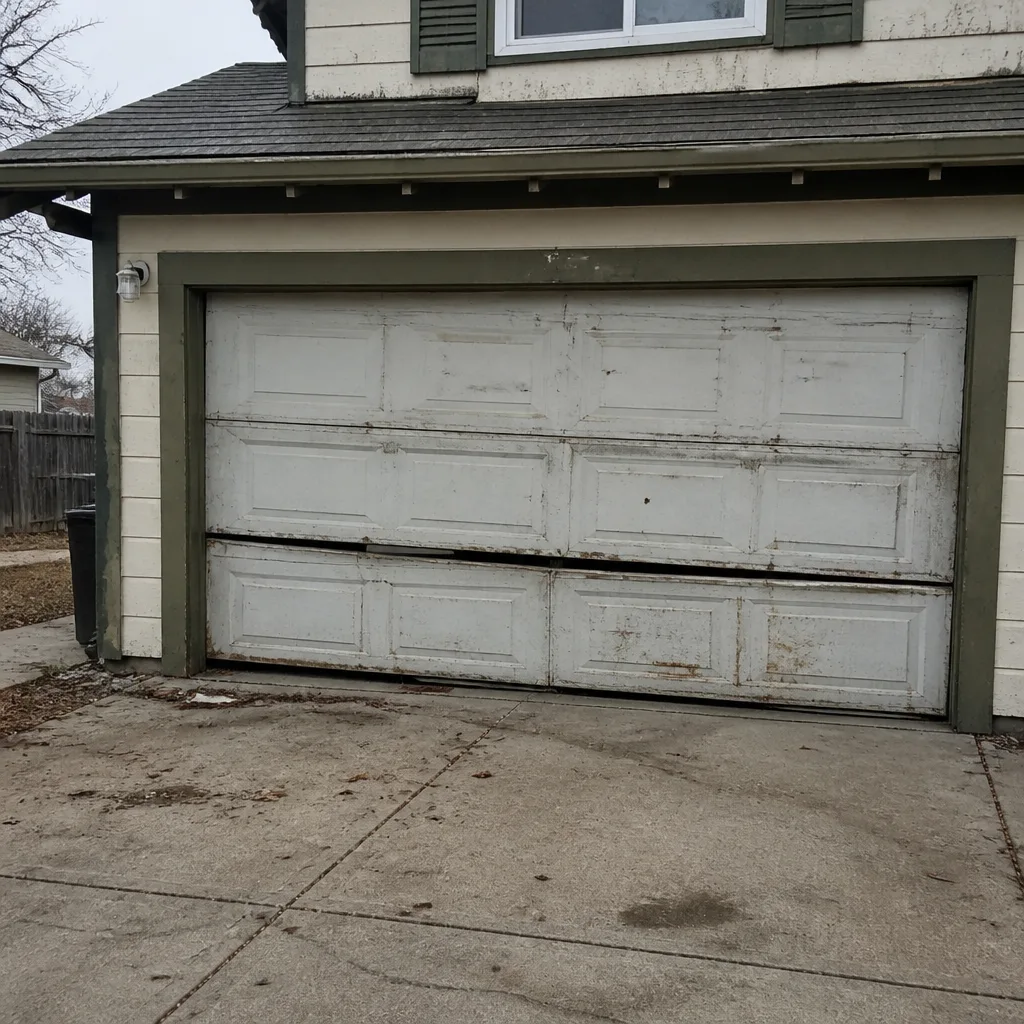 Before
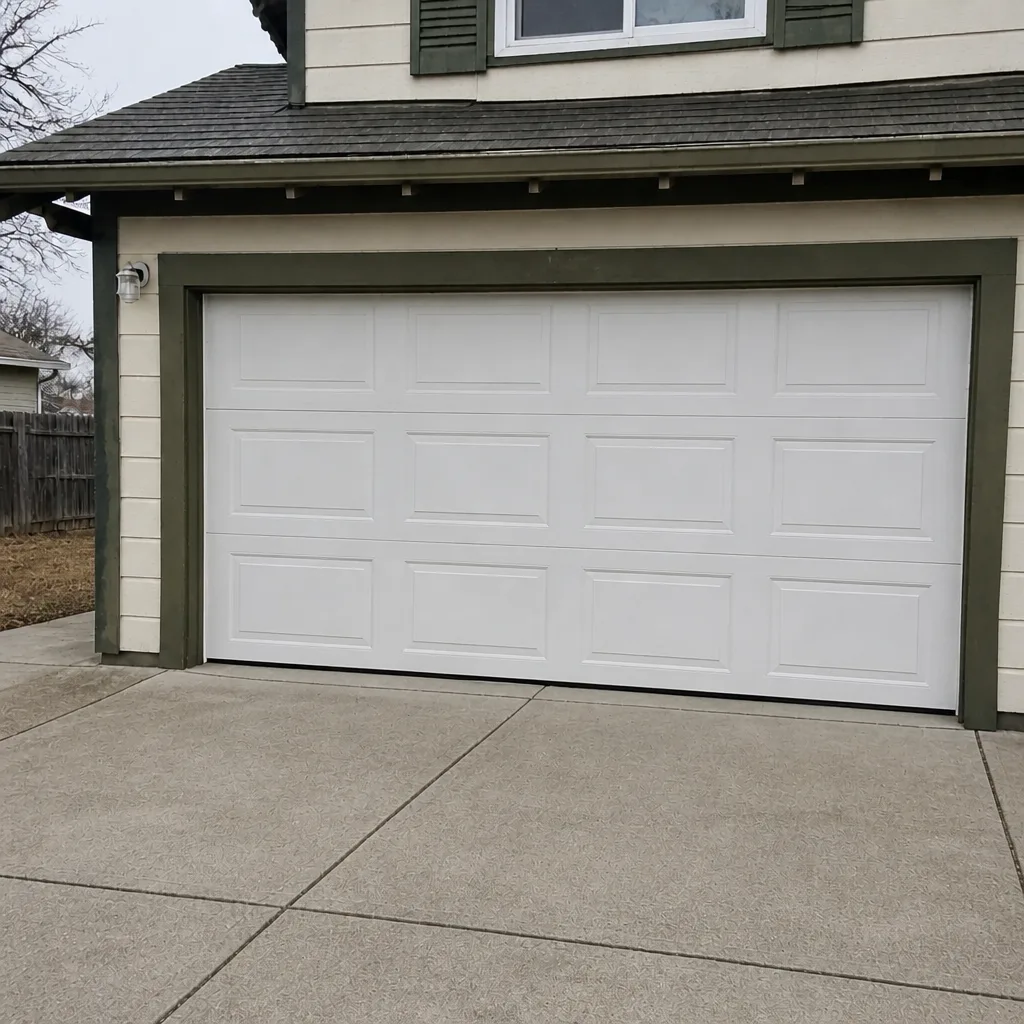 After
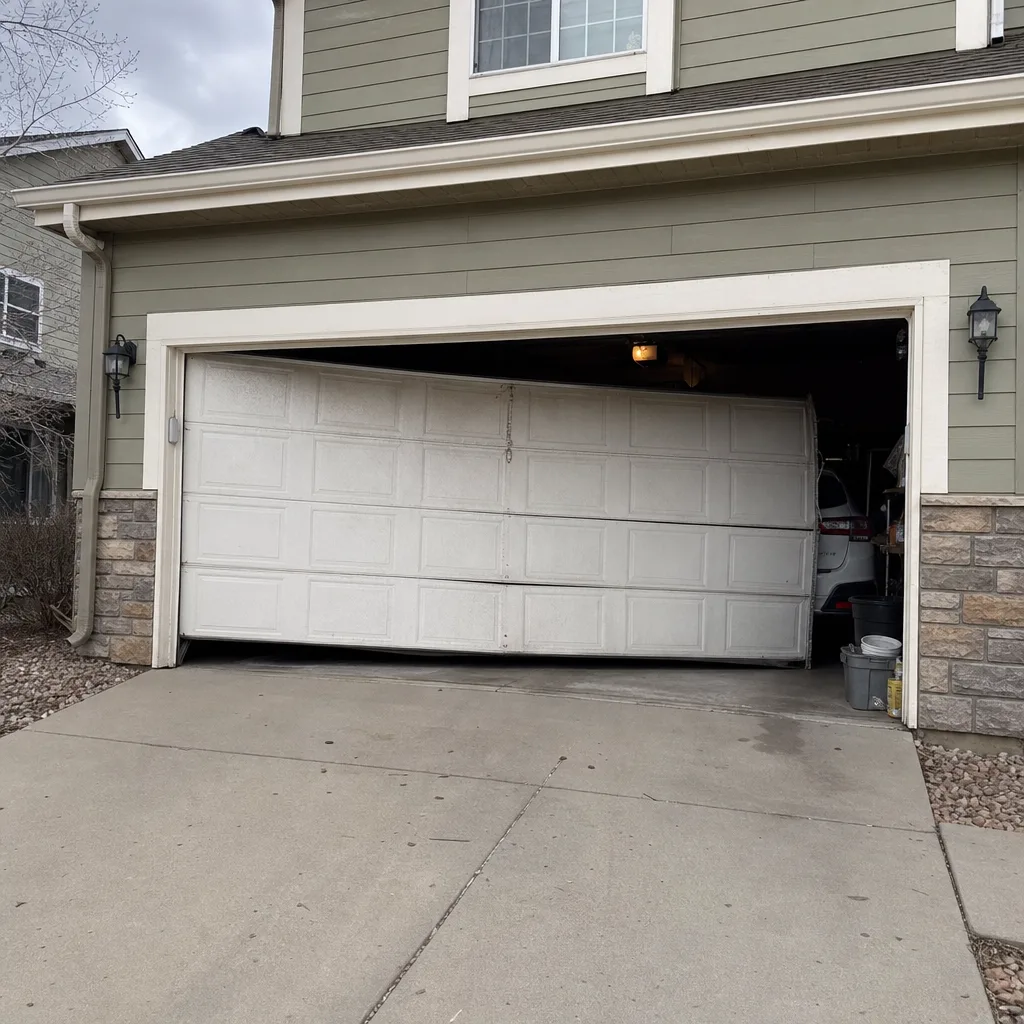 Before
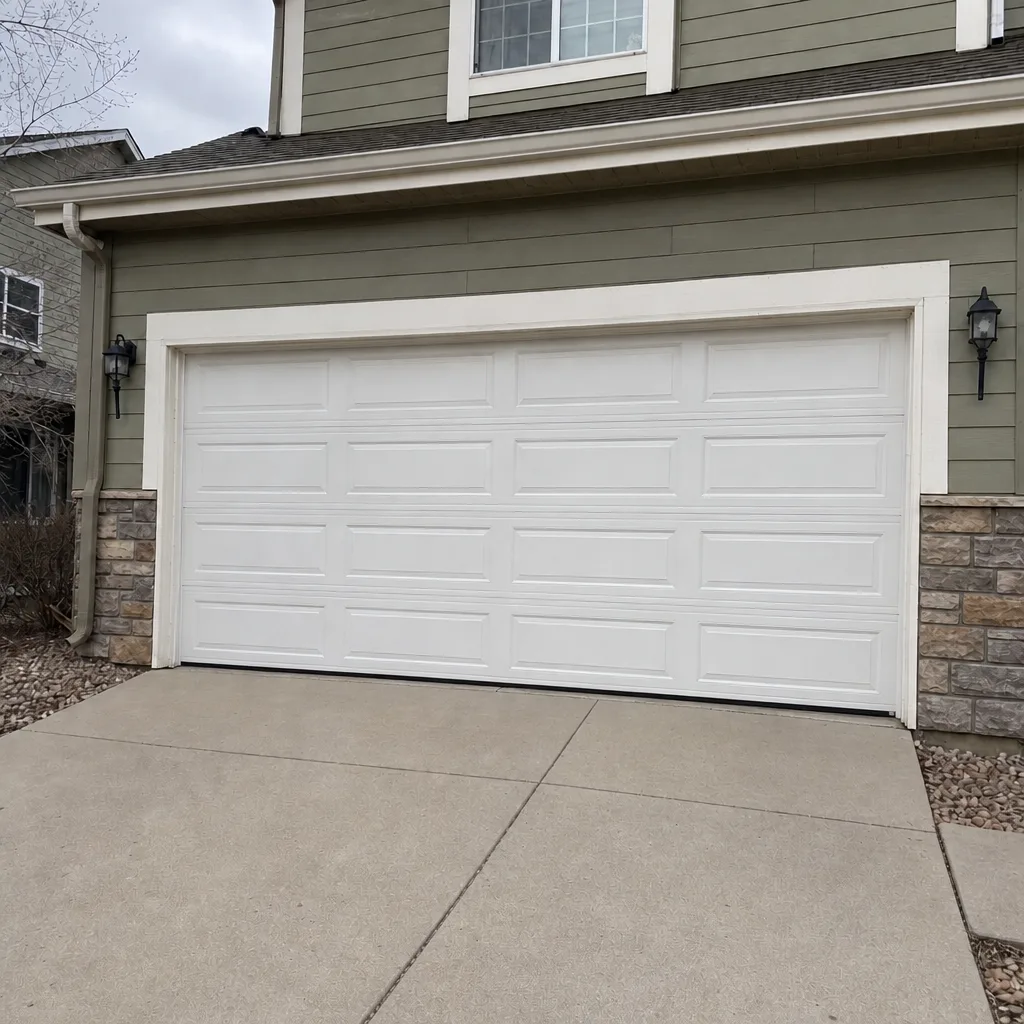 After
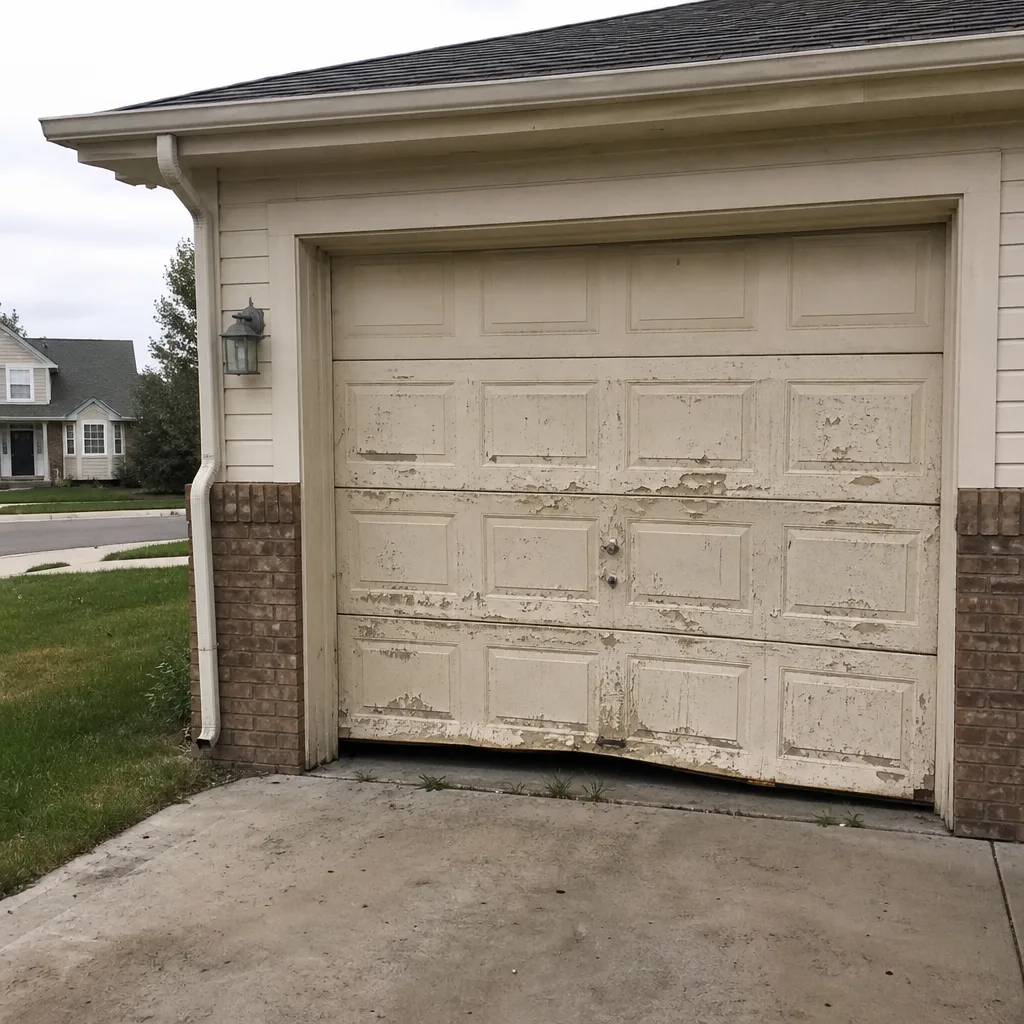 Before
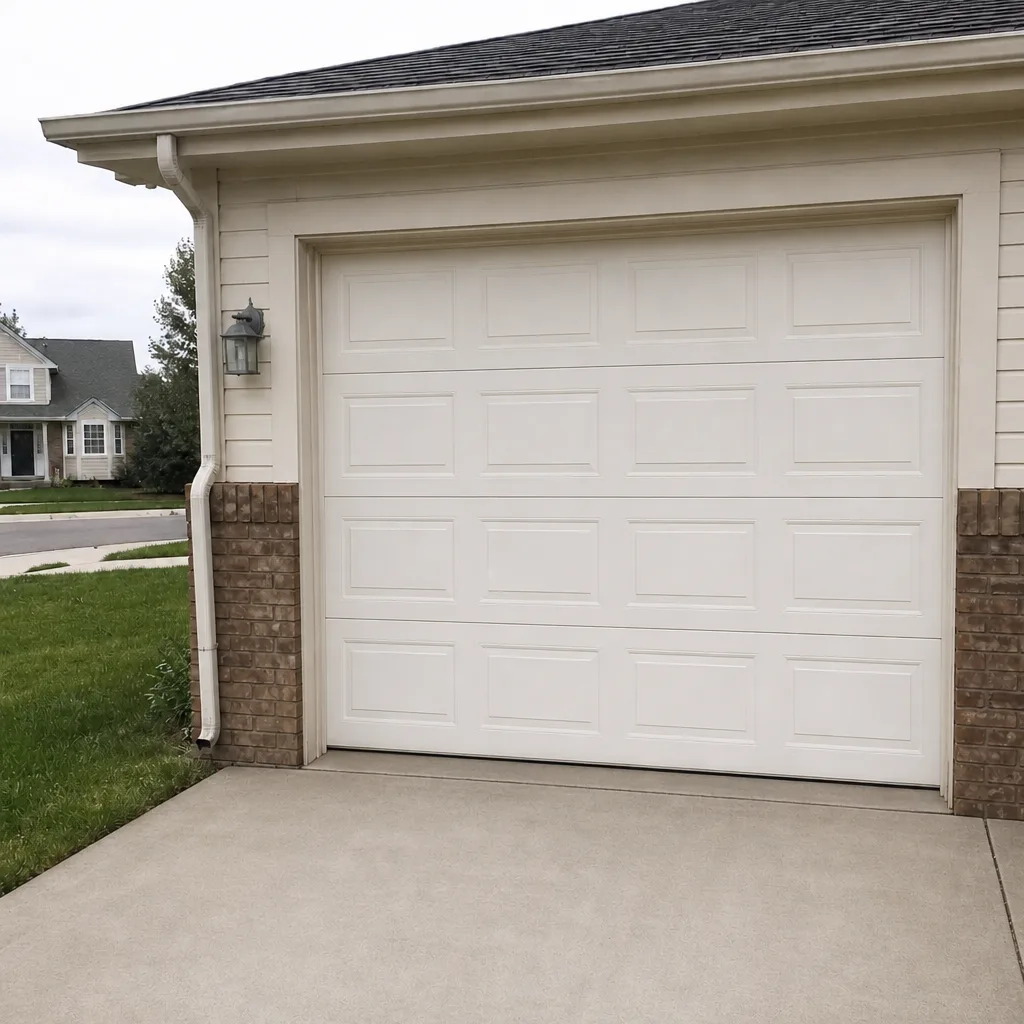 After
When to Call a Professional
Some garage door problems are a check-you-can-do-yourself, and some are a stop-using-it-and-call. Call a professional the moment you see a snapped spring, a frayed or hanging cable, a door that’s come off its tracks, or a door that won’t stay up on its own. These are the urgent category. Call sooner rather than later, too, if an opener has reversed on its own more than once, a door is visibly crooked in the opening, or the balance check showed the door is heavy at the ground. If your door has been making the same noise for a month and you’ve been meaning to get to it, that’s the call now – a small repair today is a much bigger job if a spring or cable lets go.
Garage Door Repair Tallyn’s Reach offers free estimates in Tallyn’s Reach – call (888) 847-8567. We treat spring and cable failures as the urgent category they are, and we repair before we replace. The written estimate is agreed before any work starts.
Frequently Asked Questions
The first warning signs are usually a change in sound (grinding, rattling, or popping) and a door that starts to move unevenly or hesitate. A door that suddenly reverses without obstruction or feels heavy at the ground is also an early sign. If you catch these early, most are simple repairs. Call (888) 847-8567 for an exact quote if you’re unsure – estimates are free.
In cold weather a garage door that reverses on its own usually points to a failing spring balance or a worn opener motor, not a sensor problem. Cold stiffens the rollers and contracts the door’s metal, so the motor meets more resistance and reverses to avoid obstruction. Check the sensors anyway to rule them out.
A jerky door can usually be diagnosed without tools, but the repair depends on the cause. A track issue and a worn roller are sometimes a technician job; a spring balance issue is always a technician job. Don’t try to adjust springs or cables yourself – they’re under tension and can hurt you.
A balanced door lifts with a light, even push once it’s off the ground. If the opener has to strain to lift it or it rises unevenly, the door is out of balance. You can check this without tools by watching the door lift from fully closed and listening for labored hum. If it doesn’t look right, call for a free estimate.
Most routine garage door repairs in Tallyn’s Reach fall within a few hundred dollars depending on the part and the cause. The written estimate sets the final price, and we agree it with you before any work starts. Call (888) 847-8567 for an exact quote – estimates are free.
The local professionals we connect you with are licensed and insured as their state requires, and our technicians have up to 8 years of experience. We support LiftMaster, Chamberlain, Genie, Raynor, and legacy systems, so the right part and the right fix are in scope. Call (888) 847-8567 to talk through your door.
The Bottom Line
Garage door warning signs aren’t subtle – they’re just easy to rationalize. The door that grinds softly for a month, the one that jerks in the same spot, the opener that reverses on cold mornings: each of those is the door telling you what’s wrong before it fails. The most useful 30 seconds you can spend on your door is the look-only cable check and the balance test. If the door is quiet, even, and lifts with a light push, you’re fine. If any of those checks are off, that’s your call. In Tallyn’s Reach, we’ve watched enough small problems get ignored into big ones to know that catching them early is the whole game. Repair first, replace only when replacement is the right call.
Call (888) 847-8567 for a free estimate. We cover garage door installation and repair, sell parts directly, and can be on a spring or cable failure as the urgent job it is. The written price is agreed before work starts.
Written by the team at Garage Door Repair Tallyn’s Reach.